
Hamburg, Germany, April 14, 2026, 17:06 CEST
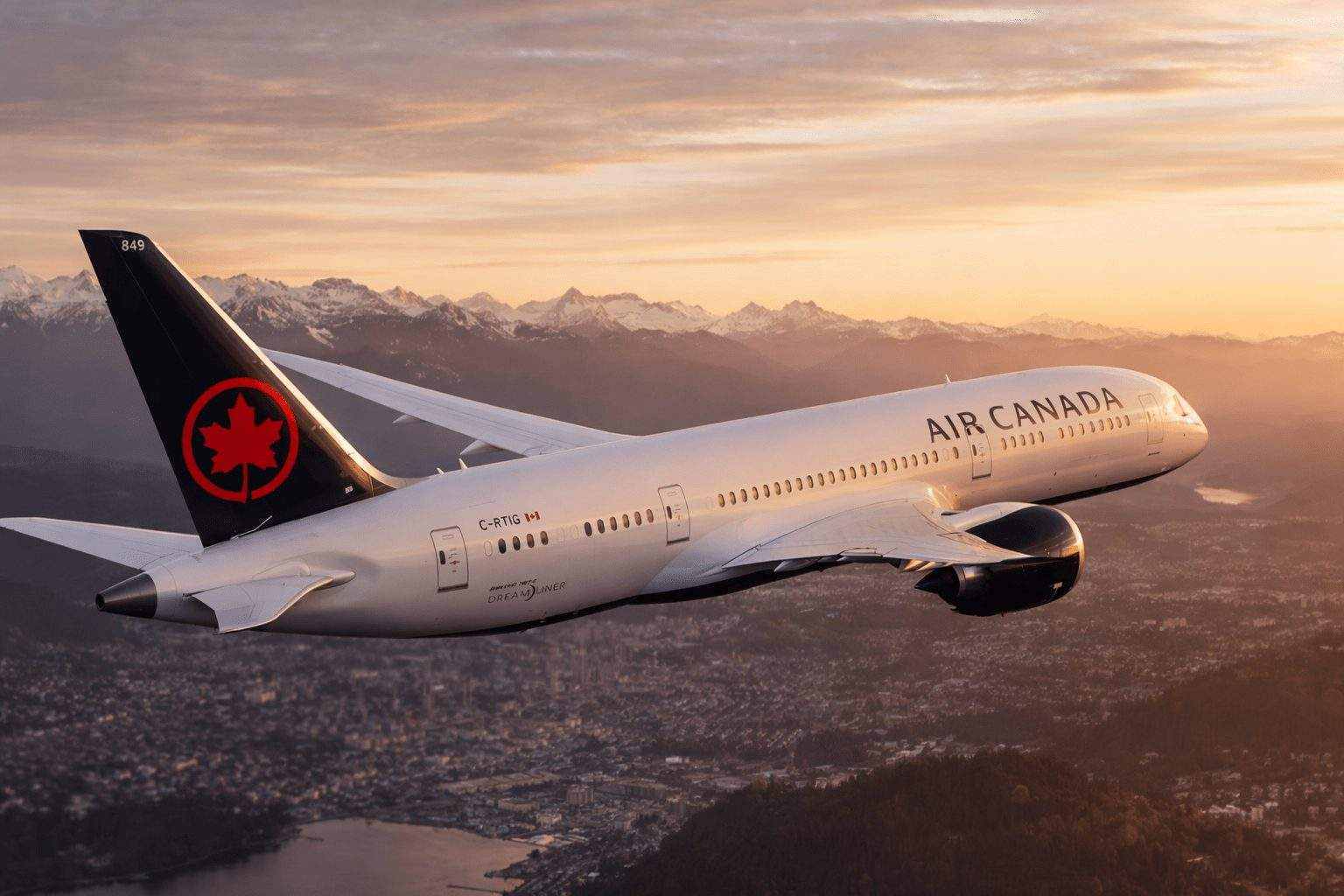
On Tuesday, Air Canada rolled out its next-generation cabins for the soon-to-arrive Airbus A321XLR and Boeing 787-10 jets, emphasizing more premium seating. The single-aisle A321XLR will feature Collins Aerospace Aurora lie-flat suites, while the 787-10 gets a fresh Signature Plus section with just four seats. The announcement was made at the Aircraft Interiors Expo in Hamburg.
Timing’s key here. The A321XLR—Airbus’s extra-long-range single-aisle—anchors Air Canada’s push to open new long-haul routes that don’t fill a widebody, while boosting its premium product across the country. These cabins mark the first big debut for the airline’s “Glowing Hearted” design shift, and Air Canada is already connecting the XLR with fresh Atlantic service as it targets higher-end international travelers. Air Canada
Air Canada’s A321XLR will feature 14 lie-flat suites up front in business class, with 168 seats in economy behind. Collins Aerospace’s Cynthia Muklevicz, vice president of global airlines and lessors, called the Aurora design “a widebody business class experience” brought to a single-aisle jet. For Air Canada, this marks the first time a single-aisle in its lineup gets lie-flat seats.
The 787-10 is configured for 332 travelers: 42 in business class, 28 in premium economy, and 262 in economy. Up front, four Signature Plus suites offer 2-metre beds, guest seating, quartzite tables, and 27-inch screens. In the center section, two of these suites can be combined, creating a space that accommodates up to four passengers together while cruising.
The airline is rolling out sharper 4K OLED seatback displays, Bluetooth audio, and both USB-C and AC power outlets at every seat on both jets. On the 787-10, premium economy passengers will notice larger privacy wings. Canadian touches run throughout: wood-grain finishes, bronze highlights, red stitching, a glowing maple-leaf canopy for the A321XLR, and on the 787-10, a water-themed entry monument.
“Details matter,” Air Canada chief operations officer Mark Nasr said, noting the carrier will roll out a separate onboard service revamp later this year, focused on food, drinks, and amenities. John Moody, who heads onboard product, described the goal as making “a space that feels exceptionally inviting and highly personal.” View from the Wing
North American airlines are pouring money into high-end cabins. American, for instance, plans to outfit its A321XLRs and 787-9s with Flagship Suites featuring privacy doors. United is introducing roomier Polaris Studio suites on its new 787-9s, betting on continued premium demand. Delta, for its part, revealed this week that next-gen Delta One suites will show up on its A350-1000s and A330-200/300s.
Speaking with View from the Wing, Nasr said Air Canada opted against doors on its A321XLR suites—a contrast to competitors—citing the need for a longer bed and a wider aisle in the aircraft’s narrower single-aisle setup. He added the airline expects its first A321XLR to arrive in just over a week, targeting late May for entry into service, starting with domestic transcon routes. As for premium economy, the carrier won’t offer it on this jet, saying the economics don’t add up for the route mix they’re targeting.
Air Canada plans to put the A321XLR to work on transatlantic routes out of Montreal and Toronto, and will also deploy it on some longer North American flights. Alongside the two incoming models, the carrier’s overhauling its Airbus A320s and A321s as they join mainline. Boeing 737 MAX jets are headed to Rouge, while regional planes operated by Jazz are getting cabin upgrades.
Still, execution risk remains. Nasr called it “too soon to say” if certification for the 787-10 suite doors will happen before entry into service. Air Canada flagged possible disruptions from supplier bottlenecks, tariffs, geopolitical shocks, labor expenses, and shifting travel demand, all of which could impact its outlook. View from the Wing
Related articles: NYSE:BA