
SEATTLE, May 6, 2026, 15:05 PDT
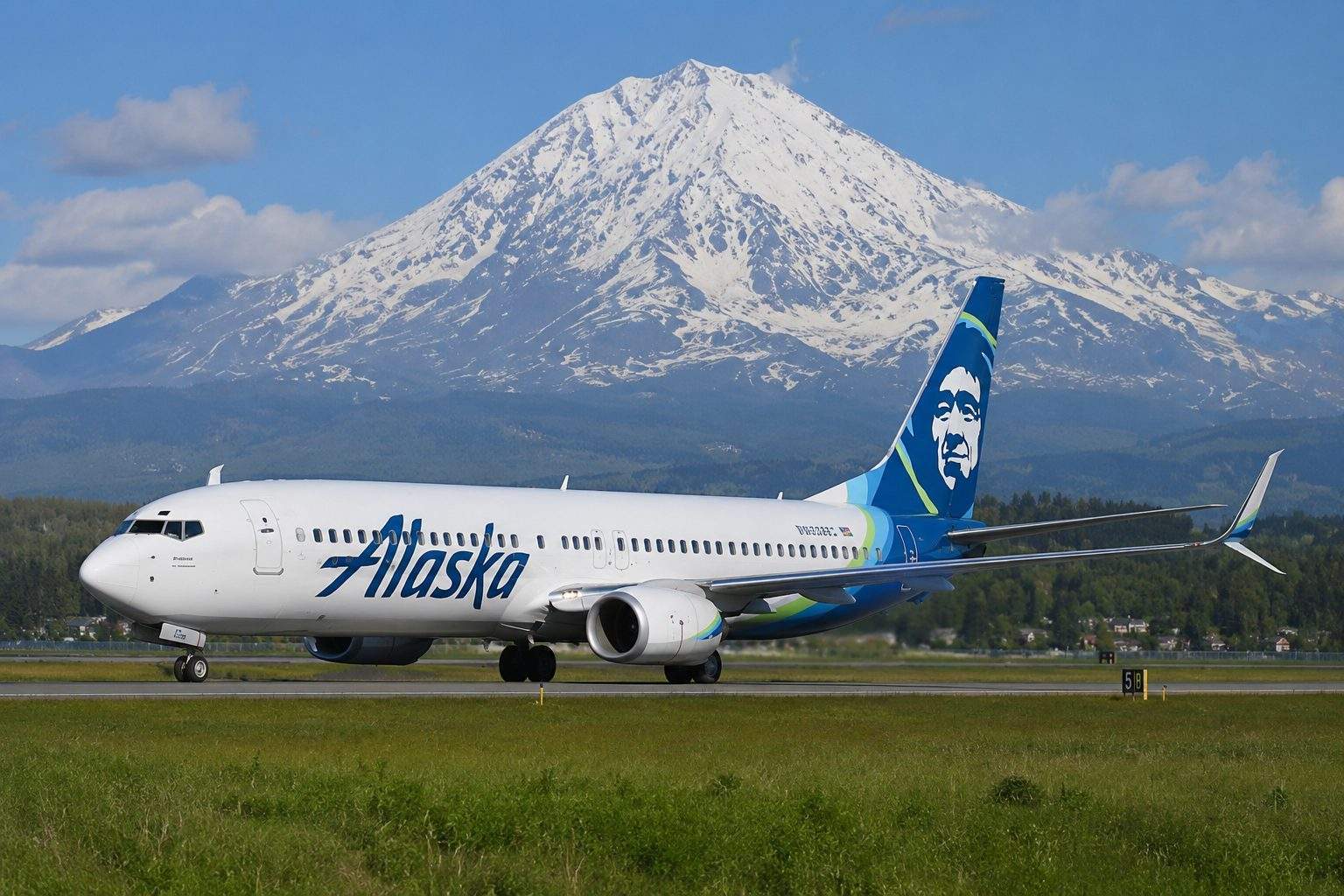
- Alaska Air is out with a $500 million senior notes offering, maturing in 2031.
- Jet fuel prices linked to the Iran war are pressuring airline margins, prompting the move.
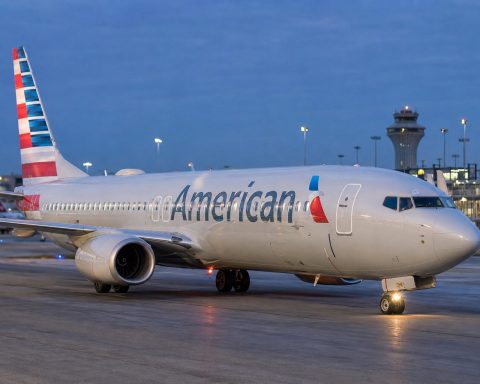
- American Airlines and JetBlue have dipped into debt markets too, as both carriers wrestle with steeper fuel costs.
Alaska Air Group is tapping private debt markets for $500 million, announcing the offering Wednesday as surging jet fuel costs tied to the war hit airline profitability. The company intends to sell five-year senior notes maturing in 2031.
It’s all about the clock right now. U.S. airlines are feeling the pinch from spiking fuel bills, as fallout from the Iran conflict and snarls in the Strait of Hormuz have ratcheted up oil and jet fuel prices. The carriers don’t have much leeway to offset those higher costs in the near-term.
Alaska faces greater risk compared with some competitors, since its West Coast base means limited pipeline and refining infrastructure often leaves it relying more on imported fuel. Jet fuel prices have almost doubled since the U.S.-Israeli strikes on Iran on Feb. 28, Reuters reported.
Alaska Airlines Inc. is set to issue the notes, which come with a full and unconditional guarantee from its parent, Alaska Air Group, on a senior unsecured basis. Senior notes give holders priority over some other creditors if problems arise, but since they’re unsecured, there’s no specific collateral behind them.
According to the filing, Alaska plans to put the net proceeds—after fees and expenses—toward general corporate purposes. No details on a targeted refinancing, fleet buy, or particular operating need were disclosed.
The company plans to sell the debt privately to qualified institutional buyers through Rule 144A, a U.S. exemption for big investors, and to non-U.S. buyers under Regulation S. These securities aren’t going to be registered under the Securities Act or with any state, the company noted.
The new financing comes on the heels of a tougher earnings patch. Just last month, Alaska pulled its full-year profit outlook and warned that second-quarter fuel costs would climb roughly $600 million. That’s a $3.60 per share impact, as fuel prices jumped higher.
Last month, Chief Executive Benito Minicucci told investors the company was experiencing a “strong demand backdrop,” and fares were sticking. Yet Alaska disclosed that those higher ticket prices offset just about a third of the surge in fuel costs, resulting in a shortfall for the June quarter. Reuters
Alaska is still tweaking its fuel supply mix. Last month, the airline said it aims to eventually boost the portion of fuel it gets from Singapore to somewhere between 30% and 40%, up from the current 20% or so. This push comes even as margins at Singapore refineries surged in the first quarter.
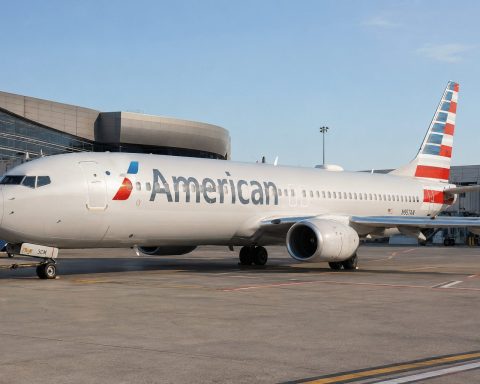
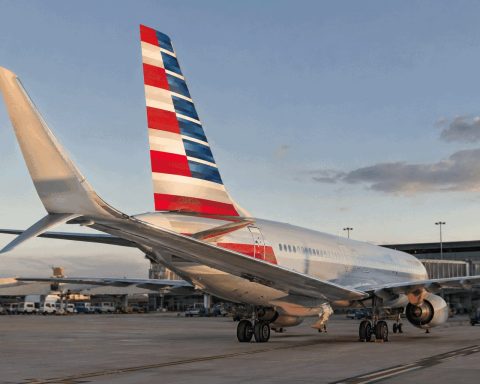
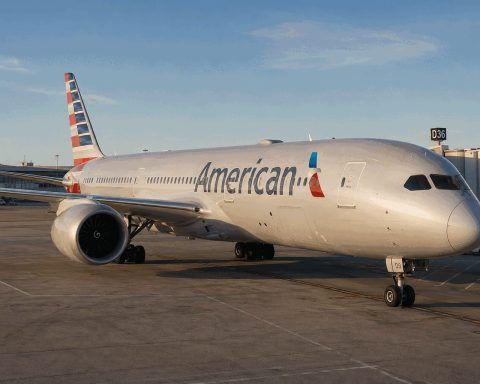
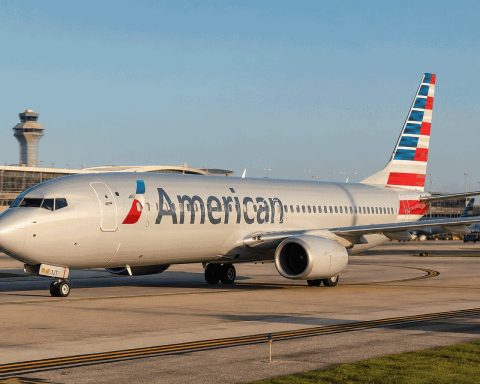
Other carriers aren’t standing still. American Airlines pulled in $1.14 billion, while JetBlue Airways secured $500 million in fresh debt over the past month, both moves aimed at offsetting cost pressures from the Iran war, according to Reuters.
It’s not just Alaska feeling the squeeze. According to the U.S. Transportation Department, major U.S. passenger airlines shelled out a little over $5 billion on jet fuel in March—$1.8 billion more than a month earlier, a jump of 56%. “Every airline is suffering from high fuel prices,” Southwest Airlines CEO Bob Jordan told Reuters last week. Reuters
Alaska was last seen trading at $40.51, up $2 from its last close. Roughly 4.9 million shares had changed hands so far, putting the carrier’s market cap in the neighborhood of $4.76 billion.
If market conditions shift, Alaska’s planned bond sale could miss its mark—or not happen, period. The company flagged fuel and other operating costs, labor, supply chain problems, and the ongoing Hawaiian Holdings integration as possible hits to financials. A quick drop in fuel prices would help, but if fuel stays high, the new debt could squeeze the balance sheet harder.
Related articles: NASDAQ:AAL