
NEW YORK, June 23, 2026, 04:25 (EDT)
- American Airlines shares ended Monday at $16.08, up 0.56%. U.S. markets weren’t open yet at the New York dateline.
- This week, U.S. airlines are seeing the main market move in lower jet-fuel prices, not cheaper fares for travelers.
- American and Delta jets involved in a near miss at Boston, with the incident under investigation. The safety issue surfaces before the open.
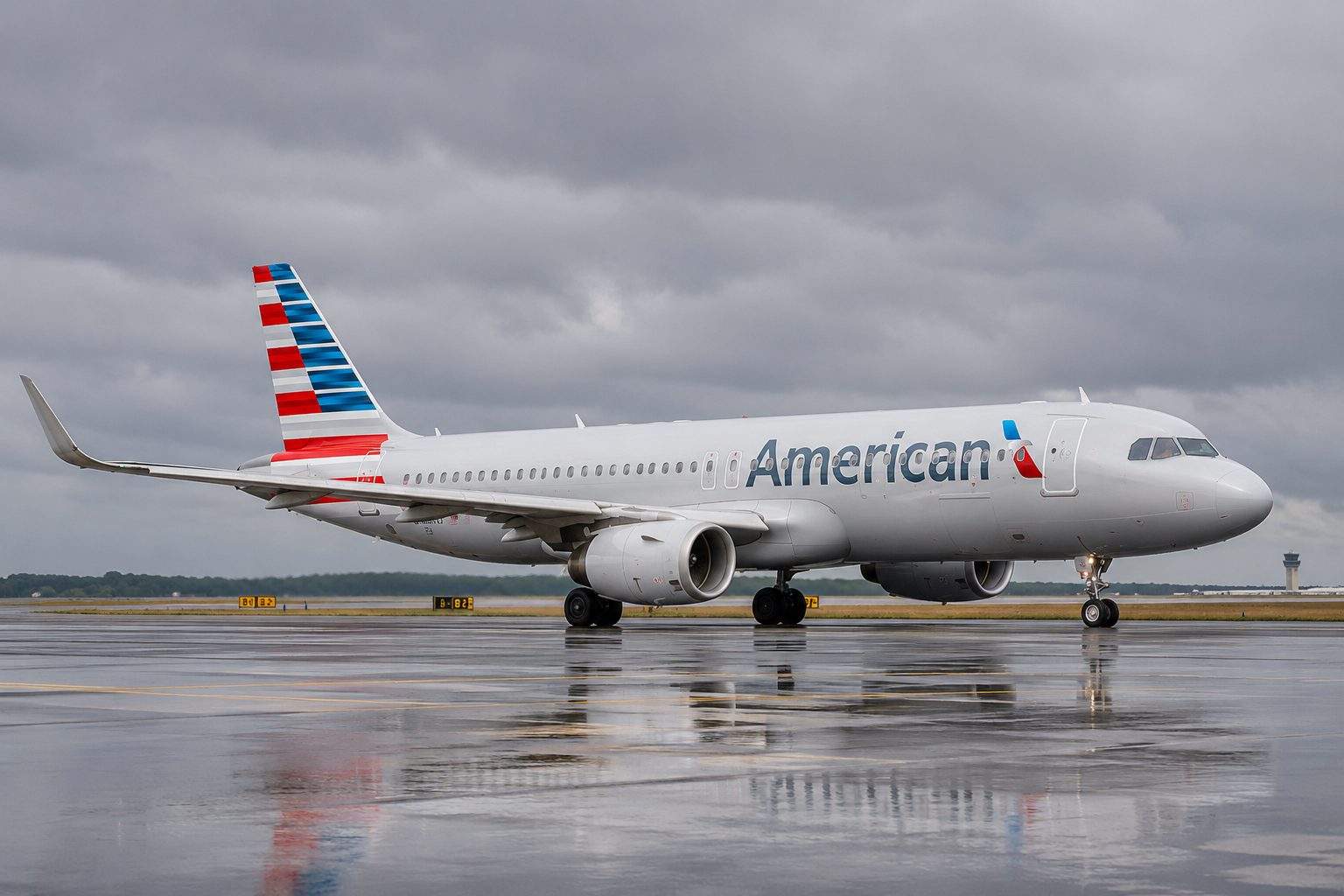
American Airlines Group Inc. traded in Tuesday’s premarket as the company saw jet-fuel prices slump, while a new U.S. safety investigation targeted one of its jets.
The stock ended Monday at $16.08, up 0.56%. Delta finished higher by 2.07%, Southwest climbed 1.25%, and United advanced 0.30%. Nasdaq’s regular session is 9:30 a.m. to 4:00 p.m. ET. Premarket trading runs from 4:00 a.m. to 9:30 a.m. ET, with lighter volume.
Fuel costs, which often rank as a top expense for airlines, have shifted from a headwind to a potential boost for earnings. As of June 17, U.S. jet-fuel spot prices were at $2.85 per gallon, down from $4.88 in early April. According to Reuters, if the lower prices hold, that drop could cut the U.S. airline sector’s annual fuel spending by over $40 billion.
American got a sharp read-through after fuel price jumps led to a profit outlook cut for 2026 in April. BofA lifted its price target for American to $16 from $14 and maintained a Neutral, pointing to strength in airline demand and the stock’s performance heading into Q2 results.
American Airlines hasn’t seen full benefit yet. U.S. airlines raised fares and added fees after fuel costs jumped, but Deutsche Bank said carriers have recovered about 60 cents for each extra dollar spent on fuel. Reuters said Delta, United and American reported second-quarter fuel cost recovery between 40% and 50%. Melius Research’s Conor Cunningham pointed to “ability to hold price” as key, while Dudley Shanley of Goodbody said fare relief still depends on “strength of the consumer.” Reuters
American Airlines posted record Q1 revenue at $13.9 billion. GAAP net loss came in at $382 million. Total debt reached $34.7 billion. The company kept its full-year midpoint near flat with 2025, even with an extra $4 billion in jet fuel costs.
American Airlines CEO Robert Isom said at a Bernstein investor conference last month the company would stick to its outlook, with fuel costs then seen $4 billion to $5 billion higher this year. Isom described demand as “K-shaped,” with higher-income travelers spending more than lower-income, but said second-quarter bookings and corporate travel were still strong. Reuters
The group shows a mixed competitive picture. Delta is seen as the straightforward profit play. United counts on international and premium travel. For American, the positive argument centers on operations: keeping recent fare hikes, adding more premium seats, maintaining business travel, and using cheaper fuel to rebuild margins.
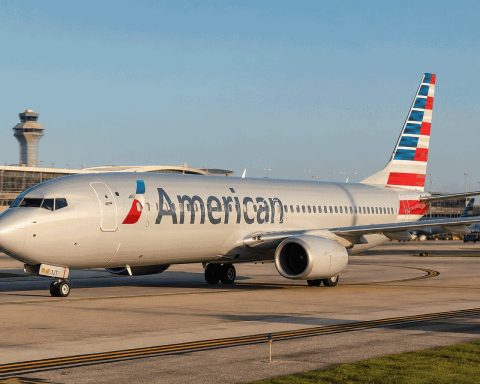
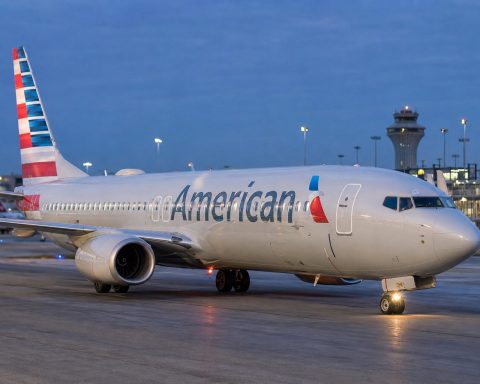
The National Transportation Safety Board is looking into a near-miss at Boston Logan on Saturday involving a Delta (A319) and an American Airlines (737-800) taking off from intersecting runways. The FAA is also investigating. No injuries. Safety stories like this can hit airline stocks. Margin gains could be short-lived if oil prices rebound or leisure travel demand slips.
Stocks ended lower Monday, with tech lagging. The S&P 500 and Nasdaq slipped. Oil dropped as U.S.-Iran talks showed signs of progress. Airlines aren’t seeing a full risk-on environment.
American faces a straightforward but tough challenge now. The company needs to show that cheaper fuel prices last and passengers don’t push back on fares. Where the stock goes next could depend more on whether the airline turns fuel savings into profit, rather than pricing strategy.
Related articles: NASDAQ:UAL