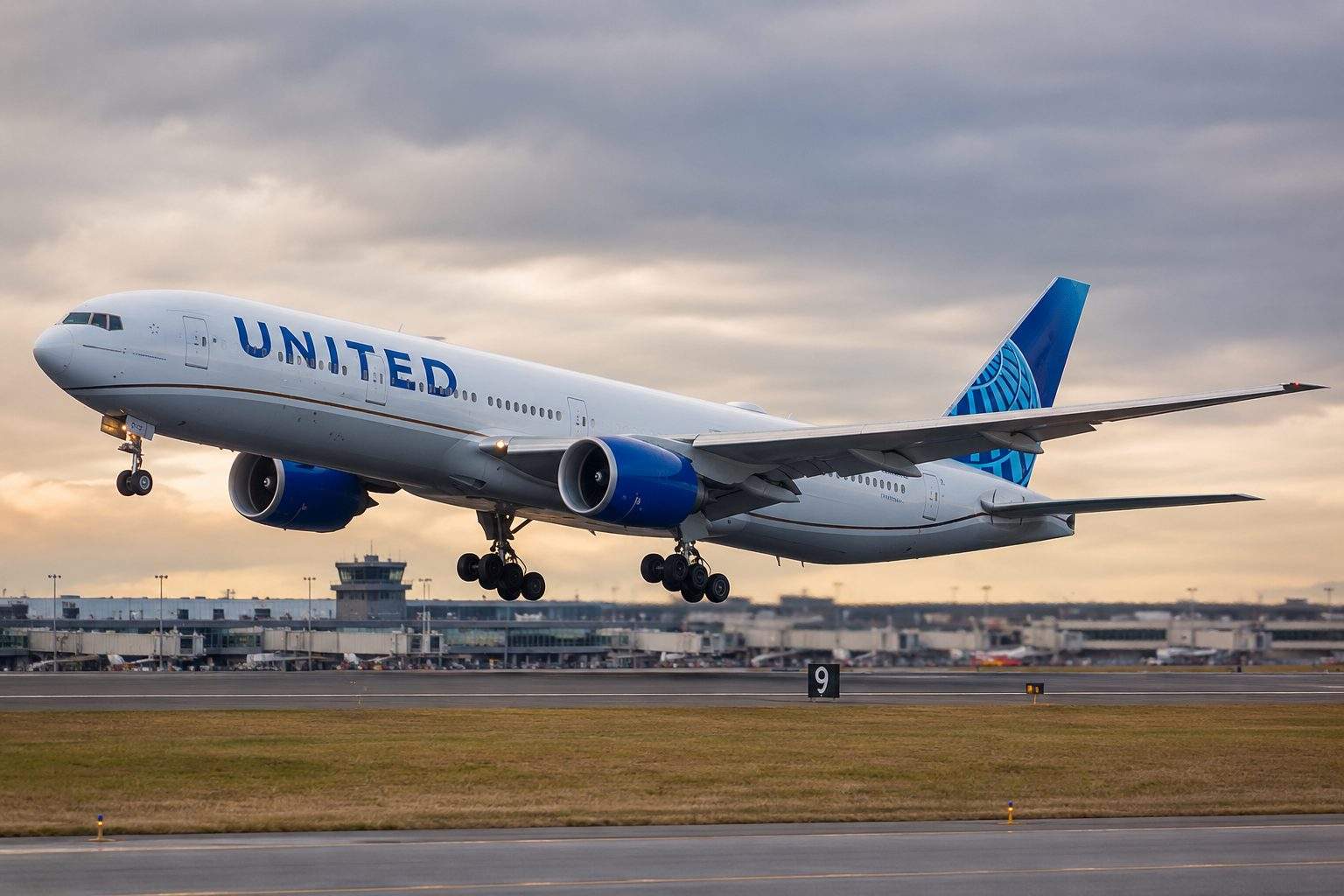

CHICAGO, July 16, 2026, 07:06 (CDT)
- If the special row on United fills up and fares match, its four seats need to bring in 1.5x more revenue per passenger than a standard six-seat row.
- United’s planned layout for 50 A321XLRs will block off 100 middle seats, leaving 200 window and aisle seats for sale, according to the figures released.
- Premium revenue was up 16% in Q2, but fuel costs surged 84%. United still hasn’t said what it will charge for the new row.
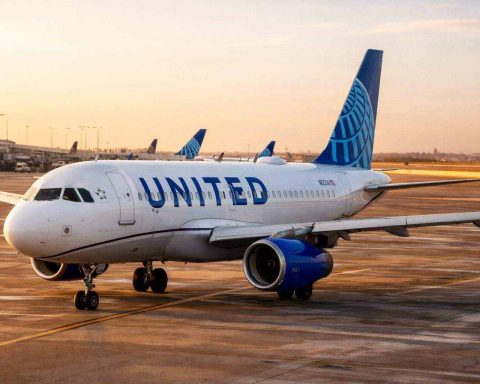
United Airlines Holdings NASDAQ:UAL is trying out a new layout on 50 incoming jets, betting that four wider seats can bring in more money than six regular ones. If the plane is full and passengers pay the same fare, each of the four seats has to make 1.5 times what a standard seat does—so a 50% jump per seat.
United said Tuesday it will put a fixed table across the two open middle seats in one Economy Plus row on every Airbus EPA:AIR A321XLR. That means window and aisle passengers get extra space. Seats go on sale later this year, with domestic routes starting this fall and international flights planned by early 2027. No word on pricing yet.
United’s cabin change landed just before the carrier reported second-quarter numbers. The day after the seat move, United said operating revenue was up 16%, premium revenue also climbed 16%. Economy unit revenue grew 12%. Contracted business revenue jumped 27%. CEO Scott Kirby said, “Our results show why we have been investing in customer improvements throughout every cabin.” PR Newswire
Fuel costs are a big reason those gains count. United’s fuel bill in the second quarter climbed $2.3 billion, up 84%. The company now sees almost $6 billion more in fuel expense for 2026 than it thought at the start of the year. It recovered about half the second-quarter jump and thinks it will get back 80% to 90% in the third quarter, with a full recovery in the fourth.
| United second-quarter measure | Change from a year earlier |
|---|---|
| Total operating revenue | up 16% |
| Premium revenue | up 16% |
| Economy unit revenue | increased 12% |
| Contracted business revenue | jumped 27% |
| Fuel expense | spiked 84% |
The row math is straightforward. These numbers assume each seat sells at the same price, with no empty spots, and don’t include taxes, fees, or extra spending by passengers.
| Layout | Paying seats | Blocked middle positions | Revenue needed per paying seat to match a normal row |
|---|---|---|---|
| Standard 3-3 row | 6 | 0 | 1.0 times |
| United table setup | 4 | 2 | 1.5 times |
The 50% number is just a ceiling, not a prediction. It makes the surcharge look higher than it usually needs to be, especially when a middle seat would be empty anyway or sell for less than the window or aisle. Passengers in the four other seats also pay Economy Plus’s standard extra-legroom fee. United only has to charge enough to top what it would get by blocking those seats, not their best possible price.
Scale keeps the near-term earnings boost in check. The full setup adds 100 blocked middle seats and 200 next-to-them seats at the new price. United won’t move a $17.7 billion quarter with this alone, even if bookings are strong. The value could come if management rolls out the arrangement to more rows or more planes, something United said is on the table.
The A321XLR adds to United’s premium push, with the row here falling under that effort. United will offer 32 premium seats on the plane, which is double the number on the 757s it’s set to replace. “We’re giving customers choice and value in every cabin,” Chief Commercial Officer Andrew Nocella said. PR Newswire
United shares dropped around 2% in late trading after the airline guided for third-quarter adjusted earnings of $2.50 to $3.50 per share. The $3 midpoint is below the $3.60 analyst consensus. United did bump up its full-year forecast, now seeing $9 to $11 per share, compared to its old $7 to $11 range.
But United could run into trouble if the surcharge is too steep and bookings fall off, or if a fixed configuration doesn’t work when route demand shifts. A jump in fuel or less business travel could erase any gains from just four extra seats. The company hasn’t said what it’ll charge, how many it expects to sell, or what revenue it’s targeting for the new product.
The first solid read comes with the opening fare. If that price lands close to the 50% full-load point, that’s a sign there’s real demand. Lower fares aren’t out—they could still make sense if they top what the middle seats would have pulled in. The sample is tiny, but prices could set the tone for the whole fleet.
Related articles: NASDAQ:UAL


![Australia Stock Market Today 26/08/2026 [UPDATE: 11:43 AEST] [Headline CPI Cools as Sticky Core Tests ASX Gains]](https://ts2.tech/wp-content/uploads/2026/08/AU-market-dashboard-2026-08-26-1143-480x384.jpg "Australia Stock Market Today 26/08/2026 [UPDATE: 11:43 AEST] [Headline CPI Cools as Sticky Core Tests ASX Gains]")