
NEW YORK, Dec. 27, 2025, 9:00 a.m. ET — MARKET CLOSED
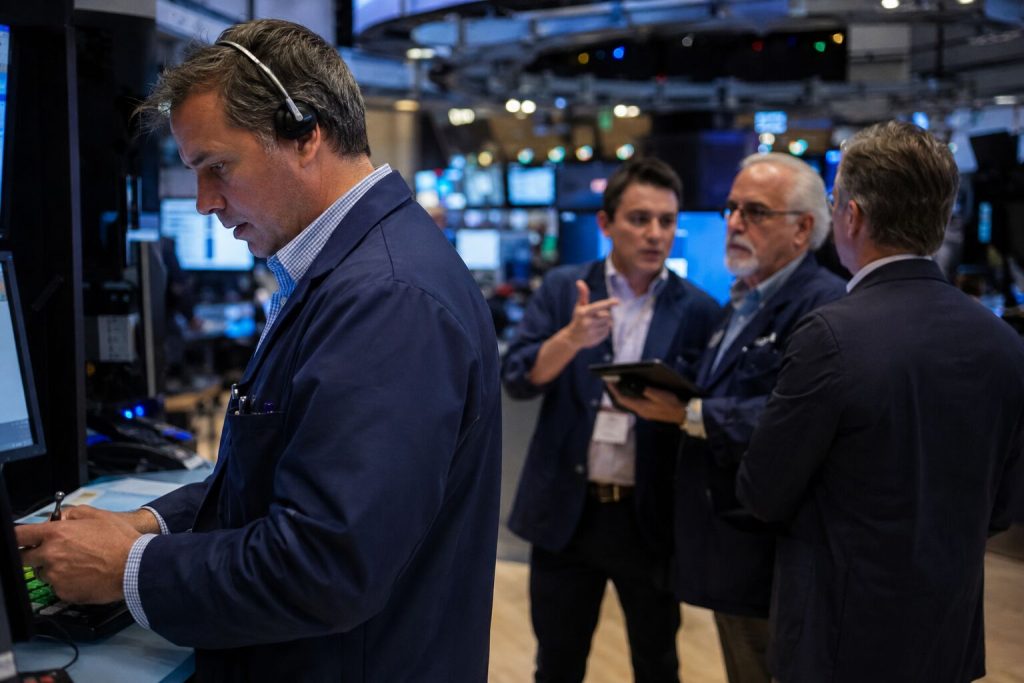
The Australian Securities Exchange (ASX) heads into its next trading session with a familiar year-end cocktail: thin liquidity, outsized cross-currents from global rates and commodities, and investors scanning for a “Santa Claus rally” that can carry into early January. In New York, U.S. markets are closed for the weekend after a muted post‑Christmas session on Friday that left major indexes barely changed—yet still hovering near record territory. Reuters+1
For Australia, the calendar matters as much as the macro. The ASX cash market was shut for Boxing Day and is closed through the weekend, after a shortened Christmas Eve session. Australian Securities Exchange+1 The pause leaves investors to game out Monday’s reopen with global signals flashing “risk-on” in equities—but “risk-aware” in currencies and commodities.
Where the ASX left off: Christmas Eve dip, week still higher
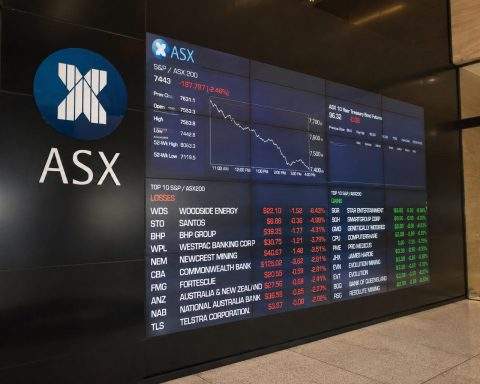
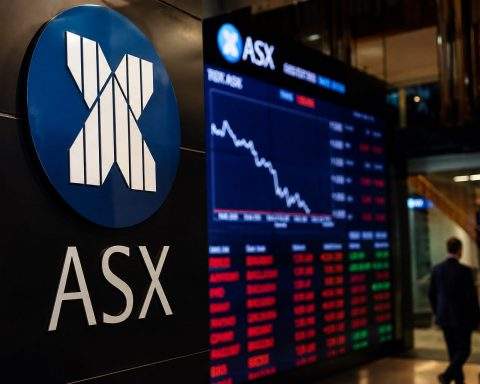
The S&P/ASX 200 last closed on Dec. 24 at 8,762.70, down 0.38% on the day, according to Investing.com historical data. Investing.com Australia ABC’s market coverage similarly reported the index down about 33 points to roughly 8,763 in the shortened session, while still finishing the week about 1.6% higher—a notable detail given the late‑December tendency for low volume to amplify moves.
Sector performance on Christmas Eve underlined the ASX’s personality: miners held up, while rate‑sensitive and defensives did the dragging. ABC reported mining as the only sector in the green (helped by record copper pricing), while utilities and financials were among the biggest laggards.
Wall Street’s cue: “catching our breath,” not reversing
Friday’s U.S. session offered more mood than momentum. Reuters described a light‑volume day with “few catalysts,” and quoted Ryan Detrick, chief market strategist at Carson Group, saying the market was essentially “catching our breath” after a strong run, with the seasonal rally window still in play. Reuters
AP’s end‑of‑day snapshot put hard numbers on the quiet: the S&P 500 slipped 2.11 points to 6,929.94, the Dow fell 20.19 points to 48,710.97, and the Nasdaq dropped 20.21 points to 23,593.10—all moves of less than 0.1%.
Why does that matter for the ASX? Because when U.S. equities grind near highs into year‑end, global asset allocators often keep leaning into cyclicals—especially materials and financials, two pillars of the ASX 200.
Metals are roaring—and that’s an ASX story
While equities drifted, precious metals didn’t. Reuters reported silver jumping 9% to a record $78.53/oz on Friday, with gold hitting $4,549.71/oz and platinum reaching a record $2,454.12/oz. Reuters+1 In Reuters’ global markets wrap, Soojin Kim (commodities analyst at MUFG) pointed to a backdrop where major banks see further gains, supported by physical demand and persistent geopolitical/monetary uncertainty.
For Australia, the commodity angle runs straight through the index. On Christmas Eve, ABC tied the ASX’s relative resilience in miners to record copper prices. ABC And Investing.com’s ASX 200 historical readout reflects the same dynamic: the day’s trading range on Dec. 24 ran up to 8,795.70, even as the close settled lower amid broader sector weakness.
The key nuance for Monday: commodity strength can lift heavyweight miners, but it can also tighten financial conditions if it feeds into inflation expectations—especially if yields rise alongside the Australian dollar.
Rates and the Australian dollar: the “quiet” risk for the reopen
Currency moves are often the stealth driver of the ASX into year‑end. ABC reported the Australian dollar at a 14‑month high around 67 US cents, linking the move to markets reassessing interest‑rate risk in Australia (and pushing bank funding and valuation assumptions back into focus).
That rate‑risk theme is showing up in professional strategy notes as well. In a December outlook, Greg Burke, chief investment officer at Wilsons Advisory, wrote that markets had shifted from pricing rate cuts to fully pricing a 2026 RBA rate hike, and highlighted history suggesting the median ASX 200 return was about 8.4% in the 12 months before a first rate hike—a statistic investors will be testing against today’s higher starting valuations and more crowded positioning.
Forecasts and targets: what strategists are watching into 2026
With the ASX shut and liquidity thin, forecasts tend to lean more on positioning and technical levels than on fresh fundamentals.
Tony Sycamore, a market analyst at IG, framed the ASX 200’s late‑2025 action as a pullback and rebound sequence, noting a key low around 8,383 (late November) and calling that level important for defining whether the October peak was a durable top. IG He also argued that if that downside line holds, the market could work higher toward 9,300–9,500 by end‑2026, while cautioning that valuation has already rerated—citing an ASX forward P/E around 18.1x versus a long‑term average around 14.8x (per IG’s analysis).
Meanwhile in the U.S., Reuters’ “Week Ahead” piece captured the broader global setup: Paul Nolte (Murphy & Sylvest Wealth Management) said bullish momentum remained with the “path of least resistance” higher absent an external shock; Michael Reynolds (Glenmede) pointed to upcoming Fed minutes as potentially clarifying the rate‑cut debate; and Anthony Saglimbene (Ameriprise Financial) described market rotation into areas with more moderate valuations as confidence in economic resilience improves. Reuters
That rotation—away from pure tech leadership and toward cyclicals—tends to be supportive for Australia’s index mix, but it can reverse quickly if rates jump or China demand assumptions wobble.
What investors should know before the next ASX session
With the ASX reopening into a still‑thin, headline‑sensitive tape, here’s what stands out going into Monday’s trade:
1) Watch the global “risk” signal, not just the ASX headline level.
Friday’s U.S. close was calm, but Reuters emphasized that light volumes can exaggerate moves and that investors remain focused on the Fed’s path into 2026. Reuters+1 If U.S. yields and the dollar shift sharply when markets reopen, the ASX typically feels it through banks, REITs, and high‑multiple defensives.
2) Commodities are supportive—but can create “good news / bad news” cross‑pressure.
Record precious‑metal prices have been bullish for miners and resource-linked names, but they also reflect (and can reinforce) macro uncertainty. Reuters+1 Expect materials leadership to be tested against currency strength and rate expectations.
3) The Australian dollar matters more than usual in holiday trading.
A firmer AUD can temper earnings expectations for internationally exposed companies and can tighten financial conditions at the margin. ABC’s note on the AUD at multi‑month highs puts FX on the Monday dashboard.
4) Know the calendar—liquidity is about to get even stranger.
ASX’s cash market trading calendar flags the year‑end structure, including early closes around key dates. Australian Securities Exchange In the U.S., investors are also navigating a holiday‑shaped schedule around New Year’s, with markets closed on New Year’s Day.
The exchange itself: infrastructure modernization stays in the background
Beyond prices, the Australian Securities Exchange as an operator remains in a long, closely watched modernization cycle. On Dec. 18, 2025, ASX published a runbook for CHESS Release 1 Implementation Dress Rehearsal 2, outlining activities and communications aimed at supporting a safe go‑live process.
For most investors, that’s not a day‑to‑day trading catalyst—but it’s part of the ASX’s structural story, especially given how settlement and market plumbing can become market-moving when it breaks (and how credibility gets rebuilt when it doesn’t).
Bottom line for Monday’s reopen
The ASX is coming back from a holiday pause with a supportive global equity backdrop and a loud commodity bid—but also with a stronger Australian dollar and a market increasingly sensitive to the “when and how fast” of 2026 rate cuts (globally) and potential hikes (locally). wilsonsadvisory.com.au+2Reuters+2
In other words: Monday’s first hour in Sydney may look calm on the surface, but the real tell will be leadership—whether miners and cyclicals extend their grip, or whether currency and rates pull the index back into the kind of choppy, thin‑liquidity action that tends to define the last few trading days of the year.
Related articles: ASX:ASX