
SAO PAULO, June 19, 2026, 18:01 (BRT)
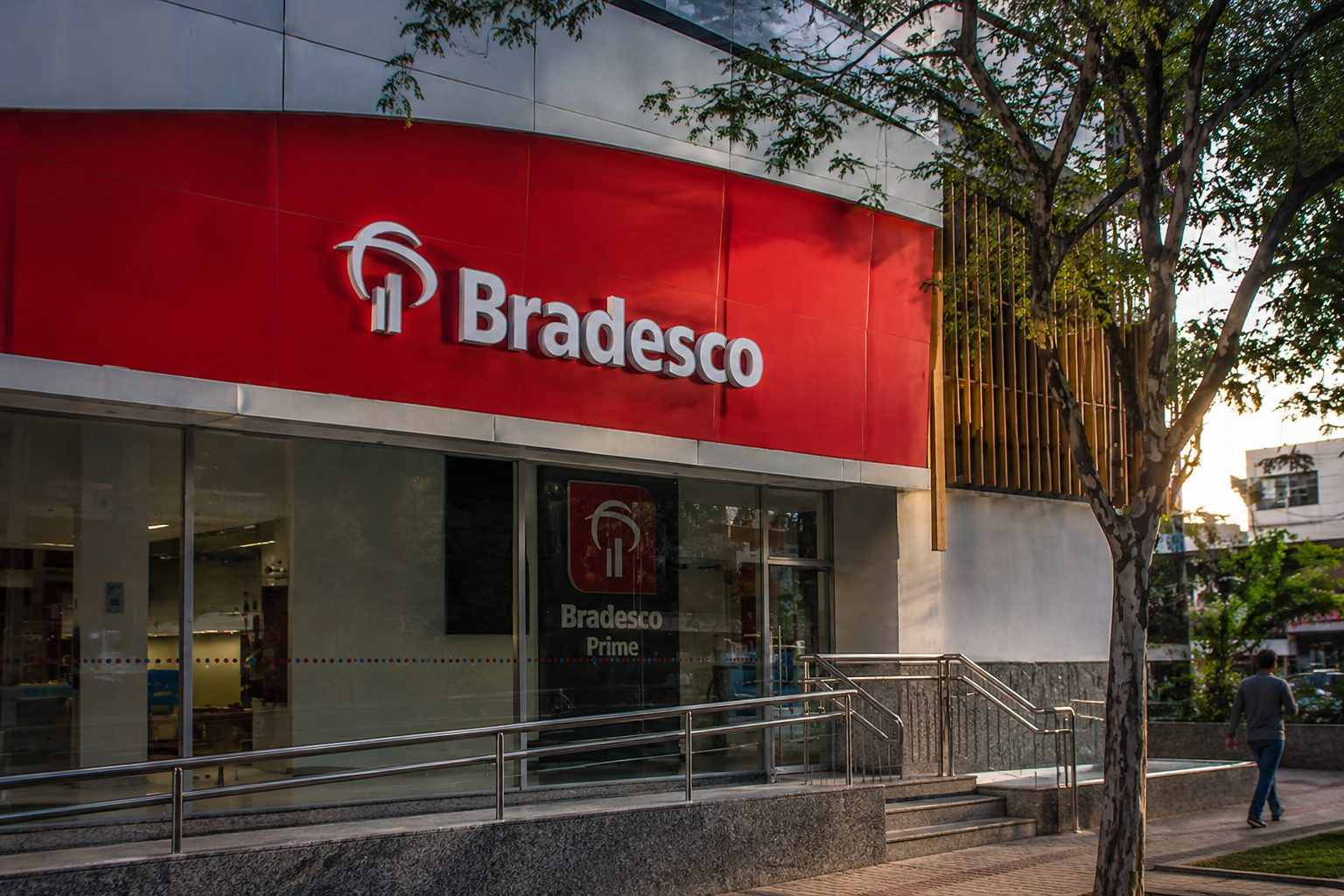
- Bradesco BBDC4 preferreds finished flat at R$17.47 on B3, with the stock trading in a tight range.
- Brazil’s central bank lowered the Selic rate to 14.25%, keeping its guidance on more cuts cautious.
- Bradesco’s profit recovery is on investors’ minds, but so are higher credit-loss provisions and the risk of inflation.
Banco Bradesco’s preferred shares finished unchanged at R$17.47 in São Paulo on Friday. Investors didn’t see much reaction to the latest Brazilian rate cut. The stock moved in a tight range from R$17.40 to R$17.59 before ending about 1.9% lower than a week ago. The Ibovespa ticked up 0.03% to 168,334 points. Itaú Unibanco slipped 0.80%, Banco do Brasil shed 0.56%.
Brazil’s central bank on Wednesday lowered the Selic by 25 basis points to 14.25%, delivering a third cut in a row and signaling more decisions will hinge on fresh data. “The easing cycle is likely to become stop-start from here on,” Liam Peach, senior emerging markets economist at Capital Economics, told Reuters. Reuters
Bradesco may get some relief from easier short-term rates, with a possible lift to credit demand and less funding pressure. But that upside isn’t a straight shot. The bank is still in the middle of showing it can keep its operations ahead of credit costs, after what’s been a tough stretch for Brazilian banks.
Bradesco said recurring net income came in at R$6.8 billion for the first quarter, a jump of 16.1% year over year. Revenue reached R$36.9 billion, up 14%. Loan-loss provisions climbed 26.5% from the same period last year. The bank said it is keeping its risk appetite moderate, citing concerns about worsening conditions in agribusiness and some other sectors.
Brazilian rates markets reacted after the central bank’s move. According to Reuters, short-term yields slipped—traders bet on another rate cut—while yields from 2028 and out moved higher as long-term risk got repriced. The yield curve measures cost of borrowing for different maturities. Gino Olivares, chief economist with Azimut Brasil Wealth Management, called the decision “a form of contortion to keep cutting rates despite explicitly acknowledging greater concern about inflation.” Reuters
Share class is a key point for foreign investors. Bradesco’s BBDC4 preferred shares trade on B3. Its preferred ADRs, which trade in the U.S., are on the NYSE as BBD.
U.S. trading for BBD paused Friday with the NYSE closed for Juneteenth. The ADR last changed hands at $3.36, off 6 cents from Wednesday’s finish. BBD will need to catch up to Friday’s session in Brazil once the U.S. market reopens.
Bradesco’s insurance business and tighter expenses are giving the bank a boost. Return on average equity rose to 15.8% in Q1, a sign of better profitability. But for bank stocks, investors usually want clearer signs that credit losses have topped out. The trade right now isn’t so much about expecting a single rate cut, but about waiting for that proof.
But there’s an obvious risk. If inflation remains over target, long rates may not come down much when the central bank starts cutting the Selic. That would blunt the impact of rate cuts for lenders. Trouble in agribusiness or rising corporate delinquencies could also force Bradesco to hold provisions high. That would hit profits, limiting any stock rebound.