
Washington, June 15, 2026, 23:02 PKT
- Jeff Bezos’ call for eliminating federal income tax for the bottom 50% of U.S. earners was back in the spotlight on Monday.
- Tax data indicate many of the lowest-income households already pay no federal income tax.
- Analysts said middle-income families would likely see more direct benefit from plans like these.
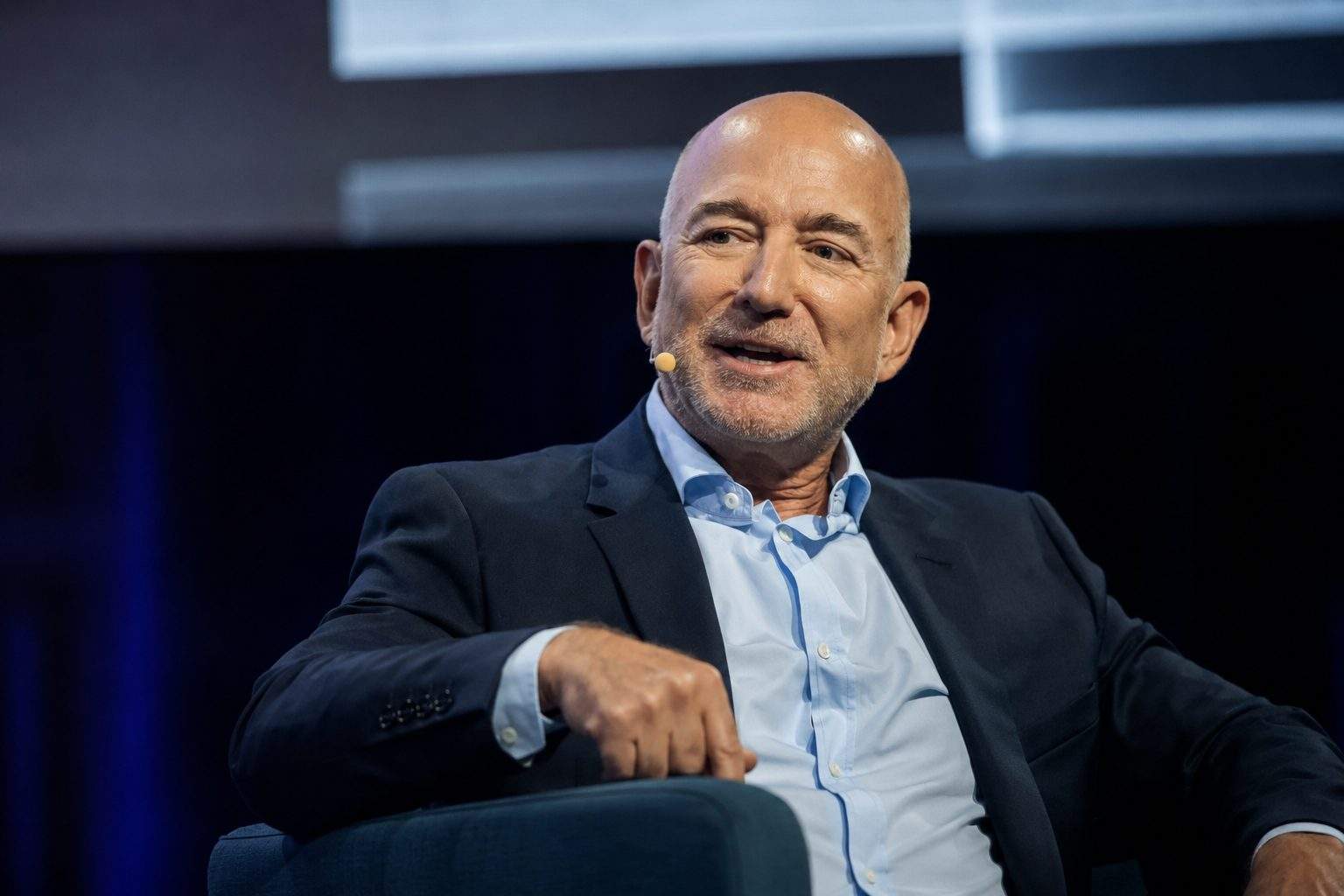
Bezos’ call to get rid of federal income tax for the bottom half of earners got new notice Monday after Investopedia pointed out the plan would hand a bigger benefit to some workers. The Amazon and Blue Origin chief pitched the scheme on CNBC’s “Squawk Box” back on May 20, telling viewers the lower half of Americans already account for a tiny share of income tax collected. “I think it should be zero,” Bezos said.
Numbers remain a key hangup in the debate. The Tax Foundation reports that for 2023, the lower half of taxpayers earned less than $53,801 in adjusted gross income, paid 3.3% of total federal individual income taxes, and had an average tax rate near 3.7%. Investopedia says this is roughly 76.5 million tax units, with an average federal income tax payment around $913.
The catch is that most lower-income households already don’t pay federal income tax after deductions and credits. The Tax Policy Center estimates around 40% of households—roughly 76 million tax units—won’t owe federal income tax in 2025. A broad zero-tax idea would mainly benefit households who still pay but fall below the threshold to qualify.
Democrats have floated their own ideas as the debate picks up. Rep. Don Beyer and Sen. Chris Van Hollen introduced the Working Americans’ Tax Cut Act, a plan that would eliminate federal income taxes for single filers under $46,000, heads of household under $64,400, and joint filers under $92,000. The bill includes phased relief just above those levels too. According to the Yale Budget Lab, the tax cut would cost about $1.6 trillion over ten years, covered by a new surtax on top earners.
Bezos didn’t endorse the bill or say he’d pony up more taxes for his idea. On CNBC, he pointed to what he called a “spending problem” in the U.S. He said he backs no federal income tax for lower earners. The remarks landed as talk heats up around wealth, wages and Amazon’s labor record. A recent Guardian interview with ex-Amazon Labor Union leader Chris Smalls revisited the 2022 Staten Island union win and Smalls’ activism now, keeping Bezos in the news on taxes and who benefits from America’s largest companies.
Related articles: NASDAQ:AMZN