
Houston, May 1, 2026, 07:08 (CDT)
Vanguard Capital Management disclosed a 7.56% stake in CenterPoint Energy, with 49,404,747 shares owned, per an April 29 Schedule 13G. Of the total, Vanguard holds sole voting rights on 6,893,787 shares and can dispose of all 49.4 million, according to the filing.
Schedule 13G filings show when someone holds over 5% of a voting class—typically signaling passive ownership with either voting or investment power, including selling rights. What Vanguard filed? It’s a straightforward notice of a significant passive position, not an activist move.
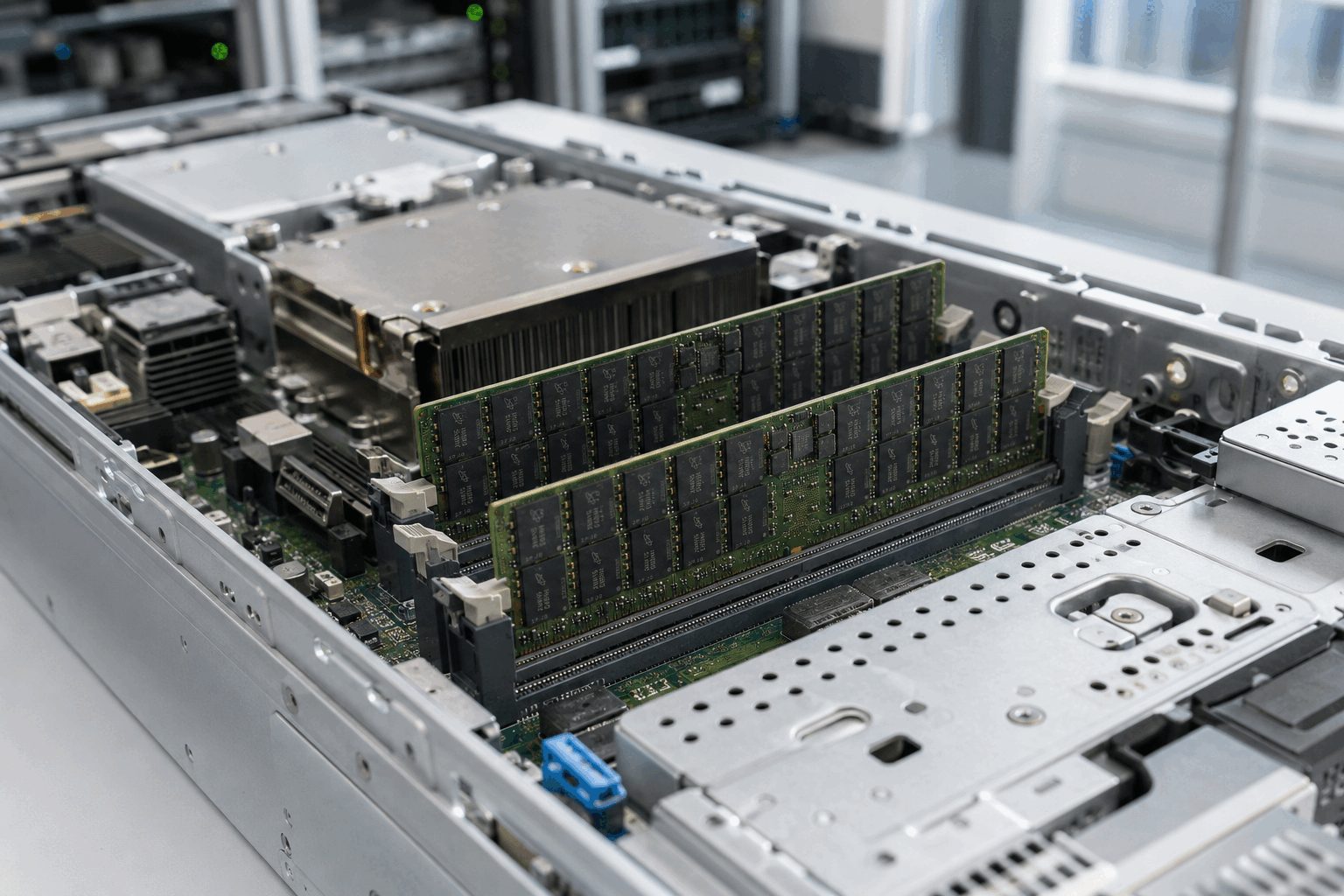
CenterPoint’s pitch to investors has shifted; it’s not just about rate cases, dividends, and grid upgrades anymore. According to the company, Houston Electric has locked in 12.2 gigawatts of new load—8 gigawatts of that, exclusively from data centers, should go live by 2029. (A gigawatt is equal to 1,000 megawatts.) CEO Jason Wells called Houston “firmly established as a location of choice” for large-scale hyperscaler clients, or major cloud operators. Utility Dive
CNP last changed hands at $43.65 ahead of Friday’s U.S. open, putting CenterPoint’s market cap around $28.8 billion. Shares have hovered close to recent peaks, so utility-focused investors are tracking shifts in institutional ownership.
The Vanguard filing follows other notable moves in CenterPoint Energy stock. UBS Group boosted its stake in the fourth quarter by 31.3%, reaching 7,261,079 shares valued around $278.4 million. Jennison Associates also increased its position—up 19.4% to 7,722,893 shares, or roughly $296.1 million—according to recent 13F-based figures cited by MarketBeat.
Be cautious with those 13F reports. According to the SEC, Form 13F comes from institutional investment managers handling at least $100 million in specified securities, and must be filed within 45 days after each calendar quarter wraps up. They capture holdings as of quarter-end—so the snapshot may not reflect a manager’s current positions.
CenterPoint posted first-quarter net income of $316 million, translating to 48 cents per share—an uptick from $297 million, or 45 cents per share, the year before. The company pointed to a firmly committed industrial load topping 12 gigawatts. In comments to Reuters, Wells said adding connections to the electric grid remains the “best way to deliver on affordability.” Reuters
CenterPoint still counts as a dividend play. The board signed off on a standard quarterly payout—23 cents per share—set to go out June 11 to holders registered by the end of business May 21.
The landscape stretches well beyond CenterPoint. Back in April, Reuters noted U.S. utility stocks had their best first-quarter rally since 2019 as investors piled into defensive names and those tied to AI-fueled power use. “A lot of the performance is likely going to be tied” to utilities’ industrial customer base, Sparrow Capital Management president Gerry Sparrow said. Names active in the data-center corridor include American Electric Power, NextEra Energy, and Duke Energy. Reuters
Still, those ownership headlines don’t eliminate risk. CenterPoint flags an array of uncertainties in its own forward-looking statements — things like demand forecasts, regulatory cost recovery, project execution, weather swings, financing, and grid investment timing all get a mention as possible swing factors. If data-center construction slows, regulators clamp down harder on cost recovery, or funding costs climb, that institutional wager starts to look a lot messier.
So far, the filings point to big investors sticking with the regulated utility, as its growth story hinges more and more on Houston’s industrial power pipeline actually becoming connected load—rather than just reflecting signed interest.
Related articles: Energy Sector