
NEW YORK, July 20, 2026, 10:08 a.m. EDT
- Preliminary intraday: Delayed data indicated Bloom shares dropped 5.6% to $202.85. U.S. markets were trading during normal Monday hours.
- Bloom’s market capitalisation stood at $64.8 billion, matching 18.0 times the midpoint of its projected 2026 revenue.
- An SEC filing shows that related parties accounted for 49.7% of revenue in the first quarter.
Shares of Bloom Energy dropped 5.6% on Monday morning. The $1.7 billion AI-power financing secured last week was not enough to maintain the gains seen on Friday.
The question on the market has shifted. Investors now recognise demand for higher-speed data-centre power, but are seeking proof that major financing arrangements result in revenue.
Bloom’s market capitalisation stood at approximately $64.8 billion in after-hours trading. That represents about 18.0 times the midpoint of its projected 2026 revenue range of $3.4 billion to $3.8 billion. Such a high multiple offers limited cushion for any setbacks.
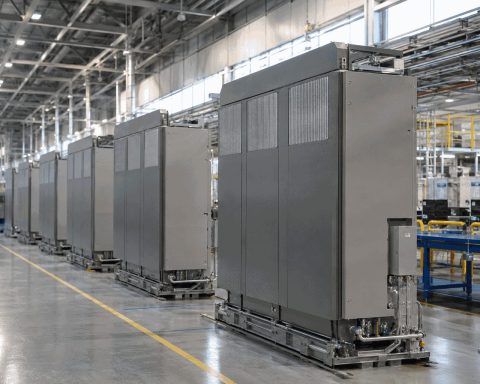
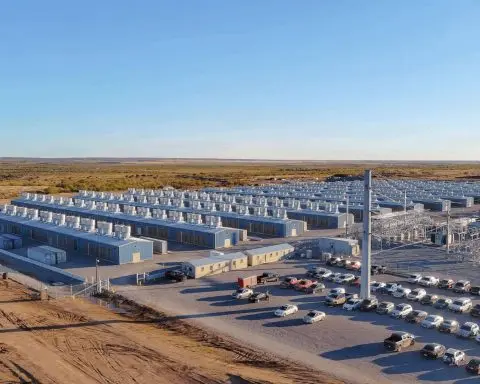
The new round of funding is set to support behind-the-meter fuel cell installations for Nebius Group NASDAQ:NBIS. Industrial Development Funding will oversee the project as the lead, while Oaktree is joining as a minority equity investor.
The statement referred to $1.7 billion as the amount invested in the project, not as revenue for Bloom or as an order figure.
“They also need a path to finance and deploy power rapidly,” Bloom commercial chief Aman Joshi said. The agreement signals that institutional investors are willing to back the equipment, but does not indicate when Bloom will record sales. PR Newswire
| Disclosure | Verified amount | What investors receive |
|---|---|---|
| IDF and Oaktree Nebius project | $1.7 billion | Funding for Nebius project, Bloom revenue not specified PR Newswire |
| Brookfield Asset Management NYSE:BAM framework | Up to $25 billion | Funding potential available for AI infrastructure developments Reuters |
| Bloom current backlog, Dec. 31 | About $20 billion | Reported product and service backlog by the company investor.bloomenergy.com |
| GAAP performance obligations, March 31 | $492.6 million | Revenue under contract per RPO regulatory standards SEC |
| 2026 revenue guidance | $3.4 billion-$3.8 billion | Revenue projection by the company investor.bloomenergy.com |
| Monday market capitalisation | $64.8 billion | Roughly 18.0 times the midpoint of guidance |
The disparity between backlog and GAAP performance obligations is notable. In March, RPO was roughly 2.5% of the backlog reported at year-end. However, these metrics cannot be directly compared.
Bloom’s backlog features extended maintenance revenue from service agreements lasting five to 20 years. Customers have the option to discontinue these contracts each year for convenience.
Contracts under one year in duration are not included in GAAP RPO. It also does not capture deals billed based on service delivery. As a result, investors require more transparent reconciliation between the two metrics.
Performance has strengthened significantly. Revenue for the first quarter climbed 130% to $751.1 million. Operating income totaled $72.2 million, and operating cash flow stood at $73.6 million.
Maintaining revenue quality is still crucial. Approximately 50% of sales in the first quarter came from one related-party client. Bloom clarified that this contracted customer may be a financing affiliate and not necessarily the end user of the power.
Markets diverged on Monday. Update-delayed data indicated Nebius climbed 5.0%, as Bloom dropped 5.6%. The result placed the project’s customer and its equipment provider at odds.
A report from a short-seller released on July 8 questioned both Bloom’s accounting practices and its sourcing of scandium. Bloom dismissed these allegations in a filing with the SEC, stating its supplies do not rely on China.
Risks: Revenue or margins may be affected by delays in the project timeline, high customer concentration, and limited supplies. Reduced AI spending would increase headwinds. A downgrade in guidance may put further pressure on Bloom’s sales multiple.
Bloom is scheduled to release its second-quarter results after trading ends on July 28. Investors are expected to focus on performance obligations, related-party sales, margins, and cash flow. These metrics could prove more significant than any new financing announcement.
Related articles: NYSE:BE