
New York, June 13, 2026, 17:07 (EDT)
- Boeing ended Friday at $219.05, slipping 1.16%. The stock lagged both the S&P 500 and Dow, which finished higher.
- Reports that Air India is looking to push back hundreds of deliveries from Airbus and Boeing put fresh pressure on the sector.
- The next thing to watch is June deliveries and the 737 production ramp, which will show if Boeing’s cash-flow recovery is still moving as planned.
Boeing shares closed down 1.16% at $219.05 on Friday, trading in a range from $216.70 to $223.51. The stock slid even as the S&P 500 added 0.50% and the Dow climbed 0.70%. That put Boeing out of step with the major indexes, as investors focused on company risks rather than broad market moves.
Fresh pressure came after Reuters said Air India wants to push back deliveries for hundreds of new jets from Airbus and Boeing as it tries to save money. Air India made headlines in 2023 with a record 470-jet order from both. Reuters reported the airline now faces mounting losses, flight disruptions linked to the Iran conflict, a Pakistan airspace ban, and fallout from last year’s deadly Boeing 787 crash, hurting its growth plan. Boeing and Airbus did not comment, Reuters said.
Boeing’s share price depends on deliveries, as revenue is only booked when planes are delivered. Free cash flow, which is cash left after capital spending, is still a key number for Boeing’s recovery. In the first quarter, Boeing posted $22.2 billion in revenue, a core per-share loss of $0.20, and negative free cash flow of $1.5 billion. Commercial deliveries helped lift revenue, and Boeing’s total backlog hit a record $695 billion.
The bear case cites ongoing safety and reputation risks. India’s Aircraft Accident Investigation Bureau said Friday it is still reviewing evidence from the 2025 Air India Boeing 787 crash, with a final report to come only after it finishes investigations and talks with international bodies. According to a separate Reuters report, investigators did not give a timeline for the final report as the crash anniversary passed, which leaves Boeing investors waiting for answers on a key aviation-safety issue.
Boeing said Friday it won’t bid on the U.S. Navy’s Undergraduate Jet Training System RFP because its T-7A didn’t match the Navy’s needs. The move isn’t as big for the stock as commercial jet news, but it does fit with Boeing’s recent approach in defense—management is picking programs more carefully and looking to steer clear of costly execution issues.
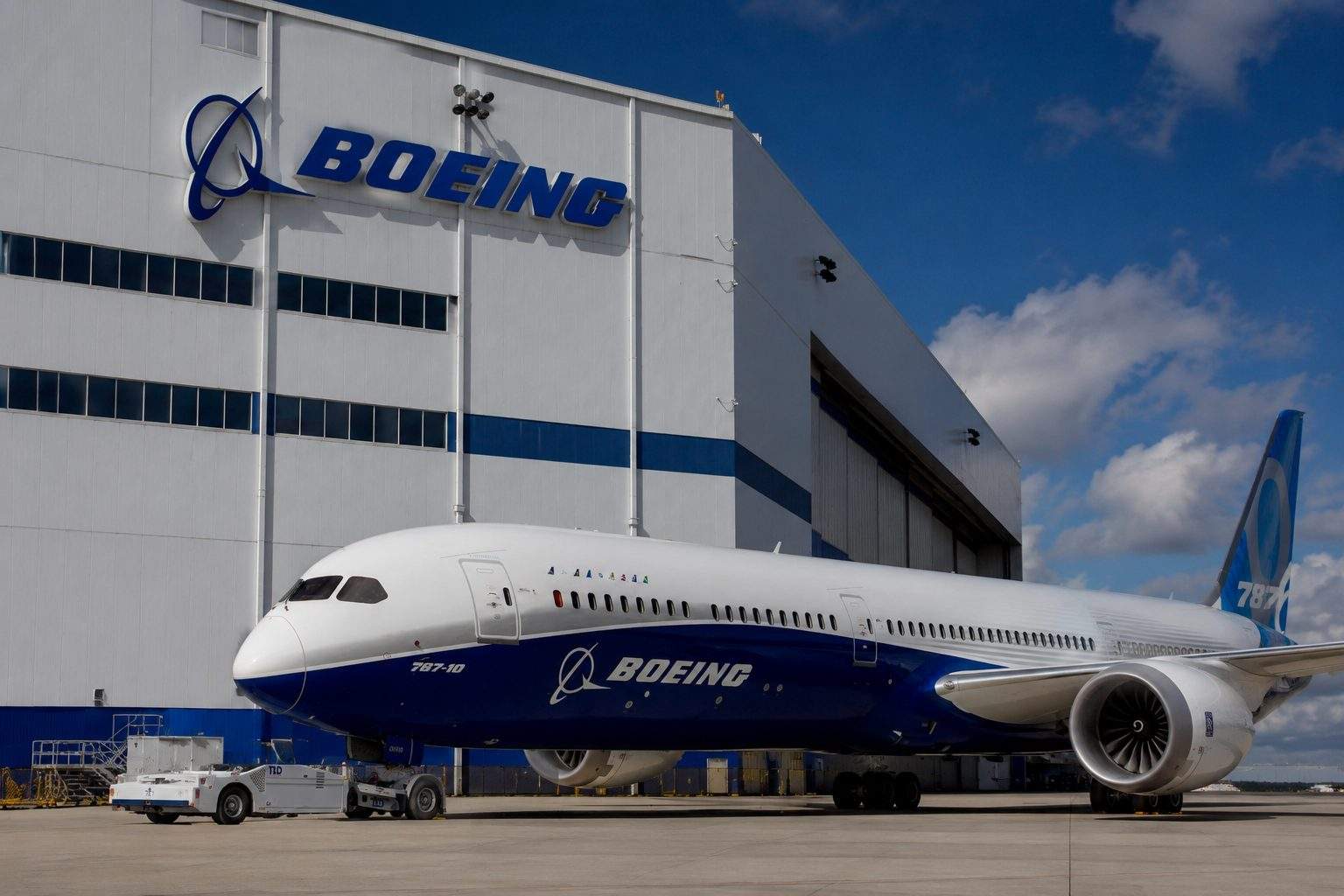
Boeing’s bull thesis is tied to the rebound in commercial airplanes. The company handed over 60 jets in May, up 33% from last year. That includes 51 units of the 737 MAX, the biggest monthly MAX tally since Boeing restarted output in December 2024 following a strike. Deliveries for the year through May hit 250 jets. The backlog closed the month at 6,178 planes. Boeing has also started increasing its 737 production rate from 42 up toward 47 a month after talks with the FAA.
Analyst views on Boeing are still mostly positive but far from certain. Jefferies analyst Sheila Kahyaoglu kept her Buy rating on the stock on June 12 and set a $295 price target, TipRanks data show. The average 12-month target from analysts on TipRanks is $274.14, above where shares finished Friday. Boeing’s price-to-earnings ratio sits at about 96.6, based on Google Finance data, a high level that could hurt the stock if problems with deliveries, cash flow or certification get worse.
Boeing is still a tough call today. Yes, the backlog, better 737 output and what analysts are expecting do give bulls something to lean on. But the stock price already bakes in a smoother turnaround, and the most recent Air India delivery news brings up more questions on when demand will show up. The key thing for investors now is the company’s June orders-and-deliveries update. They’ll be looking to see if the pace of 737 MAX deliveries points to real progress toward a 47-per-month production rate, and steadier cash flow.
Related articles: NYSE:BA





![UK Stock Market Today 26/08/2026 [UPDATE: 09:01 BST] [Miners Offset Oil Majors as Brent Slides Below $86]](https://ts2.tech/wp-content/uploads/2026/08/UK-market-dashboard-2026-08-26-0901-480x384.jpg "UK Stock Market Today 26/08/2026 [UPDATE: 09:01 BST] [Miners Offset Oil Majors as Brent Slides Below $86]")