BRASILIA, July 9, 2026, 13:08 BRT
Brazil is putting off a call on its gasoline subsidy until next week, while talks on a rural-debt restructuring plan are moving forward. For investors, it brings fuel inflation and the government’s fiscal reputation back into focus. Finance Minister Dario Durigan linked the subsidy delay to new uncertainty from the Iran conflict. The rural debt move may involve just over 100 billion reais in debt restructurings.
It’s not just about where pump prices land. The focus is the government trying to roll back subsidies—public money or tax breaks used to keep prices low—without spooking markets with new inflation worries or loosening fiscal rules before the cost is clear. A Bloomberg report on Investing.com said Brazil’s emergency fuel-aid plan came with up to 2.9 billion reais per month for gasoline and diesel help, totaling around 13 billion reais in tax breaks and incentives, while the nominal deficit, which includes interest, was 9.6% of GDP.
Brent crude slipped 0.1% to $77.91 a barrel by 1322 GMT on Thursday, as traders watched U.S. strikes on Iran along with Iranian attacks in the Gulf that brought the Strait of Hormuz back into focus. Saxo Bank’s Ole Hansen called it a “very nervous market.” Aneeka Gupta at WisdomTree expects Brent to hold between $75 and $85 for the next month. Reuters
The numbers lay things out more clearly than the political side.
| Channel | Latest stated number | Investor read-through |
|---|---|---|
| Gasoline subsidy | 0.44 real per litre. At the May rate, 272 million reais for each 0.10 real per litre, about 1.2 billion reais spent monthly | This is the biggest driver for month-to-month cash. Removing it would improve budget figures, but could push up fuel costs for drivers |
| Diesel pricing | Petrobras lowered posted diesel price by 0.3515 real per litre with the same discount scrapped. End price to the distributor remains at 3.30 reais per litre | No immediate impact at the wholesale level. This move softens the shock for haulers and distributors |
| Rural debt | More than 100 billion reais will be reworked. Upfront Treasury outlay is 2 billion-3 billion reais per year before factoring in hidden subsidy costs | Costs less than fuel help programs in the short run but is spread out and tough to undo |
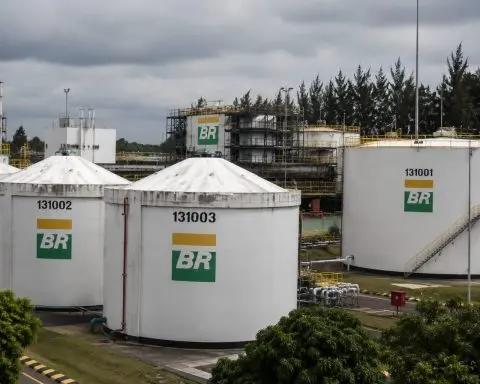
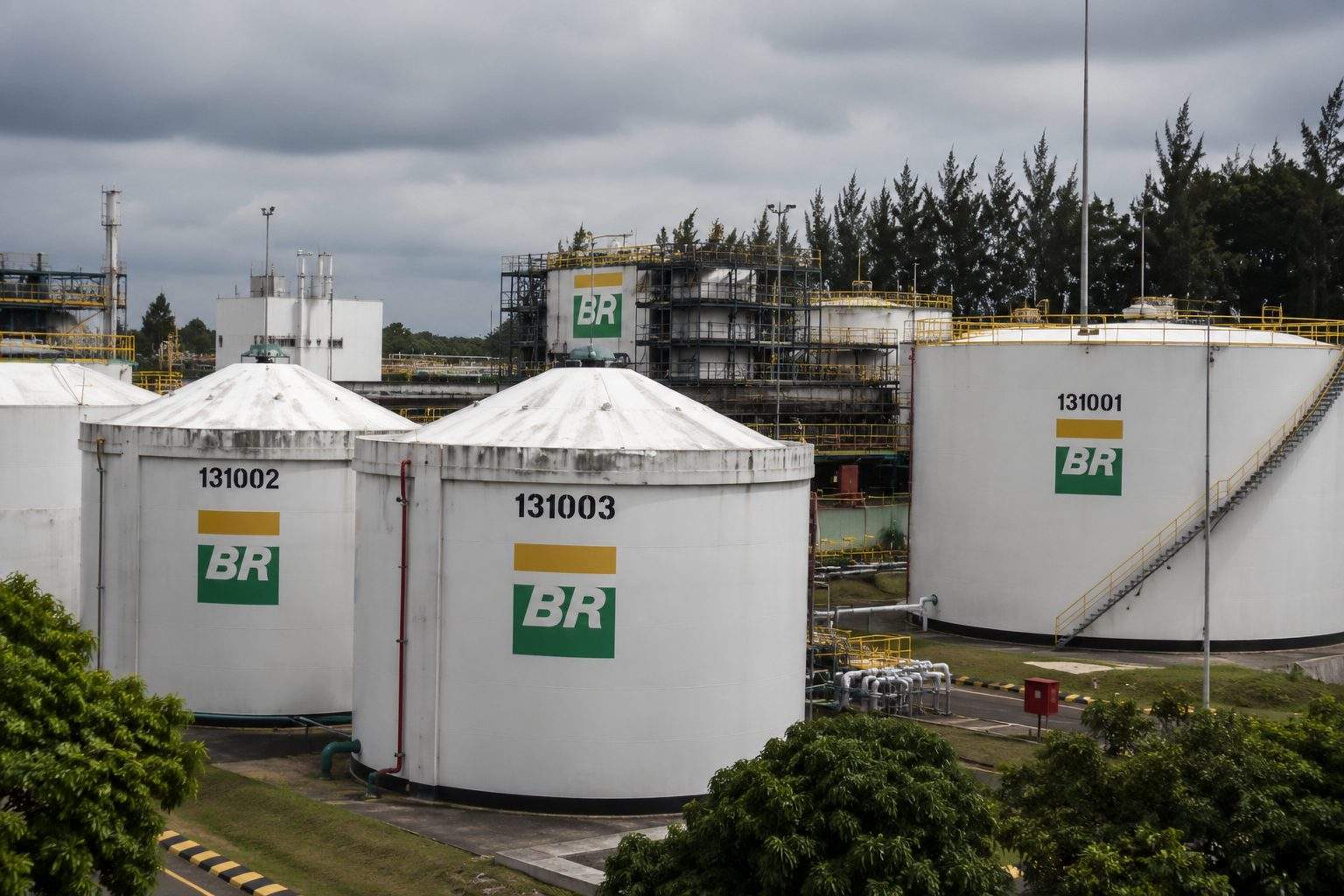
Petrobras (BVMF:PETR4) sits in the center. The state oil giant changed the invoice structure for diesel but kept distributor prices steady, with a Zacks piece on TradingView pointing out distributor costs are still 3.30 reais per litre. For retailers and distributors like Vibra Energia (BVMF:VBBR3) and Ultrapar (BVMF:UGPA3), the main question is less about subsidies and more about whether fixed wholesale prices will hold up volumes and working capital.
Petrobras CEO Magda Chambriard told Reuters last week the oil market “has not yet returned to normal,” saying $72-$75 per barrel seemed to be the emerging range. That range has already been tested. The company’s gasoline pricing decision, now delayed to next week, is starting to look more like a geopolitical move than just a routine tax issue. Reuters
The government had signaled earlier that gasoline aid would end first, with diesel following at a slower pace. Planning and Budget Minister Bruno Moretti told Reuters the 0.44-real-per-litre gasoline subsidy would be phased out over a “much shorter” window than the 1.12-real-per-litre diesel subsidy. He warned ending diesel aid too fast could bring price spikes or hit supply. The government is still targeting a primary surplus of 0.25% of GDP this year, he said. Reuters
| Exposure | Helps if | Hurts if |
|---|---|---|
| Petrobras (BVMF:PETR4) | Fuel prices stay close to market and crude-export tax falls or runs out | Authorities push local prices down to curb inflation |
| Vibra Energia (BVMF:VBBR3), Ultrapar (BVMF:UGPA3) | Wholesale price calm keeps up volumes and aids inventory planning | Volatile prices at the pump lower demand or hit margins at stations |
| Raízen (BVMF:RAIZ4) | More ethanol blending drives up Brazilian biofuel demand | Mandate moves stall or higher feedstock eats up gains |
The outcome isn’t set. If oil jumps again or the real slides, Treasury could leave fuel relief in place longer. If Congress or farm groups push the rural debt program further, that 2-3 billion real yearly estimate might miss the mark since hidden subsidies—those off-the-books perks—would count too. Treasury Secretary Rogerio Ceron said in June that subsidies could come off if crude holds near $80, but flagged the next month as critical.
Investors are watching next week’s gasoline call as much for what it says about the government’s budget plans as for what it does to energy prices. If the subsidy goes, it’s a sign authorities are ready to let inflation run higher to hold onto cash. If they hold off, it means they still see the oil shock as a bigger problem than budget headlines. The rural-debt plan is barely mentioned, but it could have effects that last longer.