
London, January 30, 2026, 11:52 GMT — Regular session
- Brent slips roughly 1% amid U.S. hints at potential talks with Iran
- Markets remain jittery ahead of Sunday’s OPEC+ supply meeting
- January is on track for Brent’s largest monthly gain since 2022
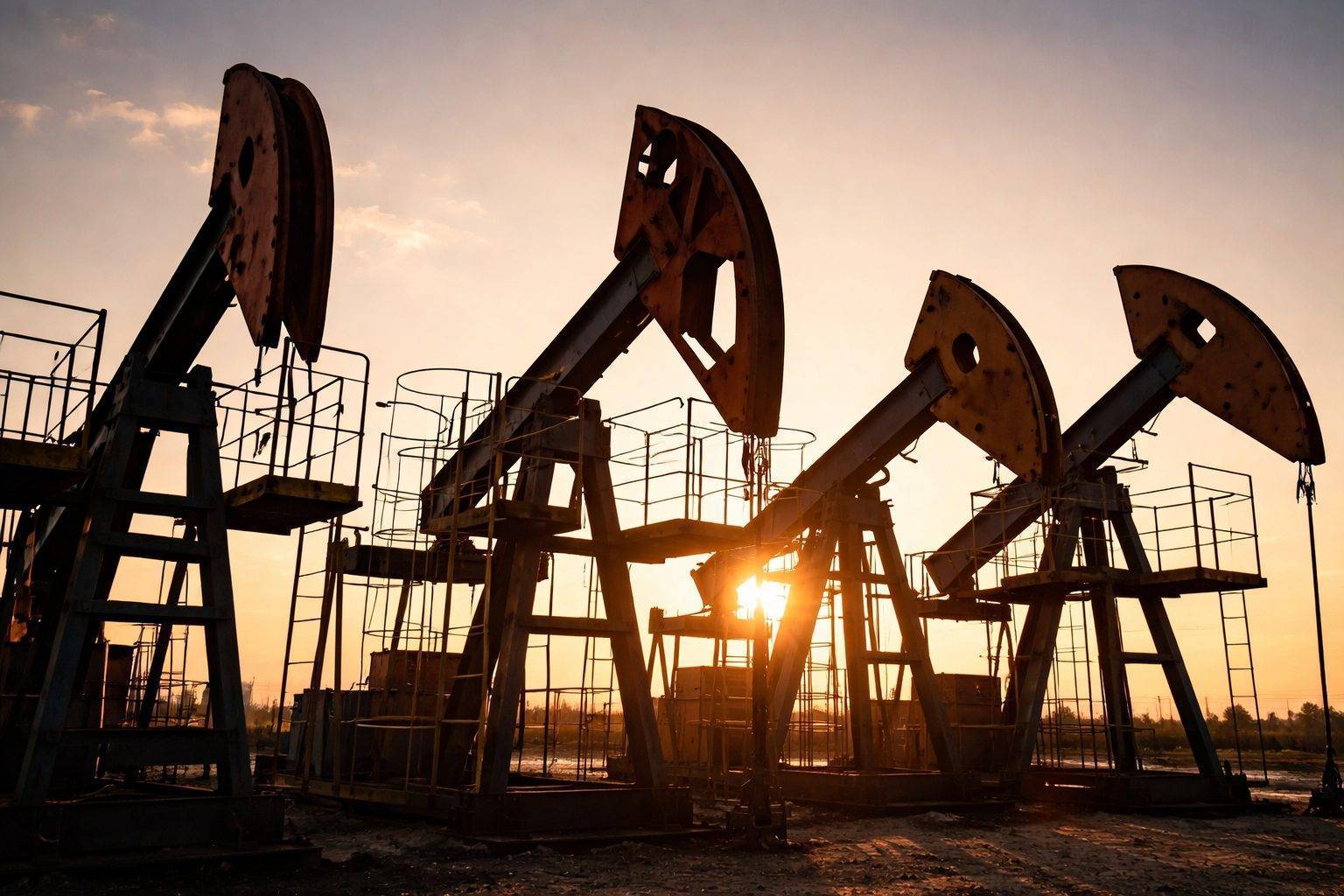
Brent crude futures dropped 68 cents, nearly 1%, to $70.03 a barrel by 0958 GMT on Friday. The move came after U.S. President Donald Trump hinted at possible talks with Iran, easing worries about supply disruptions. The March contract expires later Friday; meanwhile, the more active April contract slid 80 cents, or 1.15%, to $68.79. U.S. West Texas Intermediate (WTI) also dipped 72 cents, or 1.1%, to $64.70. “Trump’s willingness to give diplomacy a chance regarding Iran … makes a U.S. military intervention less likely than yesterday,” said PVM analyst Tamas Varga, who cited a stronger dollar and bouncing supply as factors behind the profit-taking. Reuters
The dip comes just ahead of Sunday’s OPEC+ meeting, where five delegates told Reuters they expect the group to maintain its hold on output increases for March, despite Brent climbing back above $70 amid Iran concerns. Brent has surged to nearly $72 a barrel, its highest level since August. The eight producers behind the policy raised quotas by roughly 2.9 million barrels per day from April through December 2025, then paused further hikes from January to March due to softer seasonal demand. Meanwhile, the Joint Ministerial Monitoring Committee will also meet Sunday, but it doesn’t decide production levels.
The day before, Brent jumped 3.4% to close at $70.71 a barrel, marking its highest finish since July 31. This came amid reports that Trump was considering moves against Iran, alongside the EU imposing fresh sanctions on Tehran over its crackdown on protests. PVM analyst John Evans flagged the key risk: “The immediate concern … is … it closes the Strait of Hormuz,” a crucial passage handling around 20 million barrels a day of oil. The spike pushed Brent into “overbought” territory—a technical sign of a rapid price surge—and widened its premium over WTI to $5.30 a barrel. That gap could incentivize more U.S. crude exports. Reuters
Friday’s action felt more like a cautious risk pullback ahead of the weekend than a shift in direction. The front-month expiry added pressure, as traders rolled their positions forward along the curve.
The Iran trade has been quick to react to headlines. Pricing this week factored in a larger “geopolitical premium”—the extra cost reflecting disruption risks—but that can disappear just as quickly if talks make progress.
Currency plays a role as well. When the dollar strengthens, it tends to pressure oil prices since crude is priced in dollars, making it costlier for buyers dealing in other currencies.
Supply signals are tugging in opposite ways. U.S. production is bouncing back following weather-related shutdowns, while Kazakhstan works to steady output after recent interruptions. Both trends ease some of the tightening narrative.
The Brent-WTI spread adds another layer to the story. When the gap widens, U.S. crude can seem cheap enough to export, which may, over time, dampen rallies in global benchmarks as shipments increase.
A Reuters poll of 31 economists and analysts projects Brent crude to average $62.02 a barrel in 2026, predicting that oversupply will eventually overshadow geopolitical factors. Norbert Ruecker, head of economics and next generation research at Julius Baer, noted, “Geopolitics brings lots of noise … the oil market appears to be in a lasting surplus.” The poll estimated the surplus could range from 0.75 to 3.5 million barrels per day. It also anticipates OPEC+ will keep output steady at Sunday’s meeting, following a pause in planned hikes for the first quarter. Reuters
That downside risk works both ways. Should talks with Iran falter or tensions spike, the market could swiftly reprice the risk premium. On the other hand, if surplus barrels pile up and demand falls short, the rally will hit a wall.
Sunday’s OPEC+ decision is in focus, with traders seeking clues on March supply and potential moves following U.S.-Iran talks. Eyes are also on Trump’s upcoming choice for Federal Reserve chair, a key driver for the dollar and, in turn, oil demand.
Related articles: Energy Markets