
New York, May 21, 2026, 13:12 EDT
- Tesla shares traded close to flat in early afternoon in New York after rising earlier, with the stock around $417.
- SpaceX’s IPO filing has turned more attention to how Tesla connects to the rest of Elon Musk’s businesses.
- The next thing for Tesla is to see if it can actually make money from autonomy and AI spending instead of just talking about it in the market story.
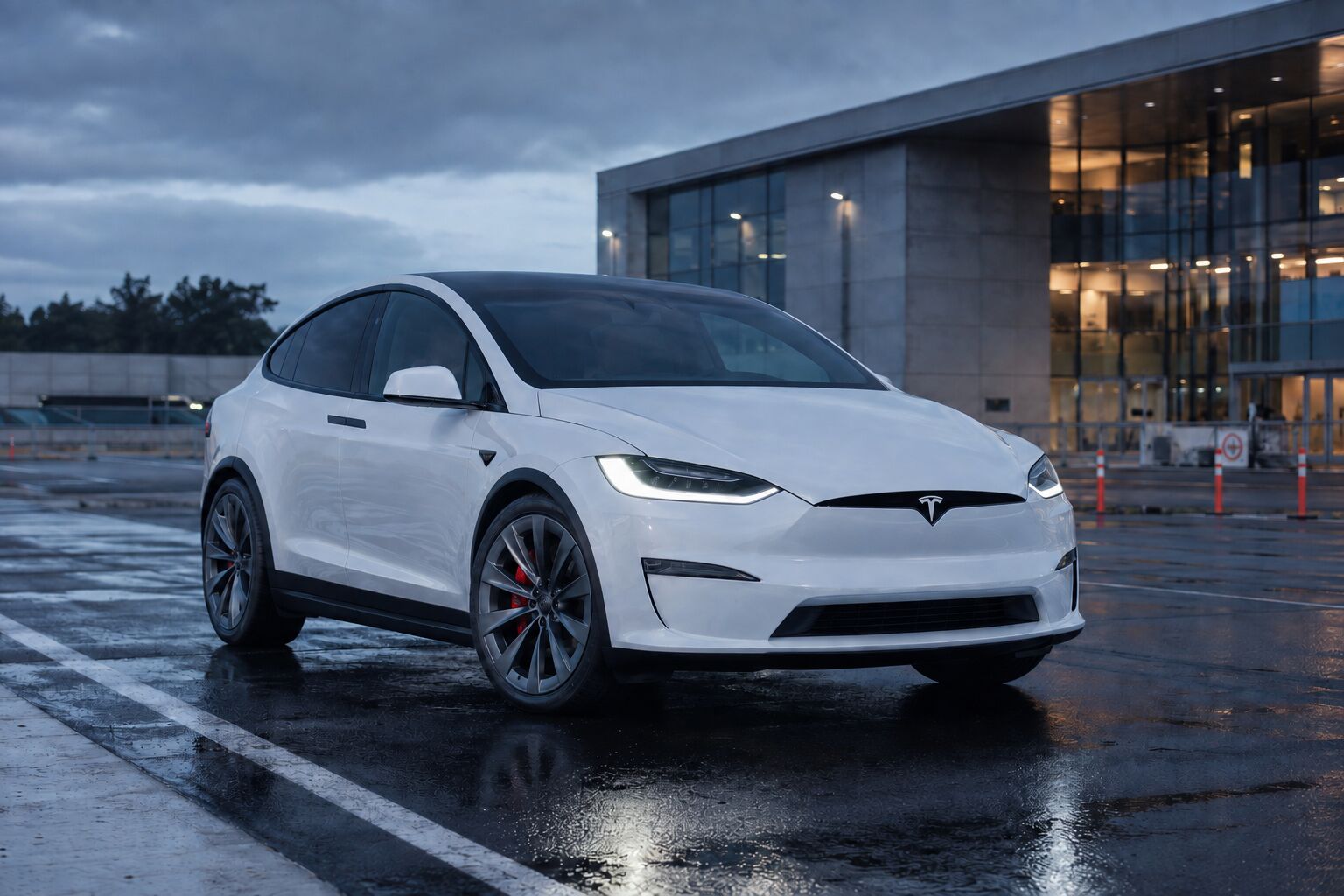
Tesla stock lost ground Thursday after an early rise. Traders looked at a SpaceX IPO filing, fresh details on financial links between Elon Musk’s companies, and Tesla’s new effort to expand its supervised self-driving software beyond the U.S.
Tesla shares traded lower in recent action, off a fraction at $417.23. The stock opened the session at $422.35 and hit $426.79 before slipping. That move kept Tesla pretty much in step with tech stocks overall. SPY, the S&P 500 ETF, dropped 0.3%. QQQ, which tracks the Nasdaq-100, shed 0.5%.
Tesla’s market cap has for years depended on bets on artificial intelligence, robotaxis, and software—more than just selling cars. Now, with SpaceX planning to go public, that could feed into the Tesla narrative or offer investors a different Musk play besides Tesla shares.
SpaceX filed for an IPO Wednesday, moving toward a public share sale. Reuters said the company chose Nasdaq. Analysts and traders discussed if Tesla’s “Musk ecosystem” premium could get a boost from the listing or if it might take away from it. Reuters
Dan Ives, who runs tech research at Wedbush Securities, said he expects SpaceX and Tesla to “eventually merge into one company” in 2027. On the other side, proprietary trader Dennis Dick at Triple D Trading questioned if Tesla will “lose some of the luster” if investors get “another way to play Elon Musk.” Reuters
Tesla investors got plenty of numbers in the filing. SpaceX and xAI spent about $650 million with Tesla last year, Reuters said, buying $506 million in Megapack battery systems and $131 million in Cybertrucks. Tesla now holds close to 19 million SpaceX Class A shares after putting in $2 billion.
Tesla’s latest quarterly filing showed a $2.00 billion investment in SpaceX common stock in March, along with $87 million in revenue from SpaceX’s purchase of Megapack products in Q1. Both deals are related-party transactions, involving companies with common ties among executives, directors or owners. They could face added scrutiny as SpaceX heads for the public market.
Tesla’s main business remains key. First-quarter revenue was $22.39 billion, up 16% year over year. Net income to common stockholders came in at $477 million. The company delivered 358,023 vehicles in the quarter and deployed 8.8 gigawatt-hours of energy storage.
Tesla’s spending is climbing. The company reported $2.49 billion in capital spending for the first quarter. Tesla now forecasts over $25 billion in capex for 2026, with most of the increase coming from AI projects, compute infrastructure, new data centers, manufacturing lines, and expansion of charging and service.
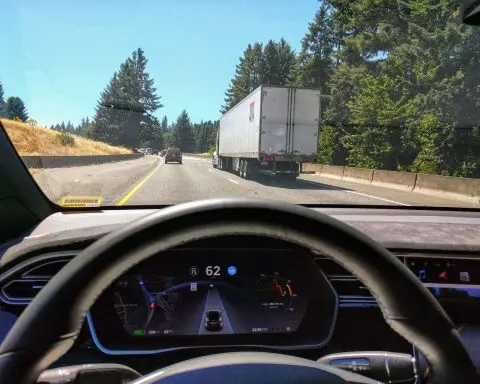
Tesla’s Full Self-Driving Supervised option is now offered in China and other markets, according to CnEVPost. The company says the system, which is its advanced driver-assistance package, still needs the driver to keep supervising and does not make Teslas autonomous. CnEVPost The China move helped keep Tesla shares on traders’ radar.
Xpeng, which competes with Tesla in China, said Monday it started mass production of its first robotaxi in Guangzhou. The company aims to have fully driverless service by early 2027, according to Reuters. That raises the stakes for Tesla’s own China software push, which is now about more than just regulatory hurdles—paid autonomy features are turning into a head-to-head race in the biggest car market.
Musk isn’t changing his target. He said this week that cars without human safety drivers should start showing up in more places in the U.S. later this year, and he expects AI to handle “probably 90% of all distance driven” in five to 10 years. Reuters reported that Tesla is already running robotaxis in Austin, Dallas and Houston, but said its own reporters faced long waits and that rides weren’t always available in recent tests. Reuters
SpaceX going public could pull some Musk-focused money away, while Tesla’s ties with related parties might raise fresh governance questions. Delays on robotaxis, China software, or AI infrastructure also threaten to make Tesla’s big spending harder to justify for investors. Right now, the stock isn’t moving much: it jumped early but is back close to flat, with less action than headlines suggest.
Related articles: NASDAQ:TSLA