
New York, June 10, 2026, 5:03 p.m. EDT
- Joby Aviation ended the session at $8.86, falling 4.47%. Shares stayed close to their lows after a wider pullback.
- CFO Rodrigo Brumana sold 78,489 shares through a pre-set 10b5-1 trading plan, according to a new SEC filing.
- Certification is still the big question for investors. Joby is looking to use its FAA advances and pilot access from the federal program to launch early operations this year.
Joby Aviation (JOBY) shares dropped Wednesday, down 4.47% to close at $8.86. Investors faced both a rough day for speculative growth names and an insider-sale filing from Joby’s chief financial officer. Volume came in at 28.56 million shares, with JOBY trading between $8.83 and $9.33, Google Finance data showed.
Traders reacted even though Joby hadn’t announced any new certification or commercial-launch news in the last day. The company newsroom had its latest items from May 15 and May 5, so market pressure, valuation, and filings, not a new operational development, drove action.
Joby Aero, Inc.’s latest Form 4 caught some notice. CFO Rodrigo Brumana unloaded 78,489 shares on June 4 at a weighted-average of $11.30 a share. After that, he still holds 81,694 shares directly, the filing showed. The sale was done under a 10b5-1 trading plan, which lets execs schedule trades.
A related Form 144 filing listed 78,489 shares with a total market value of $897,129.27 flagged for possible sale. The document also listed 983,642,852 shares outstanding, so it’s a small portion of the overall base. Even so, headlines about insider sales can drag when the stock is already weak.
Markets slid. Major U.S. indexes dropped over 1% on Wednesday, Reuters said, as new U.S.-Iran worries kept investors uneasy and sectors with steep valuations took a hit. That kind of market is often tough for stocks like Joby, which trade on future commercialization hopes more than on earnings now.
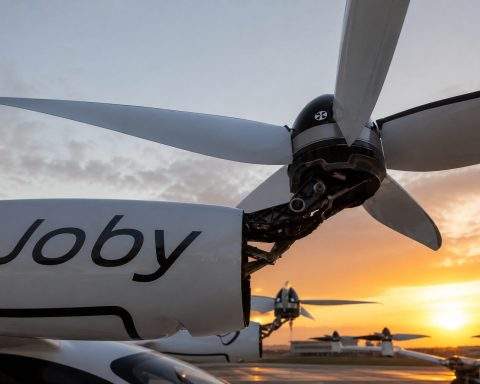
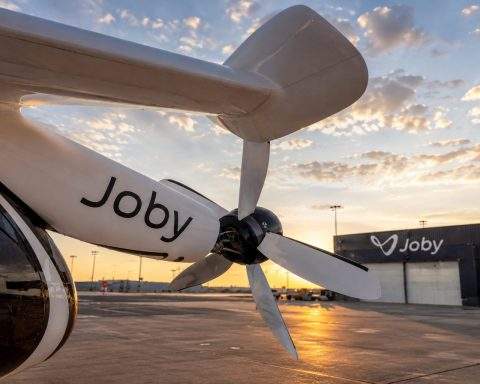
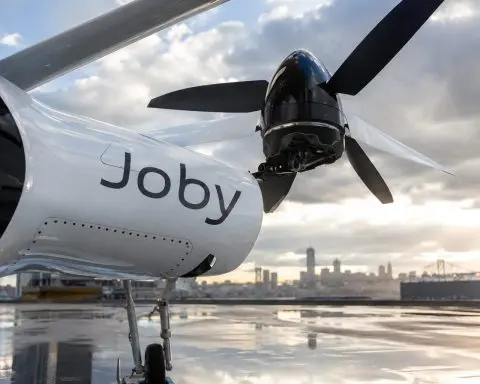
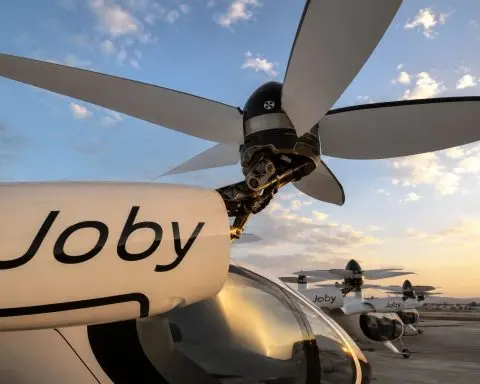
Joby is still deep in certification and launch. The company’s aircraft is an eVTOL—an electric model that takes off and lands vertically, designed for short flights in cities or nearby regions. In its first-quarter update, Joby reported its first FAA-conforming aircraft had flown, that it cleared a key FAA certification audit, and that early operations should begin in 2026 as part of an eVTOL Integration Pilot Program backed by the White House in up to 11 states.
The stock can swing a lot, even when there’s no fresh press release. Investors are betting on whether Joby can turn test flights, meetings with regulators, and steps in manufacturing into revenue. At the end of March, the company had about $2.47 billion in cash, cash equivalents and short-term investments. That gives Joby a decent buffer as it pushes toward certification and ramps up production.
Joby is still burning cash. The company posted a $109.95 million net loss for the first quarter, up from a $82.41 million loss in the same period last year. Research and development expense jumped to $177.5 million as work picked up in aircraft engineering, software, prototype manufacturing, and certification.
Joby brought in $24.2 million in first-quarter revenue, but it’s not from the air-taxi service investors are focused on. The bulk came from passenger service connected to Blade, with the rest from engineering services and rental fees. For now, the market is looking to certification and early commercial flights as the real driver for the shares, not the numbers in this quarter’s report.
Joby’s risk is clear: Any slip in FAA certification, higher production costs, or slow approvals for vertiports, pilot training, or operations could leave the company needing more time and extra cash for its air-taxi plan. Joby’s own filing said changes to FAA rules or missed authorizations could delay the launch of commercial flights, and that if it needs more money, future funding might not come on terms the company wants.
CFO selling is in focus and explains why insider trades are a topic, but that doesn’t end the investment debate. The actual next test for JOBY is if its FAA-conforming aircraft gets into certification tests, and if the federal pilot program kicks off real early operations before investors lose patience with ongoing cash burn.
Related articles: NYSE:JOBY