
New York, June 10, 2026, 18:05 ET
- Nvidia dropped to $200.42 with chip names pulling the market down.
- Nvidia shares dropped even with new signs of solid AI-chip demand from both TSMC and the company’s own May results.
- Investors are trying to decide if the cheaper valuation is a chance to buy or a signal the AI trade is running out of steam.
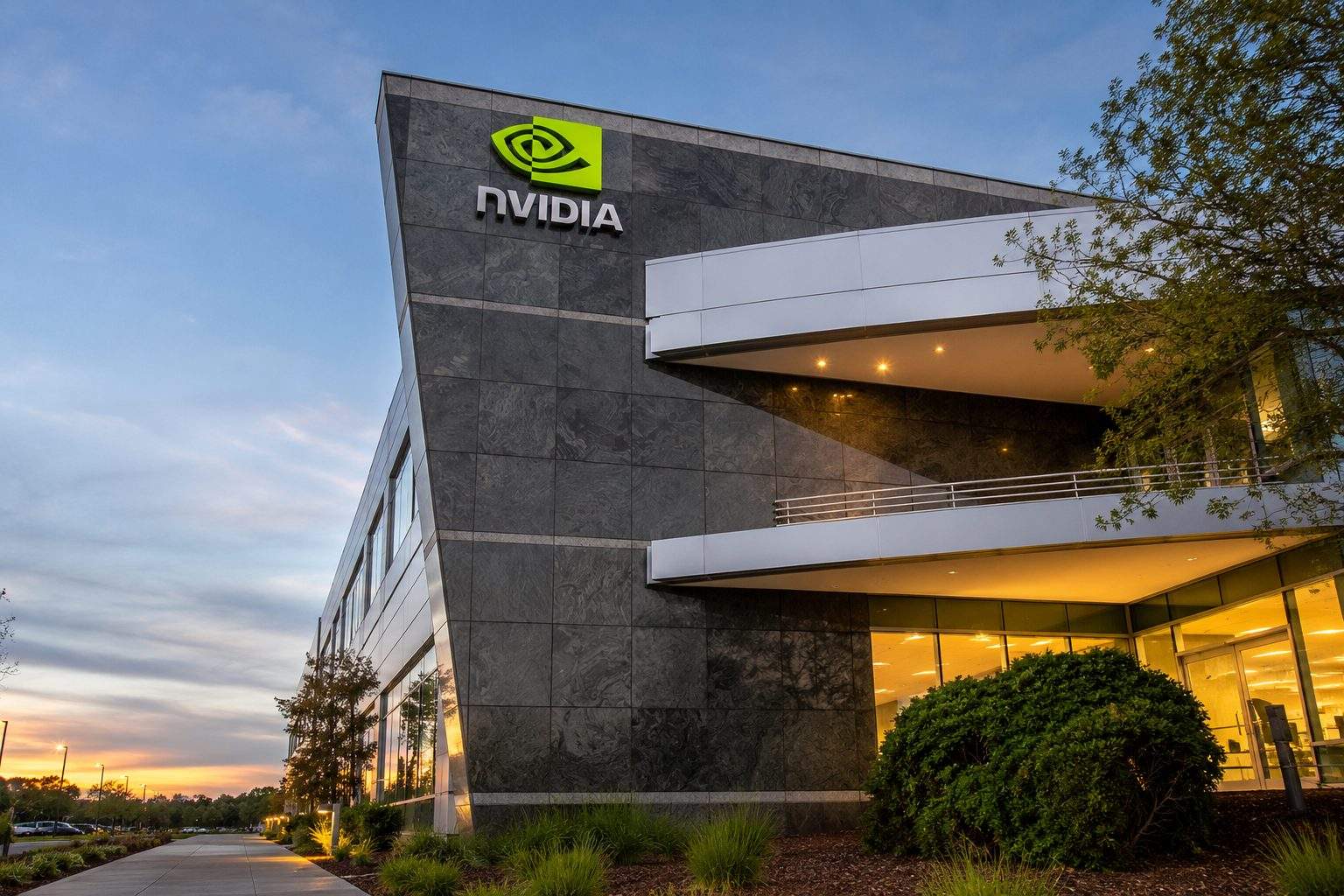
Nvidia Corporation shares slid on Wednesday, with chip stocks losing ground as the market shifted from AI demand to what buyers are paying for that growth. Nvidia traded as low as $199.48 before ticking up to $200.42, down $7.81. Trading volume passed 160 million shares.
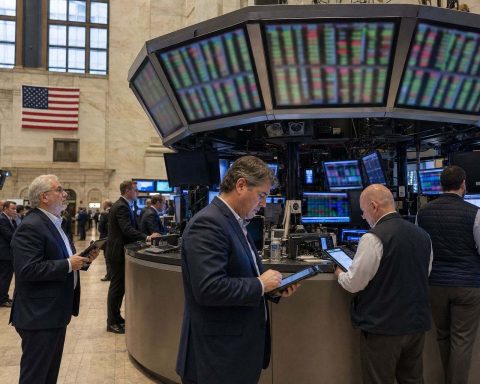
Nvidia shares slid, but not on new earnings or product news. The stock got hit as chips were repriced across the board. Reuters said the Philadelphia semiconductor index dropped 3.6%. Nvidia and Broadcom were among top weights on the S&P 500. The S&P 500 tech sector closed 11% under its June 2 high, officially in correction territory — Wall Street’s term for a drop of 10% or more.
Investors faced a major reset Wednesday. A stock that had run up on AI revenue growth was hit and started acting like a regular tech name tied to rates, geopolitics and crowded trades. The Nasdaq slid 1.98%, the S&P 500 lost 1.62%, and the Dow fell 1.87% after chip stocks came under pressure.
The selloff landed right as Taiwan Semiconductor Manufacturing Company posted a strong sales update. The chip giant said May revenue jumped 30.1% on the year to NT$416.98 billion. Sales for January to May climbed 30.0% to NT$1.96 trillion. TSMC’s monthly numbers are watched for clues on chip demand.
Nvidia’s drop stood out. Investors didn’t hear that AI demand collapsed, but they’re asking if the market can keep paying top prices for AI leaders now that inflation, oil, and rates are cutting into growth stocks.
Nvidia posted fresh highs in its latest earnings. The chipmaker reported $81.6 billion in fiscal first-quarter revenue on May 20, an 85% jump from the same quarter last year. Data Center sales, which track to big AI compute systems, surged 92% to $75.2 billion. For its fiscal second quarter, Nvidia projected about $91.0 billion, give or take 2%. That forecast doesn’t include any Data Center compute revenue from China.
Chief Executive Jensen Huang called the demand environment massive after the results came out. “The buildout of AI factories — the largest infrastructure expansion in human history — is accelerating at extraordinary speed,” he said. AI factories here means data centers made for training and running artificial intelligence models. NVIDIA Newsroom
Nvidia told investors it’s returning more cash. The company reported it sent back roughly $20 billion to shareholders through buybacks and dividends in the first quarter. Nvidia also boosted its share repurchase authorization by $80 billion and increased its quarterly dividend to 25 cents from 1 cent a share. Buybacks cut shares outstanding, which can push up EPS if profits stay strong.
Nvidia’s valuation has shifted. The forward price-to-earnings ratio dropped to 19.7 after the pullback, Barron’s reported Wednesday, putting it under the S&P 500’s 20.4. That’s a change from during Nvidia’s sharper run.
Some investors say Nvidia looks cheap, considering it’s still putting up parts of its business growing earnings by triple digits. Others see the lower multiple as a warning, with the market discounting risks: less AI infrastructure spending, stricter export rules, higher input costs, or just too much money in one crowded trade.
Macro pressures stayed obvious. Tom Hainlin, investment strategist at U.S. Bank Wealth Management, told Reuters that investors are “pricing in maybe a higher interest rate” off the latest economic data and concerns about the war. U.S. consumer prices climbed 4.2% over the 12 months to May, Reuters said, which kept up the rate pressure. Reuters
Nvidia’s strong fundamentals may not be enough to keep the stock moving higher. In its latest quarterly filing, Nvidia said its revenue is still heavily tied to a handful of key customers. Three direct customers made up 21%, 17% and 16% of total revenue for the fiscal first quarter. The company also flagged risks from geopolitical issues, reliance on outside manufacturing and testing, competition, product development, plus possible legal or regulatory changes that could hit results.
Broadcom dropped in the selloff, stirring more worry since it’s a major AI chip supplier. TSMC’s May revenue came in strong, a sign supply-chain demand is still holding up. But the gap between upbeat business data and weak stock moves is pushing focus to Nvidia’s coming catalyst: Not if AI demand is there, but whether investors think the $91 billion revenue forecast for this quarter can hold up against higher rates, China curbs and the broader pullback from crowded tech names.
Related articles: NASDAQ:NVDA