
RICHMOND, Virginia, May 7, 2026, 15:01 EDT
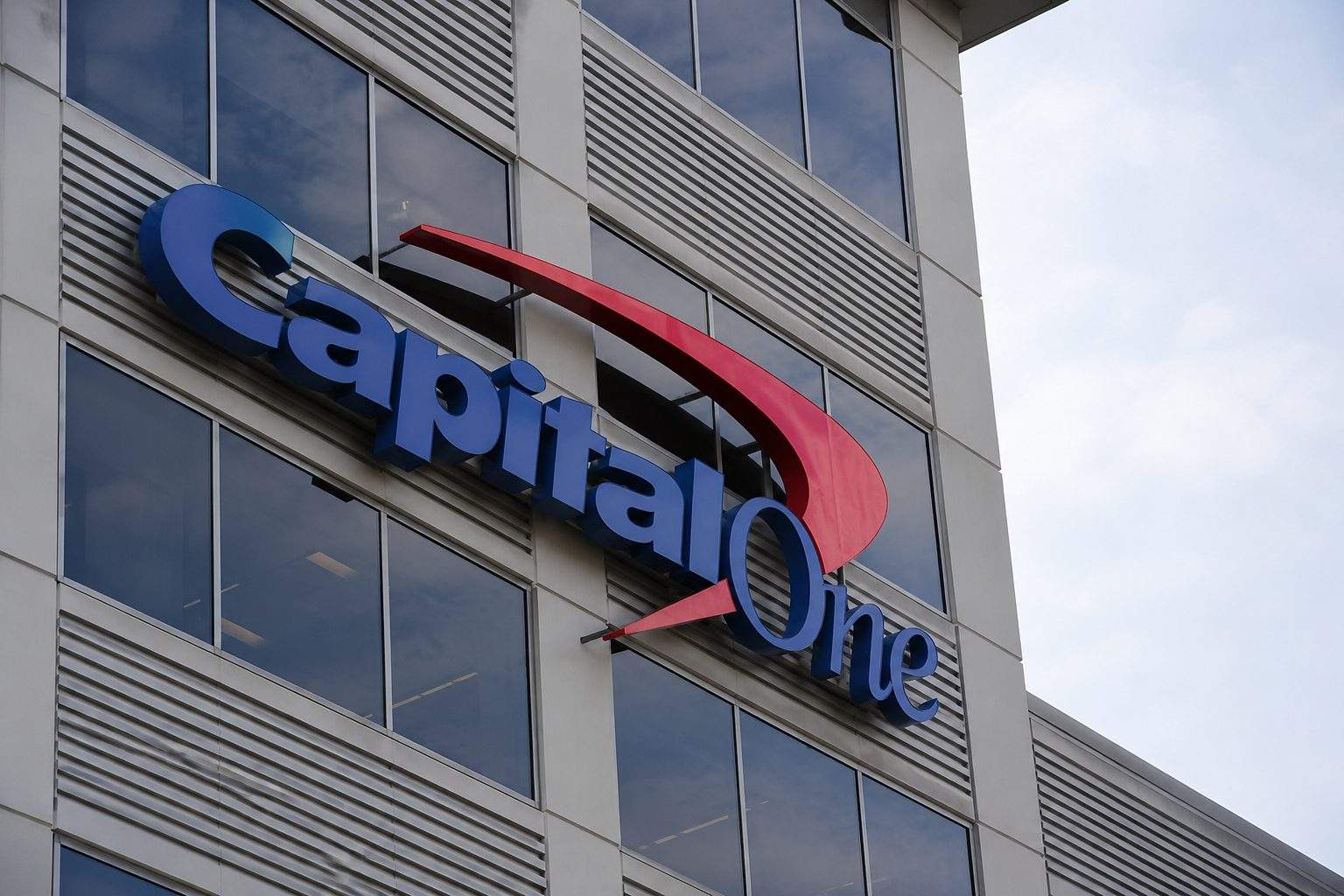
Capital One is the target of a proposed class action in Virginia federal court, with plaintiffs NTech Consulting LLC and Nikhil Navkal accusing the bank of wiping out earned credit-card rewards when customer accounts were closed. The suit, filed against Capital One N.A., landed in the U.S. District Court for the Eastern District of Virginia.
Timing is key here. The rewards lawsuit is back in the spotlight, resurfacing just under three weeks since the same federal district signed off on a $425 million settlement tied to Capital One 360 Savings accounts. Barring an appeal, payments are on track for around July 27.
These are distinct cases. Still, each one lands the same core question before courts and banking customers: if a bank advertises a financial perk, how far can it go in shifting the terms after the fact?
According to the rewards complaint, Capital One canceled customers’ rewards using a policy it hadn’t disclosed—sometimes even if the account wasn’t in default. The plaintiffs want to stand in for cardholders who lost out on cash-back or miles after their accounts were closed, arguing they never got all the rewards they say were owed.
Navkal and NTech allege they used a Capital One Spark Cash Plus card that advertised 2% cash back along with bonus rewards. According to the complaint, Capital One acknowledged $8,000 in spend-bonus rewards but shut down the account on July 21, 2025, pointing to activity it called “inconsistent with typical customer account usage.” The plaintiffs claim they also missed out on a $150 annual-fee reward and $2,437.39 in 2% purchase rewards.
The suit alleges breach of contract, unjust enrichment, and violations of both New York General Business Law and the Equal Credit Opportunity Act, along with Regulation B, which implements that federal statute. Plaintiffs are pushing for a jury trial, asking for damages and a court mandate forcing changes in company practices.
Rewards play a central role for card issuers. The Consumer Financial Protection Bureau reported in 2024 that, as of 2019, over 90% of general-purpose credit card spending happened on rewards cards. Consumers racked up more than $40 billion in rewards through major general-purpose cards in 2022.
That adds to the rivalry. Capital One, American Express, Bank of America, and other major card issuers lean heavily on rewards programs to attract and hold onto customers. The CFPB has flagged both American Express and Bank of America for what it called unfair or deceptive practices tied to rewards.
Capital One has denied any wrongdoing in the 360 Savings settlement, and the court hasn’t found it liable either. According to the settlement website, the agreement will see $425 million set aside for both current and former 360 Savings account holders. Capital One will also be required to match the 360 Performance Savings rate for those customers from now on.
Lawyers are paying close attention to the rewards case, and the settlement dispute is a big reason. “When you have a lot of serious government lawyers and government agencies all lining up against the settlement,” Ira M. Steinberg, a partner at Greenberg Glusker, told TheStreet, “it draws more scrutiny.” Eric Chaffee, a law professor at Case Western Reserve University, noted that courts used to routinely approve class settlements, but now, rejections are popping up more frequently. TheStreet
The rewards suit hasn’t moved far yet. Right now, it’s just a proposed class action—so far, no certified class, just an attempt to cover more people. Whether the case moves forward as a class still depends on a judge, and Capital One gets its shot to push back. Court records show the complaint and summons hit the docket on April 15.
No rewards settlement, no payout process—at least not yet. The court’s immediate challenge is trickier: it has to decide if Capital One customers can lose rewards they’ve already earned when it’s the bank, not the cardholder, that shuts down the account.


![UK Stock Market Today 28/08/2026 [UPDATE: 08:45 BST] [3i and Miners Lift FTSE Ahead of Warsh Speech]](https://ts2.tech/wp-content/uploads/2026/08/UK-market-dashboard-2026-08-28-0842-480x384.jpg "UK Stock Market Today 28/08/2026 [UPDATE: 08:45 BST] [3i and Miners Lift FTSE Ahead of Warsh Speech]")