
Mach 2 Marvels: The Epic Saga of Dassault’s Mirage Fighter Jets
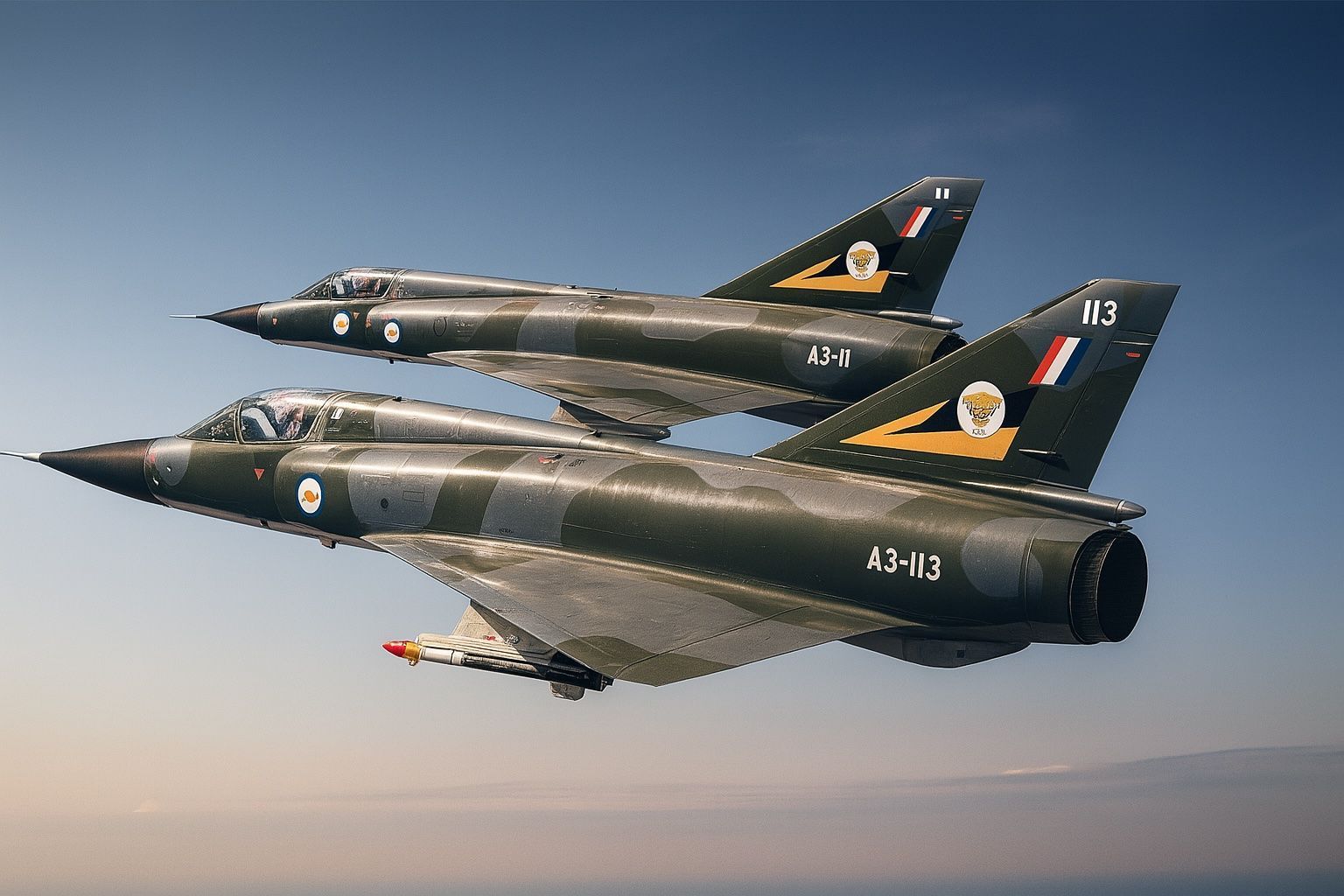
The Dassault Mirage family of fighter jets – from the early Mirage III through the Mirage F1, Mirage 2000, and the ambitious Mirage 4000 – represents one of the most storied lineages in aviation. These French delta-wing warriors carved out a legendary reputation for speed, versatility, and global impact. Born in the Cold War, the Mirage jets combined elegant engineering with ruthless efficacy, seeing combat on multiple continents and serving in dozens of air forces. Today, we’ll explore their historical development, technical evolution, battlefield exploits, global operators, and the strategic legacy of the Mirage series, drawing on expert analysis and veterans’ insights.
TechStock² Updates