Today: 18 July 2026
Browse Category

Night Sky 19 August 2025 - 28 September 2025

Cosmic Showcase: What’s Up in the Sky on Sept 28–29, 2025

Cosmic Showcase: What’s Up in the Sky on Sept 28–29, 2025

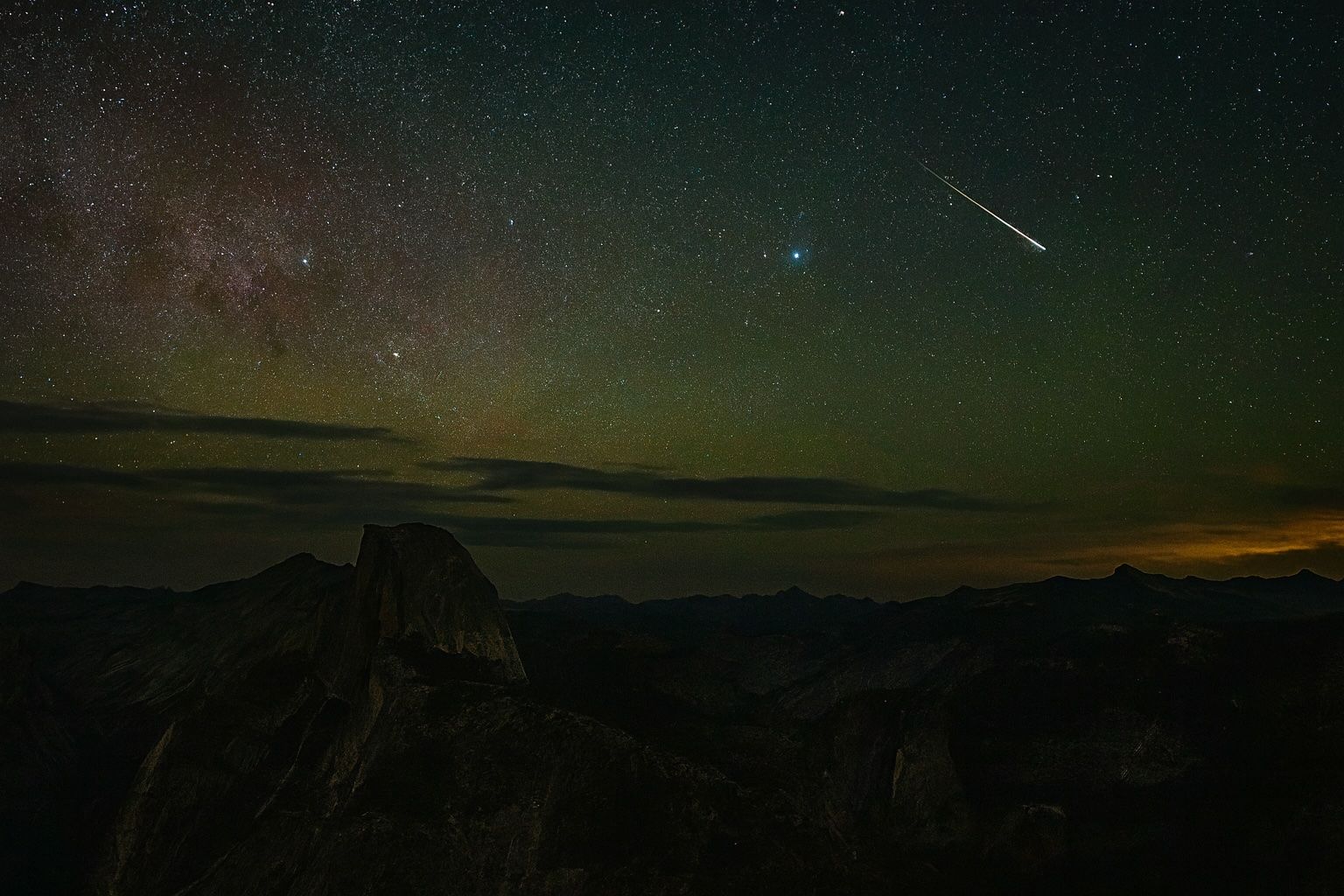
This weekend’s meteor activity will be modest. No major shower peaks on Sept 28–29. The Orionids have just started but are weak – current rates are well under 1 meteor/hour and won’t peak until Oct. 23 amsmeteors.org. The only notable shower is the Southern Taurids, active Sept 23–Nov 12 with a broad radiant. AMS predicts a Southern Taurid rate of about 3/hour around local midnight amsmeteors.org. All other named showers are producing
28 September 2025
Saturn Dazzles, New Comet Rises, and Auroras Loom: Skywatch Alert for Sept 24–25, 2025

Saturn Dazzles, New Comet Rises, and Auroras Loom: Skywatch Alert for Sept 24–25, 2025

If you step outside on these late-September nights, Saturn immediately grabs your attention. The ringed planet reached opposition on September 21, and it remains exceptionally bright and gorgeous in the sky planetary.org. At opposition Saturn is closest to Earth for the year, so it shines at maximum brilliance and is visible all night, rising around sunset and setting near dawn. “Saturn will be at its closest and brightest all year!” as NASA explains science.nasa.gov – truly the best time to enjoy this gas giant.
24 September 2025
Equinox Sky Alert: Northern Lights, Planet Parade & More Dazzle Sept 22–23, 2025

Equinox Sky Alert: Northern Lights, Planet Parade & More Dazzle Sept 22–23, 2025

Monday, September 22 marks the autumnal equinox, the moment the Sun crosses Earth’s equator. Day and night are nearly equal in length across the globe during an equinox earthsky.org. In 2025 this happens at 18:19 UTC on Sept 22 earthsky.org earthsky.org. For the Northern Hemisphere, it’s the first day of autumn; for the Southern Hemisphere, spring begins earthsky.org. Equinoxes are more than just a date on the calendar – they also have an interesting side effect for skywatchers: an “equinox effect” that can amplify the Northern Lights!
22 September 2025
Skywatchers’ Delight: Solar Eclipse, Saturn’s Brightest Night & Equinox Auroras (Sept 21–22, 2025)

Skywatchers’ Delight: Solar Eclipse, Saturn’s Brightest Night & Equinox Auroras (Sept 21–22, 2025)

An impressive partial solar eclipse will greet early-risers on Sunday, Sept 21, 2025. This eclipse is “deep” – at peak about 85% of the sun’s disk will be covered by the moon earthsky.org. The eclipse path spans the South Pacific, including much of New Zealand, a thin slice of eastern Australia’s coast, parts of Antarctica, and various Pacific islands space.com. In these regions the event happens around local sunrise on the 22nd earthsky.org. Observers there will see the sun rise already partially eclipsed – a spectacular sight if weather permits. Maximum obscuration occurs at 19:41 UTC on Sept 21 earthsky.org. By the time the moon’s shadow departs Earth at 21:53 UTC, the sun will gradually return to full brightness earthsky.org.
21 September 2025
Cosmic Show This Weekend: Rare Meteors, Planet Parade & More (Sept 12–13, 2025)

Cosmic Show This Weekend: Rare Meteors, Planet Parade & More (Sept 12–13, 2025)

“We’re in a stargazer’s sweet spot,” writes Mark Laurin, an astronomy guide known as “Astro Mark.” “The September sky is full of magic… the night air is still comfortable but with a mere hint of wispy chill” aspentimes.com. Indeed, the nights of September 12–13, 2025 promise a cornucopia of celestial sights. From rare meteors and bright planets to ghostly auroras and satellite flybys, there’s plenty to delight skywatchers worldwide during this period. The following is an up-to-date guide to all the notable sky events and phenomena you can observe on these dates, with expert insights on how to catch them.
12 September 2025
Don’t Miss These Night Sky Spectacles on Sept 11–12, 2025: Meteor Shower, Auroras & Planet Parade

Don’t Miss These Night Sky Spectacles on Sept 11–12, 2025: Meteor Shower, Auroras & Planet Parade

If you’re hoping to wish upon a shooting star this week, temper your expectations – no major meteor showers peak on exactly Sept 11–12. The only ongoing shower is the September Epsilon Perseids, a minor display active from about Sept 5 to 21 space.com. This shower peaked around the morning of Sept 9 with at best ~5 meteors per hour under ideal dark skies space.com. In practice, the bright Moon has severely limited the count – observers likely saw only a few meteors each hour even at peak space.com. As we move past the peak, Epsilon Perseid activity will dwindle to perhaps only a handful of meteors over the entire night.
11 September 2025
Little-Known Meteor Shower to Light Up September Skies – Your Guide to the Epsilon Perseids 2025

Little-Known Meteor Shower to Light Up September Skies – Your Guide to the Epsilon Perseids 2025

Mark your calendars for the night of September 8–9, 2025. That is when the September Epsilon Perseids meteor shower reaches its peak activity. In 2025 the predicted peak occurs around 8 a.m. Eastern Daylight Time on Sept. 9 space.com. This timing means that for skywatchers in the Americas, the pre-dawn hours of Tuesday, Sept. 9 are prime viewing. Even though the exact peak is during daylight for Europe/Africa, anytime after nightfall on Sept. 8 into the early hours of Sept. 9 is likely to offer the most meteors. You may also catch a few stragglers on the mornings just before and after the 9th, since the shower remains active for about a week on either side ts2.tech.
10 September 2025
Cosmic Spectacle Alert: Auroras, Meteor Shower & Planetary Parade Dazzle Sept. 10–11, 2025

Cosmic Spectacle Alert: Auroras, Meteor Shower & Planetary Parade Dazzle Sept. 10–11, 2025

After an unexpected geomagnetic storm dazzled skywatchers in early September, the Northern Lights remain a top attraction for those in northern regions. Over Labor Day weekend, a potent “cannibal” solar eruption hit Earth’s magnetic field, sparking auroras as far south as Illinois and Oregon in the U.S. space.com space.com. “Impact is expected by late September 1. G2+ conditions possible,” explained Dr. Tamitha Skov, a space weather physicist, as she noted that one fast coronal mass ejection overtook another to intensify the storm space.com. The result was a geomagnetic storm that briefly reached G3 levels space.com space.com, treating millions to rare mid-latitude auroras.
10 September 2025
Skywatch Alert: Meteors, Auroras & Planet Parade on Sept. 9–10, 2025

Skywatch Alert: Meteors, Auroras & Planet Parade on Sept. 9–10, 2025

An annual meteor shower is gracing the early-September skies – albeit a minor one. The September Epsilon Perseids are active from about Sept. 5 to 21 in-the-sky.org as Earth drifts through debris left by an unidentified comet. This shower is not to be confused with August’s famous Perseids; the September Epsilon Perseids are much fainter and produce far fewer meteors space.com space.com. In 2025, peak activity is expected around 8 a.m. EDT on Sept. 9 space.com in-the-sky.org. That timing means the best chances to see meteors come in the predawn hours of Sept. 9, though the mornings before and after could also yield a few shooting stars.
9 September 2025
Don’t Miss This Weekend’s Cosmic Spectacle: Meteor Showers, Planets & a ‘Blood Moon’ Eclipse (Sept 5–6, 2025)

Don’t Miss This Weekend’s Cosmic Spectacle: Meteor Showers, Planets & a ‘Blood Moon’ Eclipse (Sept 5–6, 2025)

This weekend’s moon will be a brilliant full Corn Moon, traditionally named for the harvest season starwalk.space. It rises just after sunset and floods the night with silver light – so bright it may outshine fainter stars and meteors. Notably, the Moon will appear near golden Saturn in the constellation Aquarius; in fact, Saturn’s steady, bright glow will hover close by the Moon on Saturday night starwalk.space. If you have a telescope, take a peek at Saturn – even a small scope can reveal its famous rings while it’s near peak brightness science.nasa.gov.
5 September 2025
Aurora Glow Fades, Planets Dazzle and ‘Corn Moon’ Rises: Skywatch Alert for Sept 4–5, 2025

Aurora Glow Fades, Planets Dazzle and ‘Corn Moon’ Rises: Skywatch Alert for Sept 4–5, 2025

One of this week’s big celestial events was an unexpected aurora display that ventured far beyond the polar regions. A long-lasting solar flare on Aug 30 unleashed a coronal mass ejection toward Earth, sparking a geomagnetic storm that hit on Sept 1–2 ts2.tech ts2.tech. The result: vibrant Northern Lights danced in the sky on those nights, delighting skywatchers much farther south than usual. Observers reported auroral glows in at least 18 U.S. states – sightings came from states like Oregon, Illinois, and New York – and even across the Atlantic in the U.K. Midlands ts2.tech. This was due to the storm reaching G2–G3 strength as the CME buffeted Earth’s magnetic field ts2.tech ts2.tech.
4 September 2025
Skywatch Alert: Aurora Glow, Shooting Stars & Planetary Spectacle Dazzle the Night Sky (Sept 3–4, 2025)

Skywatch Alert: Aurora Glow, Shooting Stars & Planetary Spectacle Dazzle the Night Sky (Sept 3–4, 2025)

Skywatchers have plenty to look for on the nights of September 3–4, 2025. From the lingering afterglow of an aurora outbreak, to a moonlit meteor shower, a nearly-full Moon, bright planets adorning the sky, and even human-made satellites flying overhead – there’s a bit of everything happening. Below we break down all the major sky phenomena to watch for, with tips on when and where to see them. Whether you’re an avid stargazer or just curious and looking up for the first time, the next two nights offer a variety of cosmic sights that are accessible to the general public.
3 September 2025
Skywatch Alert: Auroras, Meteors & Planetary Parade Dazzle the Night Sky (Sept 2–3, 2025)

Skywatch Alert: Auroras, Meteors & Planetary Parade Dazzle the Night Sky (Sept 2–3, 2025)

Skywatchers are in for a treat on the nights of September 2–3, 2025. From spectacular auroral displays dancing in the atmosphere to a parade of planets and even human-made satellites gliding overhead, nearly every corner of the sky has something exciting happening. Below we break down all the major sky phenomena to look for, with tips on when and where to see them. Whether you’re in the northern or southern hemisphere, get ready for an action-packed couple of nights of stargazing!
2 September 2025
Everything You Need to Know About Tonight’s Spectacular Northern Lights

Everything You Need to Know About Tonight’s Spectacular Northern Lights

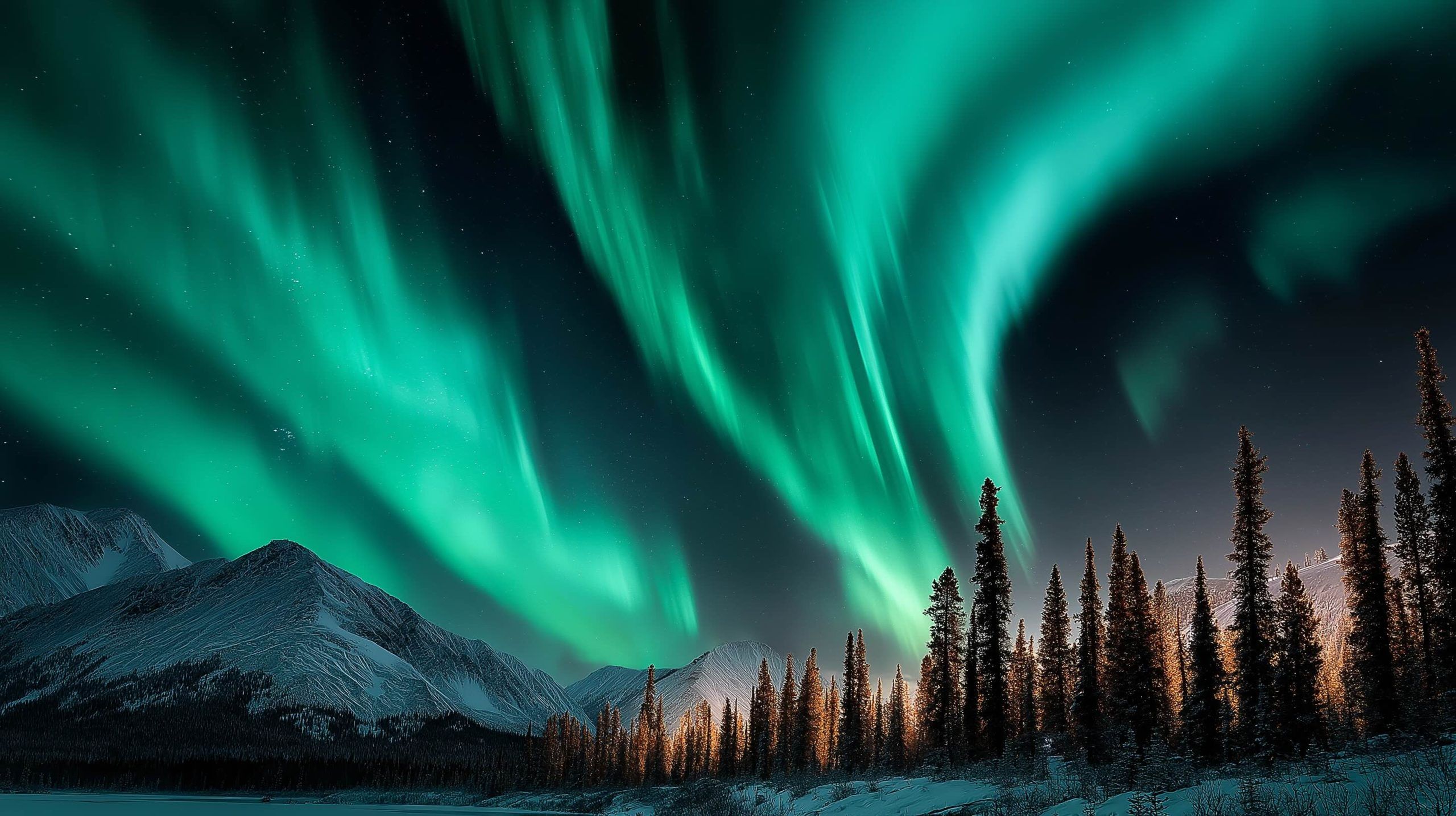
The Northern Lights are a dazzling atmospheric phenomenon caused by disturbances in Earth’s magnetic field – typically from eruptions on the Sun. When the Sun flings off charged particles in a solar flare or CME, those particles stream toward Earth. Our planet’s magnetic field deflects most of them, but some energetic particles funnel down near the North and South Poles ts2.tech. There, they collide with atoms of oxygen and nitrogen high in the atmosphere, “exciting” those gas atoms and making them release photons ts2.tech. The result: shimmering curtains of colored light that dance across the sky.
31 August 2025
Sky Spectacles of September 2025: Blood Moon Eclipse, Double Eclipses & Planetary Pairings

Sky Spectacles of September 2025: Blood Moon Eclipse, Double Eclipses & Planetary Pairings

Total Lunar Eclipse & “Corn Moon”: On the night of September 7, Earth’s shadow will completely engulf the full Moon, causing a total lunar eclipse that lasts about 82 minutes timesofindia.indiatimes.com. During totality, the Moon will dim to a deep reddish hue – hence the dramatic “Blood Moon” nickname nationalgeographic.com earthsky.org. This eerie copper-red color occurs because Earth’s atmosphere scatters blue light and bends some red sunlight into the shadow, painting the Moon in sunset shades science.nasa.gov. “Total lunar eclipses can turn a deep shade of red and are often called a Blood Moon,” explains EarthSky, an astronomy news outlet earthsky.org. The September full Moon is traditionally called the Corn Moon, marking the harvest season in many Native American cultures starwalk.space. For skywatchers across Asia, Australia, Europe, and Africa, this eclipse will be visible in entirety or in part accuweather.com. In fact, Europe, Africa, and Asia get the best view, with the Moon rising already eclipsed in some places and turning red high in the sky in others nationalgeographic.com. Observers in the Americas will miss the eclipse, but they can still enjoy the brilliant full Corn Moon that evening nationalgeographic.com. No special equipment is needed to enjoy a lunar eclipse
31 August 2025
Spectacular Late-August Sky Show: Dark Moon, Meteors, Planets & Satellite Trains on Aug 28–29, 2025

Spectacular Late-August Sky Show: Dark Moon, Meteors, Planets & Satellite Trains on Aug 28–29, 2025

Late August 2025 brings unusually dark skies thanks to a rare Black Moon. The new Moon on Aug. 23 was the third new Moon in a season of four space.com – a configuration that leaves the next days moonless. By Aug 27–28 the slim crescent Moon is just a few days old and sets soon after dusk, so Moonlight won’t drown out fainter night-sky sights ts2.tech.
Aug 27–28 Sky Spectacle: Dark Skies, “Black Moon” Magic & SpaceX Light Shows

Aug 27–28 Sky Spectacle: Dark Skies, “Black Moon” Magic & SpaceX Light Shows

Late August 2025 offers especially dark nights for skywatchers. The new moon on August 23 was the third new moon in a season with four space.com. This means no bright moonlight to outshine the stars on August 27–28. In fact, the slim crescent Moon is just beginning to reappear at sunset, only ~4–5 days old. On the evening of Aug. 26 it made a close pass by Mars in the twilight sky space.com, and on Aug. 27–28 you’ll find the young Moon still hovering low in the southwest after sundown, with ruddy Mars a few degrees to its right. Both set relatively soon after dusk space.com, so catch this pretty pairing early. Observers in lower latitudes will see the Moon and Mars a bit higher and easier in the sky space.com, while those farther north will have them very close to the horizon at nightfall space.com.
27 August 2025
Cosmic Show on Aug 22–23, 2025: Meteors, Planet Parade, Auroras & More

Cosmic Show on Aug 22–23, 2025: Meteors, Planet Parade, Auroras & More

Get ready for a skywatching extravaganza on the nights of August 22–23, 2025. The next 48 hours offer a little of everything: the tail end of the Perseid meteor shower streaking through dark, Moonless skies; a “planet parade” at dawn featuring Venus, Jupiter, Mercury and Saturn; a potential faint glow of the Northern Lights for lucky high-latitude observers; plus dazzling passes of the International Space Station and even “trains” of freshly launched satellites. Space agencies and experts are buzzing – from NASA highlighting a stunning Venus-Jupiter meetup to NOAA issuing recent aurora alerts. Below, we break down each phenomenon and what to watch for, with expert quotes and links to original sources so you can dive deeper. Mark your calendar, set your alarm, and look up – the universe is putting on a show!
22 August 2025
Rare Black Moon Rising Aug. 23 – A Vanishing Moon Brings the Darkest Night of Summer

Rare Black Moon Rising Aug. 23 – A Vanishing Moon Brings the Darkest Night of Summer

On August 23, the night sky will host an unusual lunar event known as a “Black Moon.” You won’t actually see the Moon at all during this rare occurrence space.com – in fact, that’s the whole point. A Black Moon is essentially an extra new moon in the calendar, a once-in-33-month phenomenon livescience.com that turns the night sky especially dark. In this in-depth guide, we’ll explain what a Black Moon is, why it’s so rare, the astronomy behind it rising with the sun, and how skywatchers can make the most of this August 23 Black Moon. We’ll also touch on cultural and astrological perspectives surrounding this eerie-sounding event.


20 August 2025
Northern Lights Alert: Rare Aurora Could Dazzle Skies Over 15 States Tonight (Aug 19, 2025)

Northern Lights Alert: Rare Aurora Could Dazzle Skies Over 15 States Tonight (Aug 19, 2025)

Get ready for a rare celestial light show: A minor geomagnetic storm is forecast to make the aurora borealis visible much farther south than usual on the night of August 19, 2025. Skywatchers from Alaska and the Pacific Northwest to the Upper Midwest and New England – potentially even parts of Iowa and northern Illinois – have a chance to glimpse the aurora low on the horizon or dancing overhead in green and purple hues ts2.tech ts2.tech. This event is notable because auroras rarely reach such southerly U.S. latitudes except during stronger solar storms. Below, we break down the science behind the aurora, why tonight’s display is special, where it will be visible, the current space weather conditions, and how to maximize your chances of seeing this natural spectacle.

19 August 2025
Go toTop