Today: 18 July 2026
Browse Category

Night Sky 24 June 2025 - 19 August 2025

Six Planets Will Align in the Sky This Month—Here’s When and How to Watch the Rare “Planet Parade”

Sky Spectacle Alert: Rare Planet Parade Converges with a Black Moon – Here’s What to Know

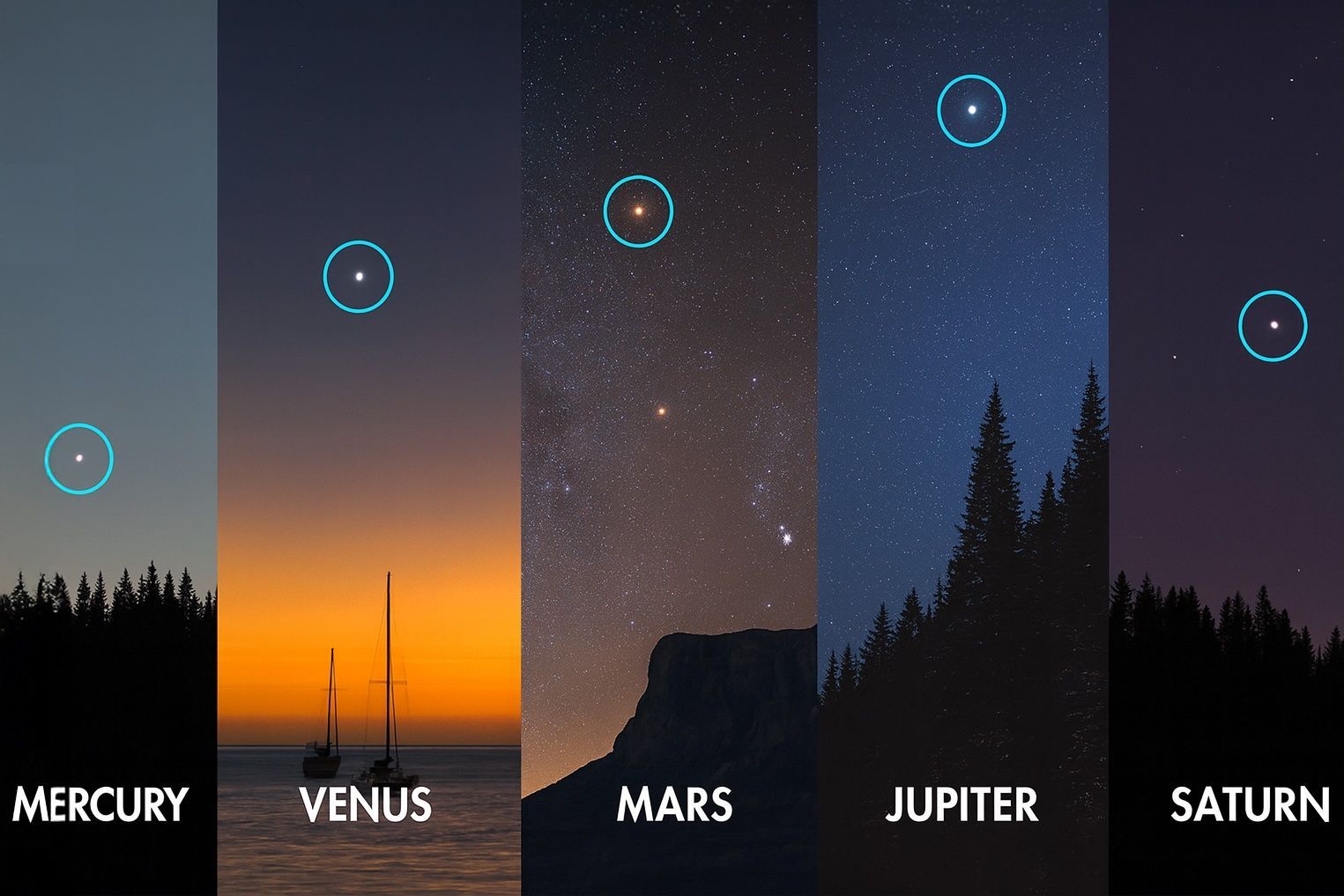
The night sky is gearing up for a double feature that has astronomers and skywatchers buzzing. In late August 2025, a six-planet alignment – popularly dubbed a “planet parade” – will grace the pre-dawn sky just as a rare “Black Moon” darkens the night. This cosmic coincidence offers a unique stargazing opportunity with multiple planets visible at once under moonless, star-studded skies. Below, we break down what these phenomena are, why they’re special, exactly when and where to see them, and how to make the most of this celestial show. We’ll also share expert tips, quotes from astronomers, a roundup of news coverage, and a look at the cultural significance behind such events.
19 August 2025
You Won’t Believe How Easily You Can Spot the ISS – Ultimate International Space Station Viewing Guide

You Won’t Believe How Easily You Can Spot the ISS – Ultimate International Space Station Viewing Guide

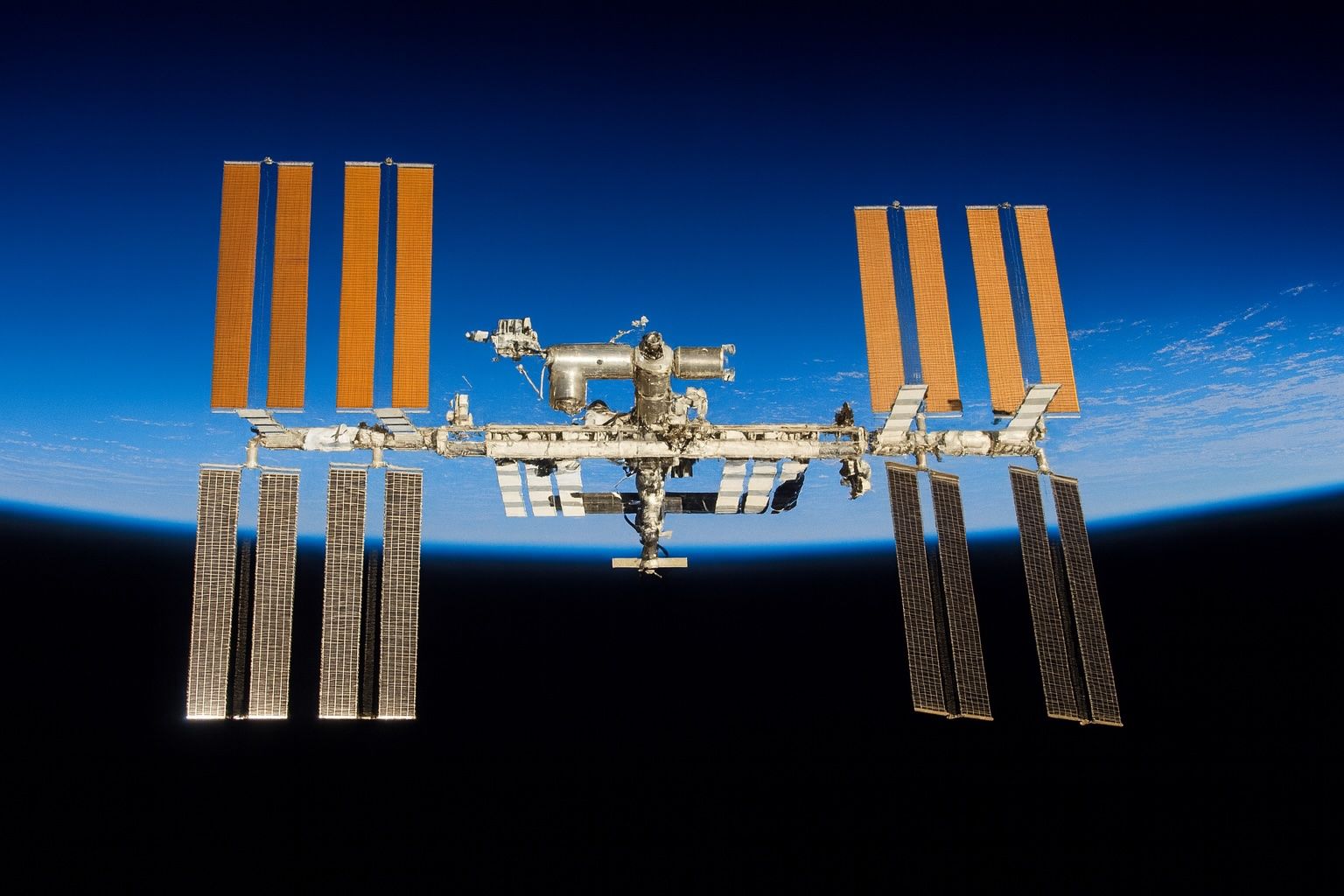
Have you ever noticed a bright, fast-moving “star” gliding silently across the twilight sky? Chances are, you were watching the International Space Station – a football-field-sized science lab orbiting ~250 miles above Earth. Spotting this orbital outpost is easier than you might think, and it’s completely visible to the naked eye when conditions are right accuweather.com asc-csa.gc.ca. In fact, the ISS is often the brightest object in the night sky after the Moon – a shining white dot that doesn’t blink or change direction like an airplane asc-csa.gc.ca. As NASA’s ISS director Robyn Gatens says, “Even after 23 years of continuous human presence aboard the International Space Station, it’s incredibly exciting to see the station when you look up at just the right moment… [it] really isn’t that far out of reach.” nasa.gov. This guide will show you how to watch the ISS from Earth, including when to look, where to look, and which apps and tools can send you alerts so you never miss a flyover. We’ll also explain what you’re seeing when you spot the ISS, ways to follow live ISS video streams, and the latest ISS news as of August 2025 – from upcoming missions to public
16 August 2025
Skywatch Alert: Meteor Fireballs, Auroras & Planetary Spectacles Dazzle the Night Sky (Aug 15–16, 2025)

Skywatch Alert: Meteor Fireballs, Auroras & Planetary Spectacles Dazzle the Night Sky (Aug 15–16, 2025)

Get ready, skywatchers – the nights of August 15–16, 2025 are packed with celestial shows. From shooting star outbursts and potential aurora glows to brilliant planetary alignments and even high-flying satellites, this weekend offers something for everyone. Below is your in-depth guide to all the skywatch alerts and phenomena to expect, with expert insights, viewing tips on when and where to look, and links to official sources for more information.
15 August 2025
Don’t Miss the Cosmic Show: Perseid Meteors, Planetary Duet & Auroras (Aug 13–14, 2025)

Don’t Miss the Cosmic Show: Perseid Meteors, Planetary Duet & Auroras (Aug 13–14, 2025)

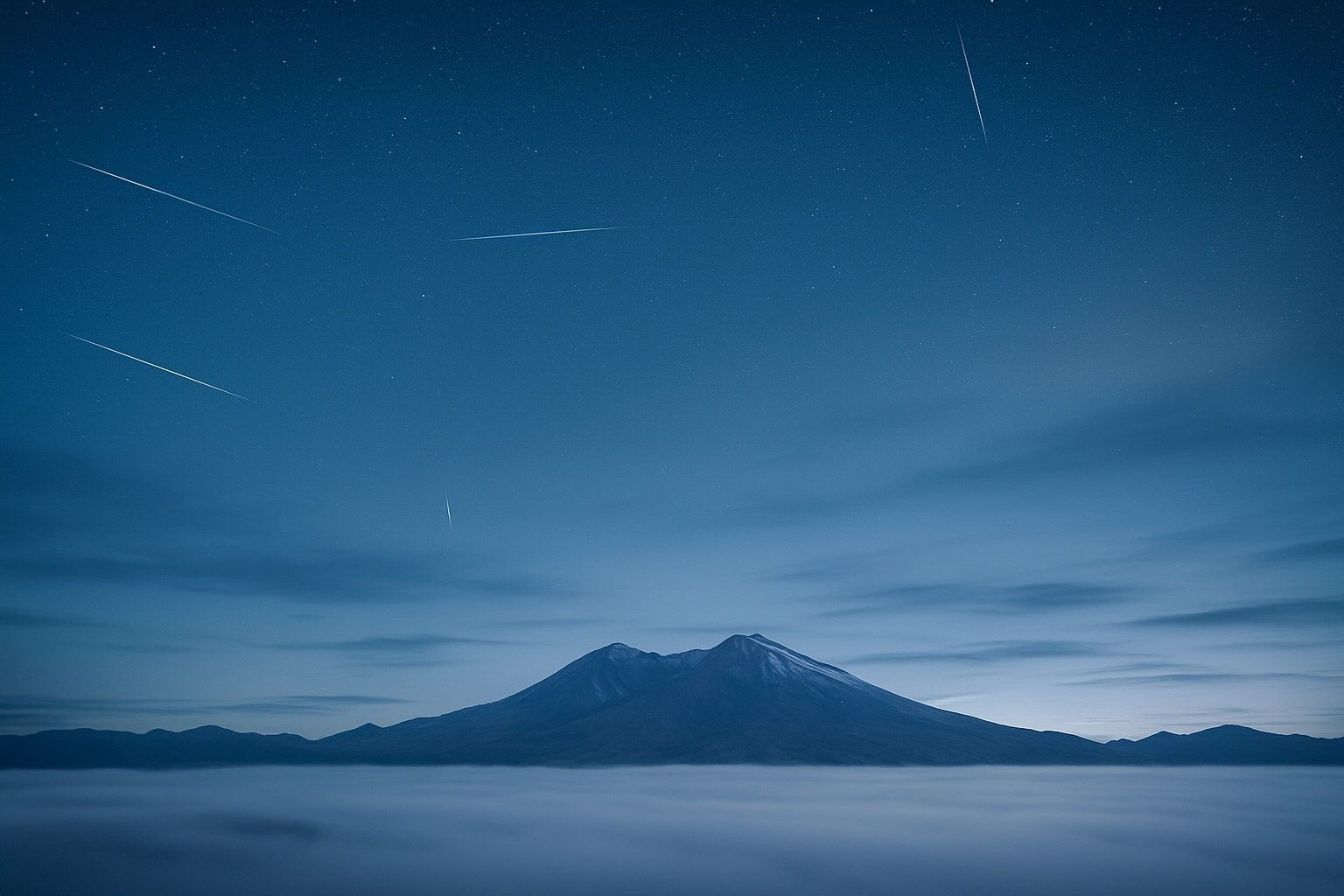
The Perseid meteor shower – one of the year’s most beloved sky shows – is reaching peak activity around August 12–13. However, a waning gibbous Moon will flood the night sky with light, dramatically reducing the number of visible meteors amsmeteors.org amsmeteors.org. Under dark, moonless skies, observers might normally catch 50–75 Perseids per hour at the peak. This year, “you’re probably going to see 10 to 20 per hour or fewer, and that’s because we have a bright Moon in the sky washing out the fainter meteors,” explains Bill Cooke, lead of NASA’s Meteoroid Environment Office nasa.gov. In other words, only the brightest Perseid fireballs will shine through the lunar glow travelandleisure.com.
13 August 2025
How to Watch the Perseid Meteor Shower 2025 – Peak Dates, Best Viewing Times, and Tips

How to Watch the Perseid Meteor Shower 2025 – Peak Dates, Best Viewing Times, and Tips

Every August, skywatchers look forward to the Perseid meteor shower, one of the year's most reliable and beloved celestial displays. In 2025, the Perseids will peak around August 12–13, with activity continuing for weeks on either side earthsky.org cbsnews.com. However, this year comes with a twist – a bright waning gibbous moon will rise during the prime meteor hours and wash out many faint meteors earthsky.org cbsnews.com. Don’t be discouraged: with a bit of planning, you can still catch the “shooting stars” of the Perseids, including the impressive fireballs that make this shower the “fireball champion” of annual meteor showers skyandtelescope.org. Below, we’ll cover when and where to watch for the best views, what to expect, tips for optimal viewing, the science and lore behind the Perseids, and info on any special events or livestreams so you won’t miss the show.
11 August 2025
Don’t Miss the 2025 Perseids: Ultimate Guide to Photographing August’s Meteor Shower

Don’t Miss the 2025 Perseids: Ultimate Guide to Photographing August’s Meteor Shower

The Perseid meteor shower – often hailed as the year’s most spectacular “shooting star” display – will peak in mid-August 2025, offering skywatchers a chance to capture stunning meteor photographs space.com nasa.gov. This in-depth guide will walk you through everything you need to know to photograph the 2025 Perseids, whether you’re using a smartphone or a professional DSLR. We’ll cover key dates and viewing times, step-by-step photo instructions for beginners, advanced techniques for seasoned astrophotographers, gear recommendations, location planning, and expert tips from the pros. Get ready to shoot the Perseids like a pro – and don’t let this cosmic photo opportunity pass you by!
August 2025 Night Sky Spectacles: Rare Black Moon, Nebula Treasure, Mars in Virgo & Saturn’s Shadow Show

August 2025 Night Sky Spectacles: Rare Black Moon, Nebula Treasure, Mars in Virgo & Saturn’s Shadow Show

August 2025 offers a stellar lineup of celestial events that will delight everyone from casual stargazers to seasoned astronomers. From a rare “Black Moon” New Moon that creates inky-dark skies, to a ghostly nebula glowing in the summer stars, to Mars dancing through Virgo, and even Saturn’s moon Titan casting its shadow, the night sky is packed with must-see marvels. Read on to learn when and where to look, and get expert tips on enjoying these cosmic highlights.
10 August 2025
December 2025’s Dazzling Cold Moon – A Final Supermoon Lighting Up the Long Winter Night

December 2025’s Dazzling Cold Moon – A Final Supermoon Lighting Up the Long Winter Night

The last full moon of 2025 is set to put on a spectacular show. December’s full moon – traditionally known as the Cold Moon – will rise as a supermoon, appearing slightly larger and brighter than usual. This celestial event comes with rich cultural lore, ideal viewing conditions, and a few extra treats for skywatchers. Below, we detail when to see it, why it’s special, and what experts say about this luminous lunar finale of 2025.
10 August 2025
Beaver Moon 2025: November’s Supermoon Spectacle Illuminates Sky and Storytelling

Beaver Moon 2025: November’s Supermoon Spectacle Illuminates Sky and Storytelling

Mark your calendars: the full moon of November 2025 occurs on Wednesday, November 5, 2025, reaching peak illumination at 13:19 GMT starwalk.space farmersalmanac.com. This isn’t just any full moon – it’s a supermoon, and in fact the biggest and brightest full Moon of 2025. At that moment, the Moon will be only about 356,980 km from Earth, roughly 7.9% closer than an average full moon space.com starwalk.space. That earns it the title of “Super Beaver Moon”, as it appears slightly larger and more luminous than usual. To the casual eye the difference is subtle – most people can’t tell a supermoon from a normal full moon by size alone earthsky.org – but the extra brightness can be noticeable on a clear night starwalk.space earthsky.org. Either way, it’s a fun chance to gaze up and know you’re seeing the closest full moon of the year space.com.
10 August 2025
Don’t Miss October 2025’s Super Hunter’s Moon – A Dazzling Full Moon Spectacle

Don’t Miss October 2025’s Super Hunter’s Moon – A Dazzling Full Moon Spectacle

Mark your calendars: the full moon of October 2025 occurs on Monday, October 6, 2025, reaching peak illumination at 11:48 p.m. Eastern Time, which is 03:48 UTC on October 7 space.com. In practical terms, that means skywatchers in the Americas will see the moon at its fullest on the night of October 6, while in Europe and Africa it arrives in the predawn hours of October 7. For those in Asia and Oceania, the moment of peak fullness falls during daylight, so the moon will appear essentially just as full on the nights immediately before or after this time. The good news is you don’t have to pinpoint the exact minute – according to NASA, the moon will appear virtually full for about three days around the peak science.nasa.gov. In fact, any clear evening around early October 6–7 will treat you to a big bright moonrise around sunset and a golden orb shining all night long. As NASA notes, a full Moon rises at sunset and soars high at midnight svs.gsfc.nasa.gov, meaning wherever you are, you’ll have bright moonlight from dusk till dawn during this event.
10 August 2025
July 10 2025’s ‘Buck Moon’ Will Be the Farthest‑From‑the‑Sun, Low‑Riding Full Moon of the Decade—Here’s the Exact Time, Best Viewing Tricks & Pro Photo Hacks You Need

Don’t Miss the August 9, 2025 “Sturgeon Moon” – Two Nights of Lunar Spectacle, Cosmic Meaning & Global Traditions

The full moon on August 9, 2025 promises a spectacular two-night celestial show with rich scientific, astrological, and cultural significance. This “Sturgeon Moon” – as it’s traditionally called – brings astronomical marvels, astrological insights, and age-old legends and festivals into focus. Here’s everything you need to know about this full moon’s timing, meaning, and worldwide impact.
9 August 2025
Skywatch Alert: Meteors, Auroras & a Planetary Spectacle on Aug 5–6, 2025

Skywatch Alert: Meteors, Auroras & a Planetary Spectacle on Aug 5–6, 2025

Get ready for a cosmic show on the nights of August 5–6, 2025. From a ramping-up meteor shower to a dazzling double-planet dawn display, the sky has something for everyone. Around the globe, stargazers can look forward to Perseid meteors streaking across the late-night sky, Venus and Jupiter shining side-by-side before sunrise, an almost-full “Sturgeon Moon” lighting the night, and even the ISS space station gliding overhead. Here’s your complete guide to all the celestial highlights on these dates.
5 August 2025
All Eyes on the Skies: September 2025 Celestial Spectacles (Meteor Showers, Eclipses & More)

All Eyes on the Skies: September 2025 Celestial Spectacles (Meteor Showers, Eclipses & More)

September 2025 is set to delight skywatchers around the globe with a feast of celestial events. From a dramatic “Blood Moon” eclipse to a deep partial solar eclipse, from planetary showstoppers to mystical meteor showers, the night sky offers something for everyone. This month brings one of the best views of Saturn, an unusually placed Venus, and even a rare interstellar comet passing through our solar system. Below is a detailed guide to all the major astronomical events and skywatch alerts in September 2025 – so mark your calendars and get ready to look up!
30 July 2025
Spectacular Skywatching Alert: Twin Meteor Showers, Dazzling Planets & More on July 30–31, 2025

Spectacular Skywatching Alert: Twin Meteor Showers, Dazzling Planets & More on July 30–31, 2025

As July 2025 comes to a close, skywatchers are in for a double treat: two meteor showers peaking at the same time. From the late hours of July 29 into the pre-dawn of July 30, the Southern Delta Aquariids and the Alpha Capricornids will both be near peak activity, potentially yielding dozens of meteors per hour under dark skies discovermagazine.com. These twin showers remain active through mid-August discovermagazine.com, but the best viewing is around July 30 when they overlap. Crucially, the moon will be only about 27% illuminated during the peak night, so moonlight won’t interfere much with meteor visibility discovermagazine.com.
30 July 2025
Sky‑Spectacle Tonight: 15 U.S. States Could Witness a Rare Aurora Outburst—Everything You Must Know Before Sunset

Sky‑Spectacle Tonight: 15 U.S. States Could Witness a Rare Aurora Outburst—Everything You Must Know Before Sunset

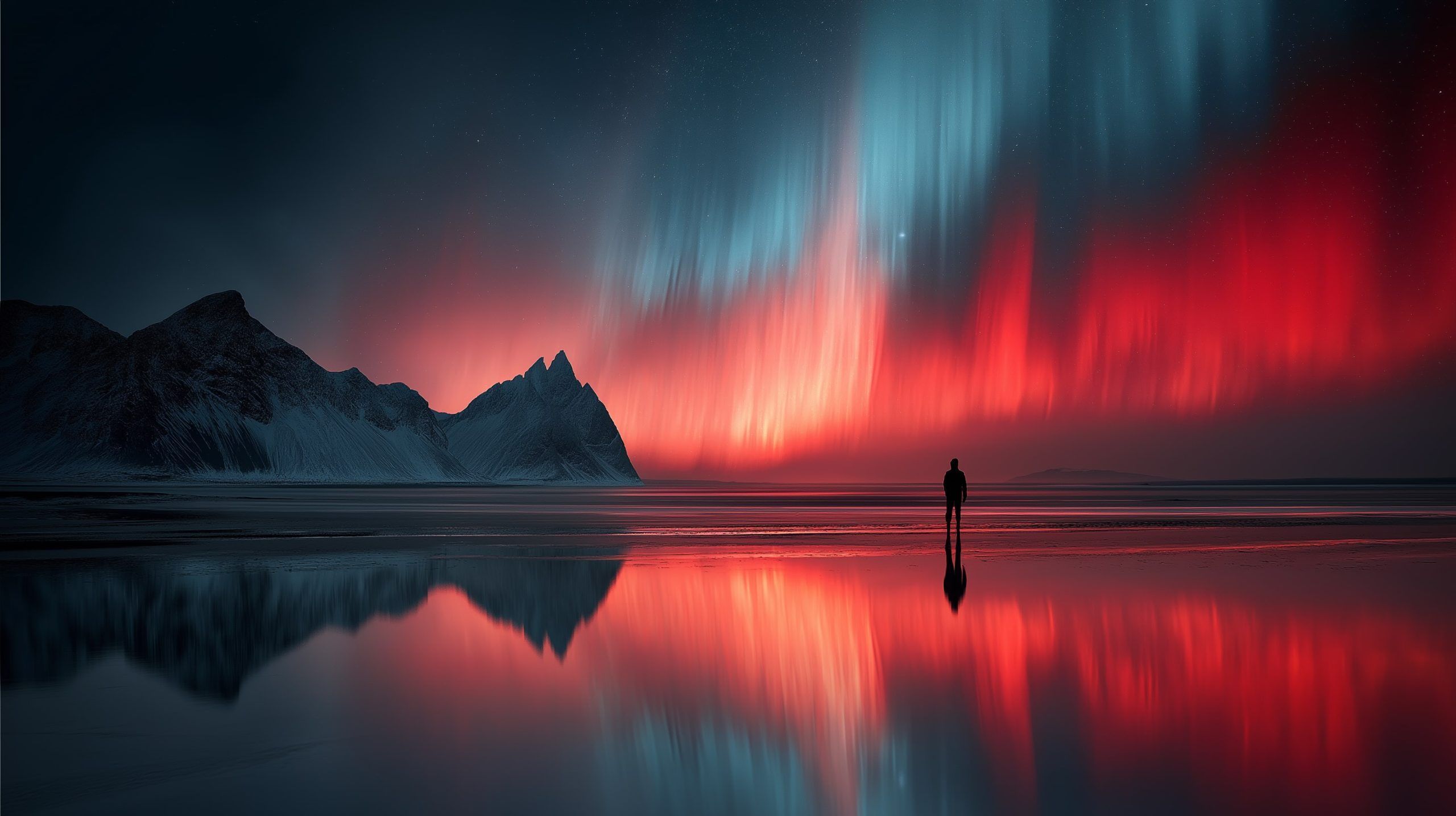
There is a strong chance that tonight’s sky will erupt in ribbons of green, purple and crimson light across much of the northern United States. A moderate geomagnetic‑storm watch from NOAA aligns with unusually high solar‑wind speeds, setting the stage for auroras that could spill far south of their usual haunts. Below is a deep‑dive into the forecast, the science and the practical steps you can take to see and photograph the show—plus what it means for the power grid, satellites and the rest of 2025’s solar‑maximum fireworks.
24 June 2025
Go toTop