Today: 18 July 2026
Browse Category

Night Sky 4 October 2025 - 4 December 2025

December 2025 Night Sky Guide: Supermoon, Geminids and Interstellar Comet 3I/ATLAS Light Up the Month

December 2025 Night Sky Guide: Supermoon, Geminids and Interstellar Comet 3I/ATLAS Light Up the Month

December 2025 is shaping up to be one of the most exciting skywatching months in years. As of December 1, space agencies and observatories are rolling out fresh forecasts: NASA has just published its “What’s Up: December 2025”guide, National Geographic has highlighted nine must‑see night sky events, and EarthSky has released an updated visible‑planets report for the month.National Geographic+2NASA Science+2
2 December 2025
Night Sky Tonight, November 24, 2025: Waxing Crescent Moon, Saturn’s “Vanishing” Rings & a Rare Lunar Occultation

Night Sky Tonight, November 24, 2025: Waxing Crescent Moon, Saturn’s “Vanishing” Rings & a Rare Lunar Occultation

If you look up tonight, November 24, 2025, the night sky offers a young crescent Moon, a dramatic Saturn with almost invisible rings, a tight Venus–Mercury pairing at dawn, lingering meteor activity and even a rare lunar occultation of a bright star for some parts of the world. Here’s your complete, Google News–ready guide to what’s happening above you right now.
24 November 2025
Sky‑Spectacle Alert: Rare Northern Lights Could Paint U.S. Skies Tonight—Here’s the Science, the Map and the Expert Warnings You Need

Night Sky Tonight, November 12, 2025: Severe Auroras Possible, Taurid ‘Fireballs,’ and a Close Mercury–Mars Pairing

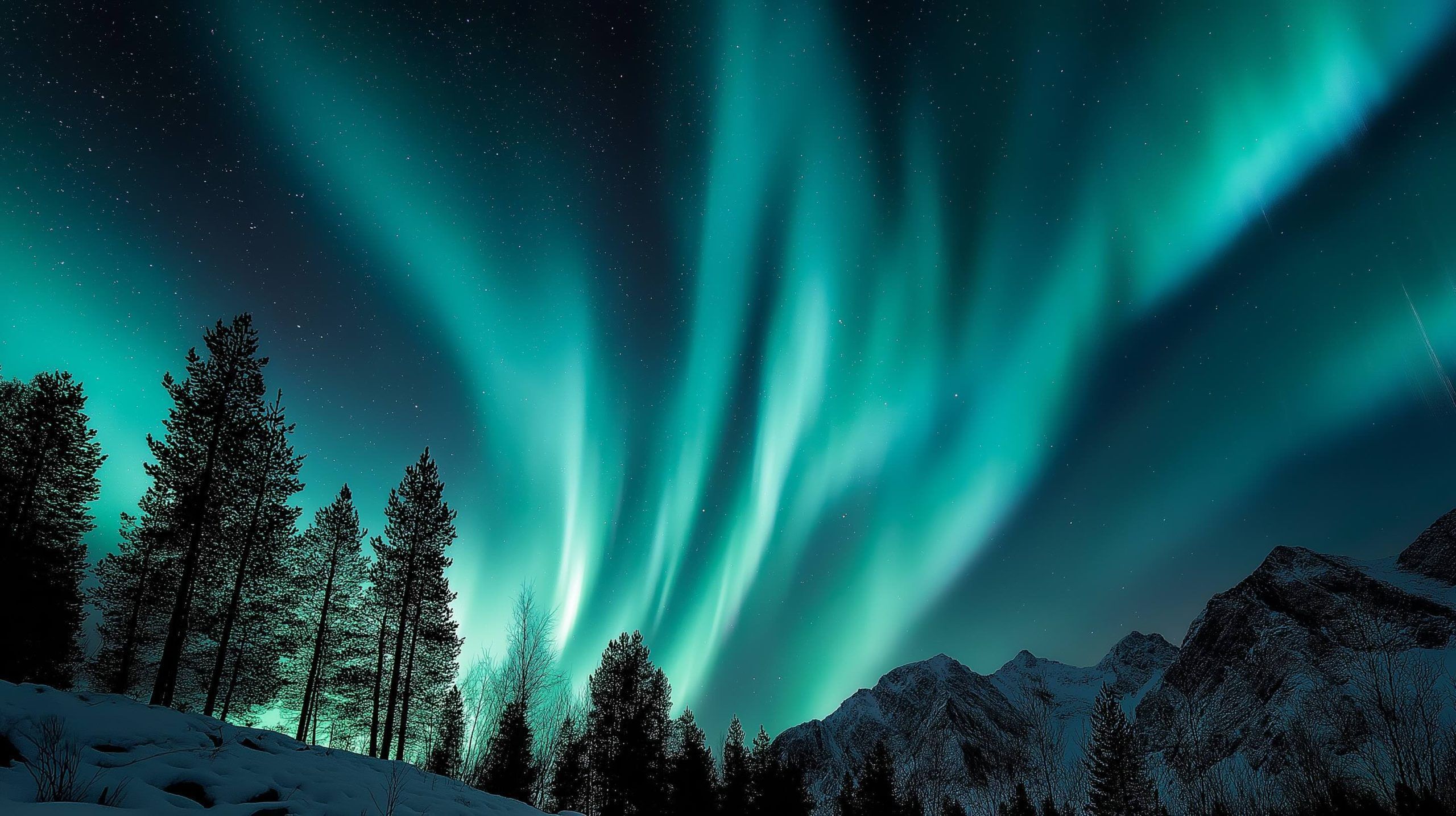
The U.S. Space Weather Prediction Center reports G4 geomagnetic storm levels were reached at 01:20 UTC on Nov. 12, with storming expected to continue into the night. In practical terms, that greatly boosts the odds of seeing the northern lights unusually far south when local skies are dark and clear. Keep watch after dusk, around local midnight, and toward dawn; auroras can surge in waves. NOAA Space Weather Prediction Center
12 November 2025
Sky on Fire Tonight: Giant ‘Solar Canyon’ Aims 800‑km/s Wind at Earth—Northern Lights Could Ignite 15 U.S. States & Test Global Tech

Northern Lights Tonight (Nov. 7, 2025): NOAA Issues G3 Geomagnetic Storm Watch—Where and When to See the Aurora Across the U.S.

The Space Weather Prediction Center at NOAA says a coronal mass ejection is arriving and has a G3 geomagnetic storm watch in effect through Nov. 6–7, with another, slower CME likely to bring G2 conditions on Nov. 8. Translation: the aurora borealis could dip unusually far south tonight, with the best odds across the northern tier of the United States and parts of the Midwest and Northeast. NOAA Space Weather Prediction Center+1
7 November 2025
Don’t Miss October 2025’s Super Hunter’s Moon – A Dazzling Full Moon Spectacle

Biggest Supermoon of 2025, Beaver Moon & Taurid ‘Fireball’ Show Collide This Week

Each month’s full moon carries a traditional name tied to seasonal rhythms. November’s full moon is widely known as the “Beaver Moon.” According to the Old Farmer’s Almanac, this name harkens back to a time when beavers finish preparations for winter – gathering food and retreating to their lodges once ponds start to freezeeconomictimes.indiatimes.com. It was also the prime season for trappers in North America to catch beavers for their thick winter pelts during the fur trade eraeconomictimes.indiatimes.com. In other words, the Beaver Moon signaled an important period of pre-winter activity for both wildlife and people, hence “why it matters” in a cultural and historical sense.
5 November 2025
Beaver Moon 2025: November’s Supermoon Spectacle Illuminates Sky and Storytelling

Don’t Miss the Beaver Moon – 2025’s Brightest Supermoon Peaks This Week

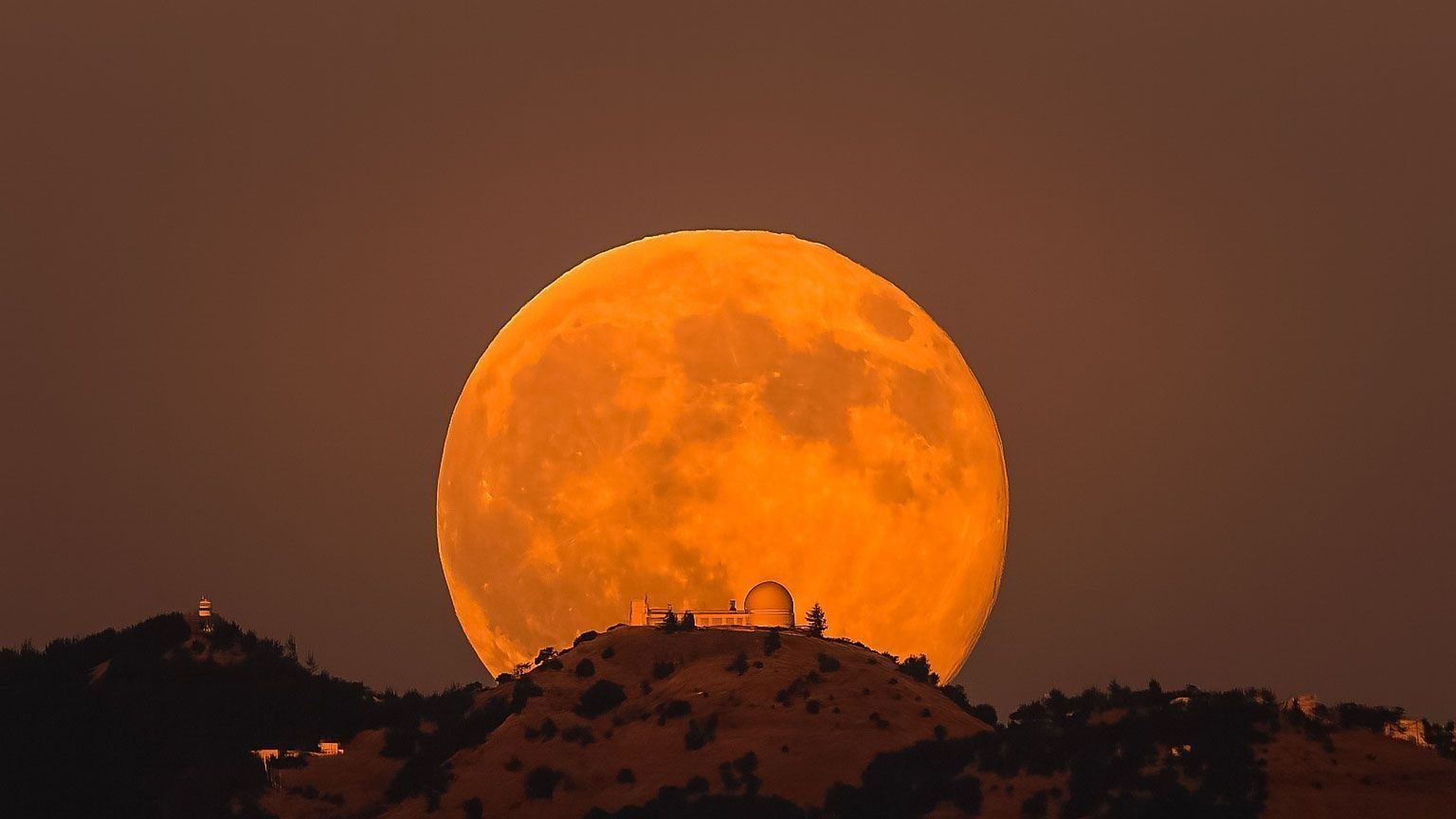
Skywatchers are in for a treat as the year’s brightest full moon takes to the sky this week. November’s full moon – known as the Beaver Moon – will reach its peak illumination on the morning of November 5, 2025, and it’s no ordinary full moon. It’s a “supermoon”, meaning the moon is near its closest point to Earth in its orbit during its full phase. This makes the lunar disc appear a bit larger and a lot more luminous than usual. In fact, this Beaver Moon supermoon will be so luminous that its glow can even cast faint shadows on the ground at night, a rare effect only seen during the most intense full moonsnationalgeographic.com.
4 November 2025
Double Meteor Shower Spectacle: Draconid and Orionid Displays Will Light Up October’s Night Sky

Meteor Mania Incoming: Supermoon, Fireballs and Aurora Alerts in Early November 2025

Early November’s sky features long-running meteor showers rather than any single dramatic outburst. The Southern Taurids and Northern Taurids are joined by the annual Leonid stream. AMS notes that these two Taurid sources and the Leonids “keep the skies active” in November, making it one of the better months for northern observersamsmeteors.org. In practice, the Taurids each produce only a handful of meteors per hour under dark skies, but many are fireballs. AccuWeather meteorologist Brian Lada explains that the Taurids will “only combine for around five meteors per hour, but the ones that do streak through the sky could be spectacular”accuweather.com. Space.com adds that “the Taurids are rich in fireballs,” meaning any Taurid you see is likely to be bright and impressivespace.com.
2 November 2025
July 10 2025’s ‘Buck Moon’ Will Be the Farthest‑From‑the‑Sun, Low‑Riding Full Moon of the Decade—Here’s the Exact Time, Best Viewing Tricks & Pro Photo Hacks You Need

Beaver Supermoon 2025: Get Ready for the Biggest, Brightest Full Moon of the Year

A supermoon is not an official astronomical term, but rather a popular way to describe a full moon that coincides with the Moon’s perigee. As NASA explains, the Moon’s orbit is oval-shaped, so full moons can occur at varying distances. When a full moon happens near perigee, the Moon appears larger and brighter in our skylivescience.com. In fact, NASA notes that the full Moon can look up to ~14% bigger and 30% brighter at perigee than at its farthest pointlivescience.com. Such perigee full moons typically occur only 3–4 times a year, in a rownbcmontana.com. November 2025’s full moon will join October’s Harvest Moon and December’s Cold Moon as a trio of supermoons closing out the yearlivescience.comnbcmontana.com. In short, the Nov. 5 moon is special because its peak fullness almost coincides with its perigee, yielding an extra impressively bright, large Moon in the skylivescience.com.
2 November 2025
Double Meteor Shower Spectacle: Draconid and Orionid Displays Will Light Up October’s Night Sky

Meteor Storm or Moonlit Fizzle? Draconid ‘Dragon’ Meteor Shower Peaks Tonight with Skywatchers on Alert

Every October, the Draconid meteor shower gives skywatchers a chance – however slim – to see fireballs from the Dragon. The Draconids occur when Earth passes through dust debris shed by Comet 21P/Giacobini–Zinner, a small periodic comet that orbits the sun every 6.6 yearsts2.tech. As these cometary bits hit Earth’s atmosphere at a relatively languid pace, they burn up and streak across the sky as meteorsts2.tech. The Draconids take their name from the constellation Draco, from which the meteors appear to radiate. Because Draco is a northern constellation, the Draconid shower is best viewed from the Northern Hemisphereearthsky.orgfoxweather.com. Southern Hemisphere observers see little to none of this display, since Draco lies low or below the horizon for them in the evening.
Northern Lights, Draconid Meteors & Bright Comets – Skywatch Highlights for Oct 7–8, 2025

Northern Lights, Draconid Meteors & Bright Comets – Skywatch Highlights for Oct 7–8, 2025

The Draconid meteor shower – a minor but convenient annual shower – is active October 6–10 and is expected to peak on the night of October 8, 2025 livescience.com. The Draconids are so named because their meteors appear to fan out from the head of the constellation Draco, the Dragon, which lies in the northwestern sky after nightfall in October science.nasa.gov livescience.com. Unlike many meteor showers that are best in the wee hours of morning, the Draconids are most easily viewed in the early evening – just after darkness falls – because Draco’s radiant point is highest in the sky at nightfall for mid-northern latitudes livescience.com. This makes the Draconids a favorite for those who don’t want to stay up all night hunting meteors.
7 October 2025
Beaver Moon 2025: November’s Supermoon Spectacle Illuminates Sky and Storytelling

October 2025’s Rare Harvest Supermoon – Biggest, Brightest Full Moon of the Year

Mark your calendars for a lunar spectacle: on the night of October 6, 2025, a conspicuously big, bright full moon will dominate the sky. This isn’t just any full moon – it’s a “Harvest Moon” Supermoon, an unusual coincidence that promises a dazzling show. Skywatchers across the globe will be able to enjoy this brilliant moon without any special equipment, as long as clouds don’t get in the way. And unlike an eclipse or meteor shower, everyone in the world can see this supermoon if it’s nighttime in their time zone, since the moon’s glow reaches every corner of the Earth’s night sidekptv.comkptv.com.
5 October 2025
Two Comets Will Light Up October’s Night Sky – When and How to Watch

Two Comets Will Light Up October’s Night Sky – When and How to Watch

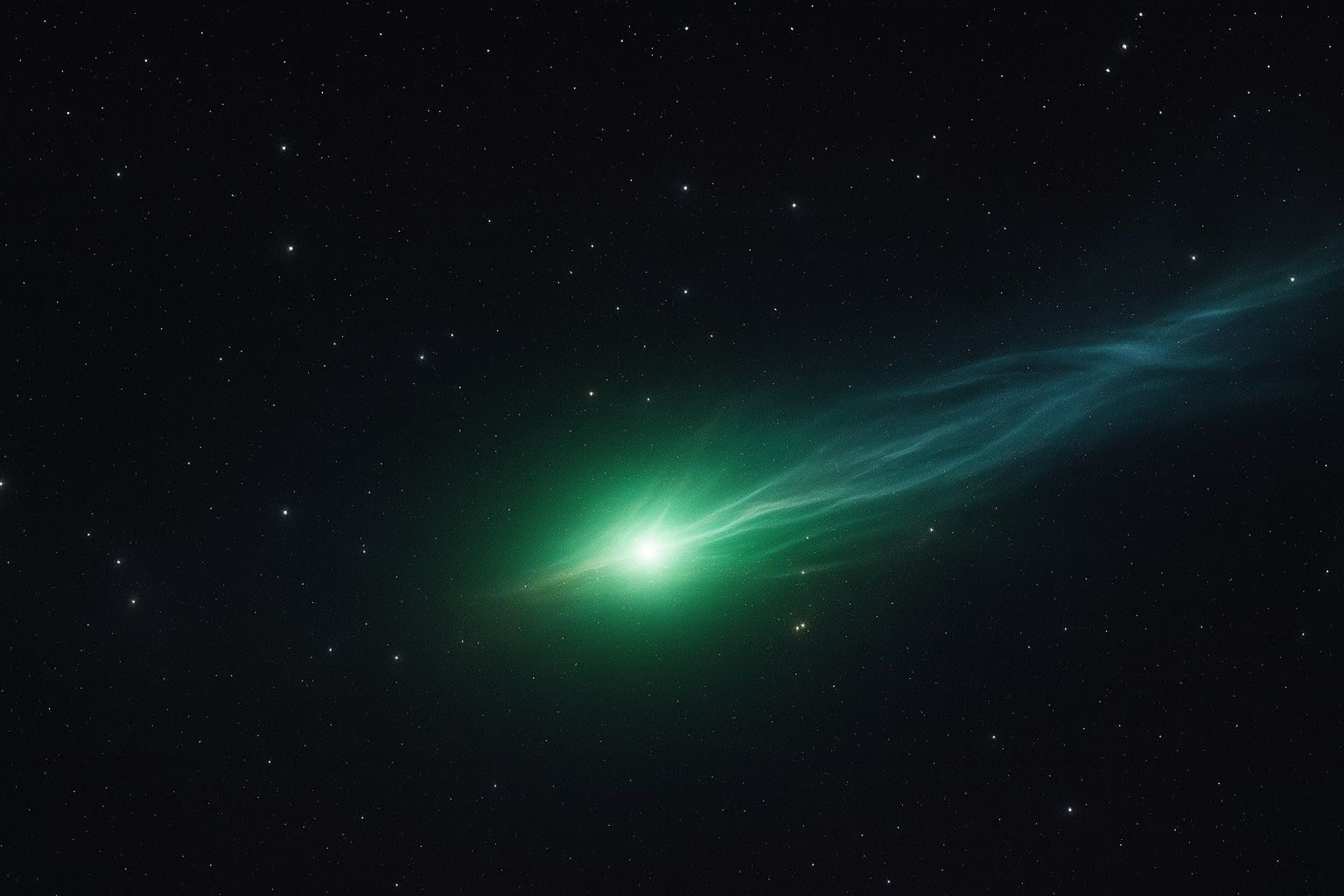
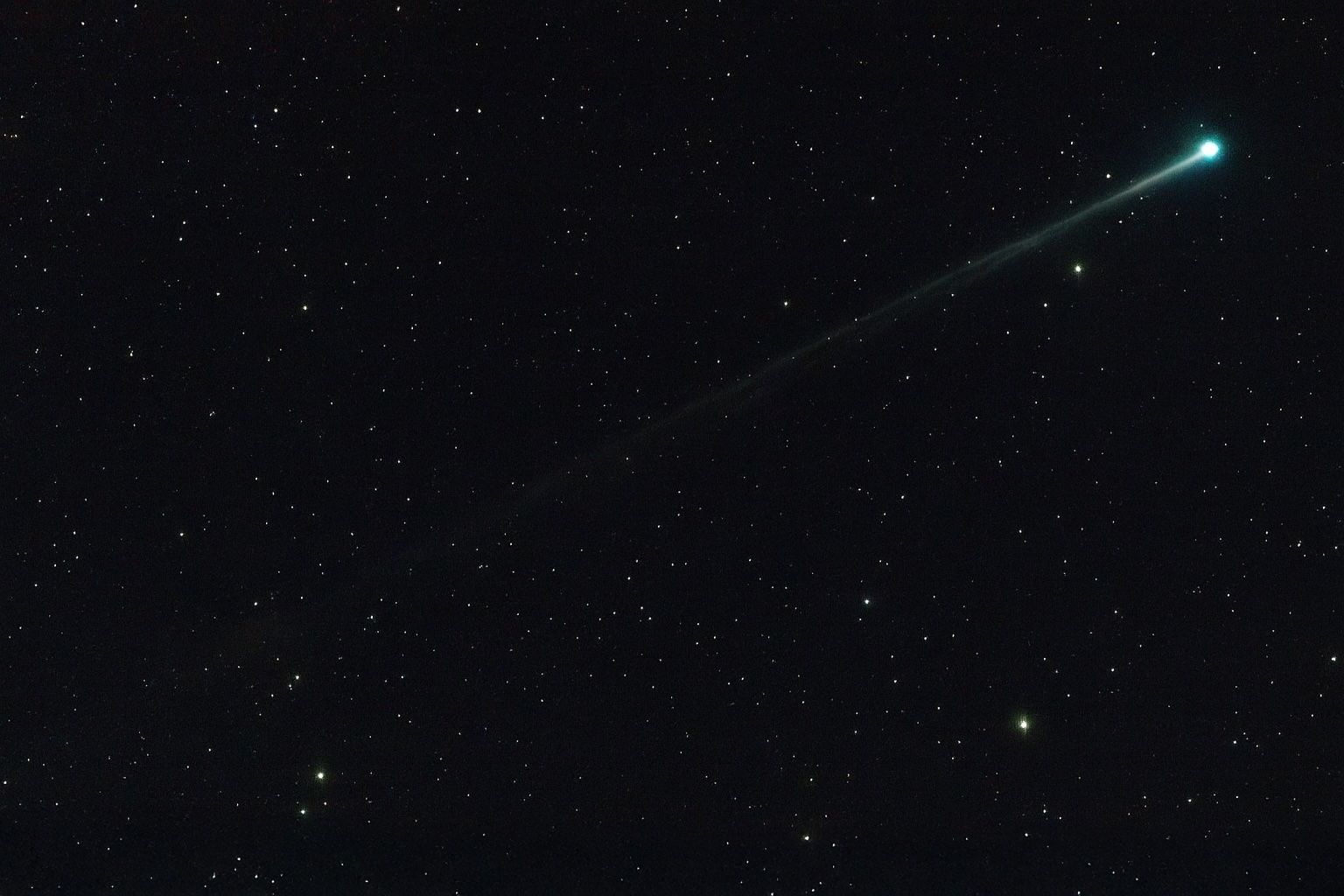
This fall’s night sky brings not one but two comets into view – a rare cosmic coincidence that has amateur astronomers buzzing. Comet C/2025 A6 and Comet C/2025 R2 both formed in the frigid outskirts of the solar system and have traveled inward for the first time in millennia. “These features make ‘Lemmon’ a striking reminder of the icy wanderers that visit the inner solar system from the distant Oort Cloud,” noted astronomer Aleix Roig after capturing the comet’s eerie green glow in late September space.com. Comets like these spend most of their lives in the Oort Cloud, until gravitational nudges send them sunward. As they approach the sun, solar heat causes them to outgas, releasing dust and gas that form a fuzzy coma and often two tails – one of dust and one of ionized gas fox8live.com fox8live.com. The specific gases can even tint a comet’s coma; for example, diatomic carbon gas fluorescing in sunlight gives many comets a greenish coma space.com.
4 October 2025
Double Meteor Shower Spectacle: Draconid and Orionid Displays Will Light Up October’s Night Sky

Double Meteor Shower Spectacle: Draconid and Orionid Displays Will Light Up October’s Night Sky

The Draconid meteor shower – emanating from the northern constellation Draco – kicks off the month’s skywatching excitement. In 2025 the Draconids are active from October 6 to 10, with peak activity predicted on the evening of October 8 earthsky.org. Unlike most meteor showers which are strongest after midnight, the Draconids are best viewed in the early evening after nightfall earthsky.org. That’s because Draco’s “head,” where the shower’s radiant lies, is highest in the sky in the evening and then sinks lower later at night earthsky.org. So, observers should start looking as soon as darkness falls on Oct. 8 – a rare case of a meteor display that favors prime time viewing.
4 October 2025
Go toTop