Today: 20 July 2026
Browse Category

NSE:SCOM 10 March 2025 - 16 February 2026

Wall Street Feels the Heat (and Thrill): Fed Cuts, Tariffs & Mega-Mergers Set NYSE Buzz

Stock Market Today 16.02.2026

LIVEMarkets rolling coverageStarted: February 16, 2026, 12:00 AM ESTUpdated: February 16, 2026, 11:59 PM EST Indian Markets Rebound: Nifty Surpasses 25,650, Sensex Gains 650 Points February 16, 2026, 11:58 PM EST. Indian benchmark indices snapped a two-day losing streak on February 16, with the Nifty closing above 25,650 and the Sensex gaining 650 points. The rally was led by strong buying in power, energy, realty, and financial sectors, providing positive momentum amid volatile trading. The broader market underperformed, with midcaps gaining 0.5% and smallcaps steady. Top Nifty gainers included Power Grid Corporation, Coal India, and HDFC Bank, while Tech Mahindra
Internet Access Chaos: Blackouts, Crackdowns & Broadband Breakthroughs (Sept 5–6, 2025)

Internet Access Chaos: Blackouts, Crackdowns & Broadband Breakthroughs (Sept 5–6, 2025)

In early September 2025, multiple outages and deliberate shutdowns disrupted internet access for millions across different regions. In the United States, a major Verizon network failure on August 30 demonstrated the fragility of even advanced telecom systems ts2.tech. Starting around midday, Verizon mobile users from California to New York suddenly lost service, with their phones stuck in emergency “SOS only” mode instead of connecting to any network ts2.tech. By mid-afternoon, outage reports spiked above 23,000 as people complained they couldn’t make calls or use mobile data ts2.tech. Verizon attributed the blackout to a software issue in its 4G/5G core network and scrambled engineers to fix it ts2.tech. Service was largely restored by that evening after roughly 9 hours of downtime ts2.tech. It was Verizon’s third nationwide outage of 2025, prompting renewed debate over telecom reliability and calls for stronger oversight of network resiliency ts2.tech ts2.tech. The disruption had ripple effects – some users on other carriers experienced slowdowns in apps like Instagram and Twitter, illustrating how interdependent networks are and how a failure in one can jam internet traffic more broadly ts2.tech. For many Americans, the outage underscored how essential connectivity has become to daily life: during those hours, some
Global Internet Access Turmoil: Outages, Crackdowns & New Lifelines (Sept 4–5, 2025)

Global Internet Access Turmoil: Outages, Crackdowns & New Lifelines (Sept 4–5, 2025)

Widespread outages disrupted internet access across multiple regions in recent days. In the United States, a major Verizon network failure on August 30 underscored the fragility of even advanced telecom systems ts2.tech. Starting around midday on the 30th, Verizon wireless customers from California to New York suddenly found their phones showing “SOS only” – meaning no cellular service except emergency calls ts2.tech. By mid-afternoon outage reports spiked above 23,000 as users complained of being unable to make calls or use mobile data ts2.tech. Verizon acknowledged a software issue in its 4G/5G core network and scrambled engineers to fix it ts2.tech. Service was largely restored by that night after roughly 9 hours of downtime ts2.tech. It was Verizon’s third nationwide outage of 2025, prompting renewed debate over telecom reliability ts2.tech ts2.tech. Even customers on other carriers felt side effects – some apps like Instagram and Twitter slowed down, apparently because they rely on Verizon routes for certain traffic, illustrating the ripple effects a major network failure can have ts2.tech. The incident has led U.S. officials and consumers alike to call for stronger oversight of network resiliency, given how essential connectivity is to daily life ts2.tech ts2.tech.
Blackouts, Crackdowns & Broadband Booms: Internet Access News Roundup (Sept 3–4, 2025)

Blackouts, Crackdowns & Broadband Booms: Internet Access News Roundup (Sept 3–4, 2025)

Over the past 48 hours, major investments in physical internet infrastructure were unveiled worldwide. SpaceX capped a busy summer of launches with yet another batch of 24 Starlink broadband satellites lifted into orbit on August 29 ts2.tech. This marked SpaceX’s fourth Starlink launch in a month, expanding its constellation and improving coverage in high-latitude regions like Alaska, Canada and Scandinavia ts2.tech. With this growth, Starlink continues to deliver high-speed internet to remote areas in dozens of countries. And it’s not alone – Amazon’s Project Kuiper, a rival low-Earth orbit satellite network, is accelerating its deployment. Amazon launched its first 27 Kuiper satellites in April and just announced that beta service will begin by late 2025, with another launch planned for September 25 ts2.tech. Ultimately Amazon aims for a 3,200+ satellite fleet beaming up to 1 Gbps internet to underserved regions globally ts2.tech. These rapid satellite rollouts are poised to bring broadband to hard-to-reach communities from the Arctic Circle to rural Asia, complementing terrestrial fiber and cellular networks.
Global Internet Access Shake-Up: Outages, Crackdowns, and a Race to Connect the Unconnected

Global Internet Access Shake-Up: Outages, Crackdowns, and a Race to Connect the Unconnected

Major investments in physical internet infrastructure were unveiled over the past 48 hours, spanning undersea cables and satellites. SpaceX completed its fourth Starlink launch from California in a month, lofting 24 satellites on August 29 to enhance coverage in polar regions. This bolsters SpaceX’s constellation of over 8,000 active satellites, which is already delivering broadband to dozens of countries. Rival project Kuiper – Amazon’s satellite internet network – is also accelerating: Amazon announced it expects to begin beta service by late 2025, after deploying its first 27 satellites in April and scheduling another launch for Sept. 25. Kuiper plans to eventually operate 3,200+ satellites aimed at blanketing underserved areas with up to 1 Gbps speeds. These satellite rollouts are poised to bring connectivity to remote communities from the Arctic to rural Asia, complementing ground networks.
Inside Ethiopia’s Internet Boom: Fiber Optics, 5G Dreams, and Starlink Skies

Inside Ethiopia’s Internet Boom: Fiber Optics, 5G Dreams, and Starlink Skies

Ethiopia is undergoing a quiet internet revolution – transforming from one of the world’s least connected countries into a burgeoning digital hub. In a nation of over 120 million people, internet access was once a rarity, hampered by limited infrastructure and a state telecom monopoly. Today, dramatic changes are afoot: new fiber-optic backbones span the country, shiny 4G and 5G towers rise over city skylines, and satellite internet promises to beam connectivity to the remotest villages. This report dives into Ethiopia’s evolving internet landscape – from urban-rural divides and major telecom players to cutting-edge projects like 5G rollouts and Starlink’s satellite ambitions – painting a comprehensive picture of a country racing to bridge its digital divide.
29 May 2025
Internet Access Services in Kenya

Internet Access Services in Kenya

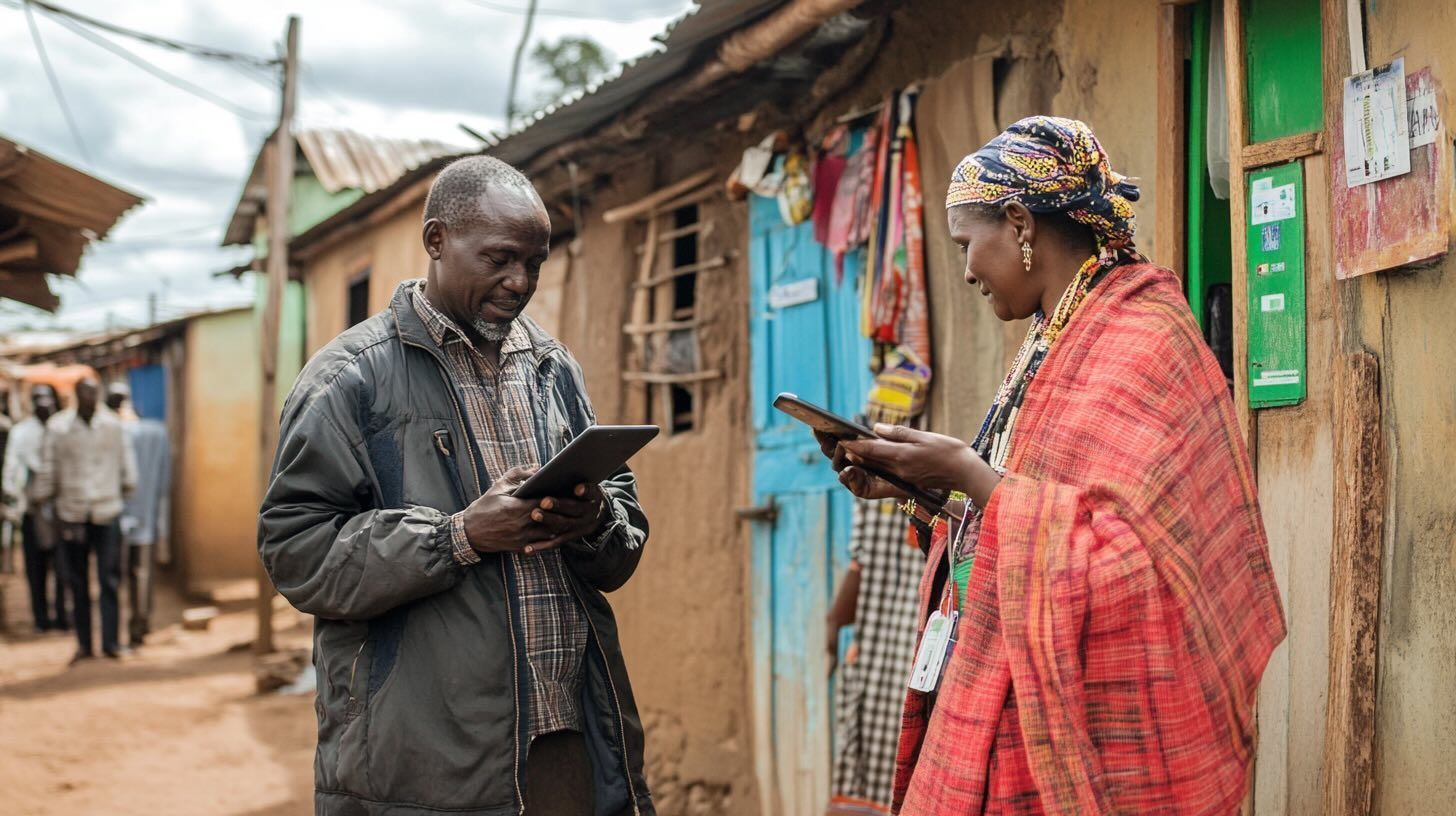
Kenya has one of Africa’s more advanced internet markets, but access remains uneven. As of early 2024, roughly 22.7 million Kenyans were using the internet​ datareportal.com. Mobile broadband is the primary mode of access, given high mobile phone penetration, while fixed broadband subscriptions are growing steadily. The government envisions a “digital economy” and has invested in ICT infrastructure, yet a significant digital divide persists between urban and rural regions​ businessdailyafrica.com. This report provides a detailed overview of Kenya’s internet services landscape – covering major providers, infrastructure and coverage, service speeds and pricing, regulatory environment, and ongoing developments in broadband, mobile, and satellite connectivity.
10 March 2025
Go toTop