Today: 19 July 2026
Browse Category

TSX:7011 29 June 2025 - 5 January 2026

Tokyo stocks today: Nikkei starts 2026 higher as TEPCO, chip and defense names lead

Tokyo stocks today: Nikkei starts 2026 higher as TEPCO, chip and defense names lead

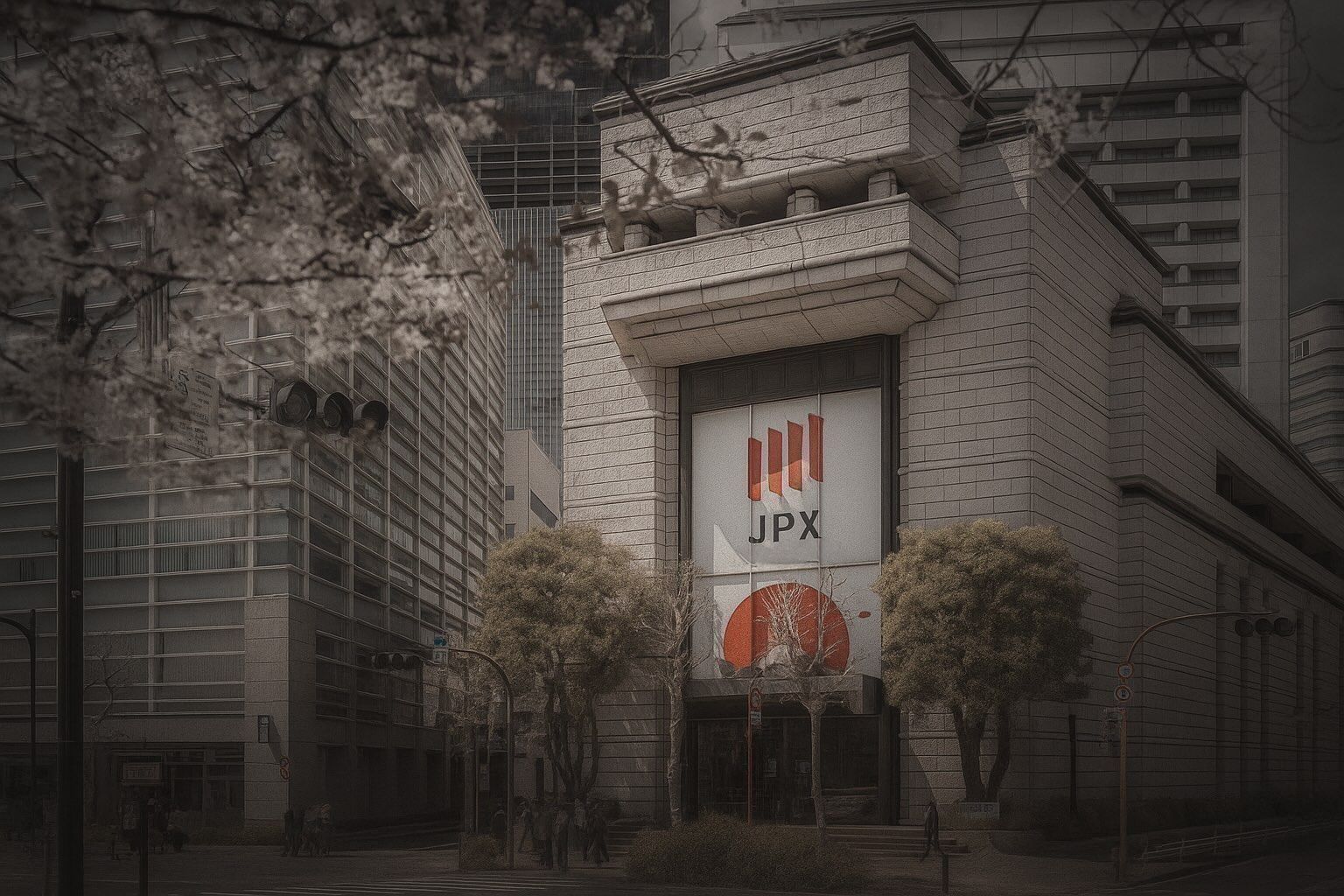
Japan’s Nikkei 225, a price-weighted index of blue-chip shares, jumped about 3% on Monday in Tokyo’s first session of 2026 as investors chased chip and defense stocks and looked past U.S. action in Venezuela. “The market turned risk-on as if uncertainties and threats had been removed,” said Kazuaki Shimada, head of research at IwaiCosmo Securities. The Nikkei closed up 3.03% at 51,865, with Tokyo Electric Power leading gainers on a 9.23% surge.
Japan’s Space and Satellite Industry: A Comprehensive 2025 Market Report

Japan’s Space and Satellite Industry: A Comprehensive 2025 Market Report

Japan’s journey in space began in the 1950s and has grown from university research rockets to a major national endeavor. In 1955, Professor Hideo Itokawa’s team launched the first pencil rocket as a rudimentary experiment en.wikipedia.org. By the 1960s, Japan developed larger sounding rockets leading up to its first satellite launch. In February 1970, Japan successfully launched the Ohsumi satellite on a Lambda-4S rocket, making Japan the world’s fourth spacefaring nation to launch an indigenous satellite into orbit u-tokyo.ac.jp. Throughout the 1970s and 1980s, Japan built out its launch sites at Tanegashima and Uchinoura, and developed new rockets often with technology licensed or adapted from the U.S. nasaspaceflight.com.
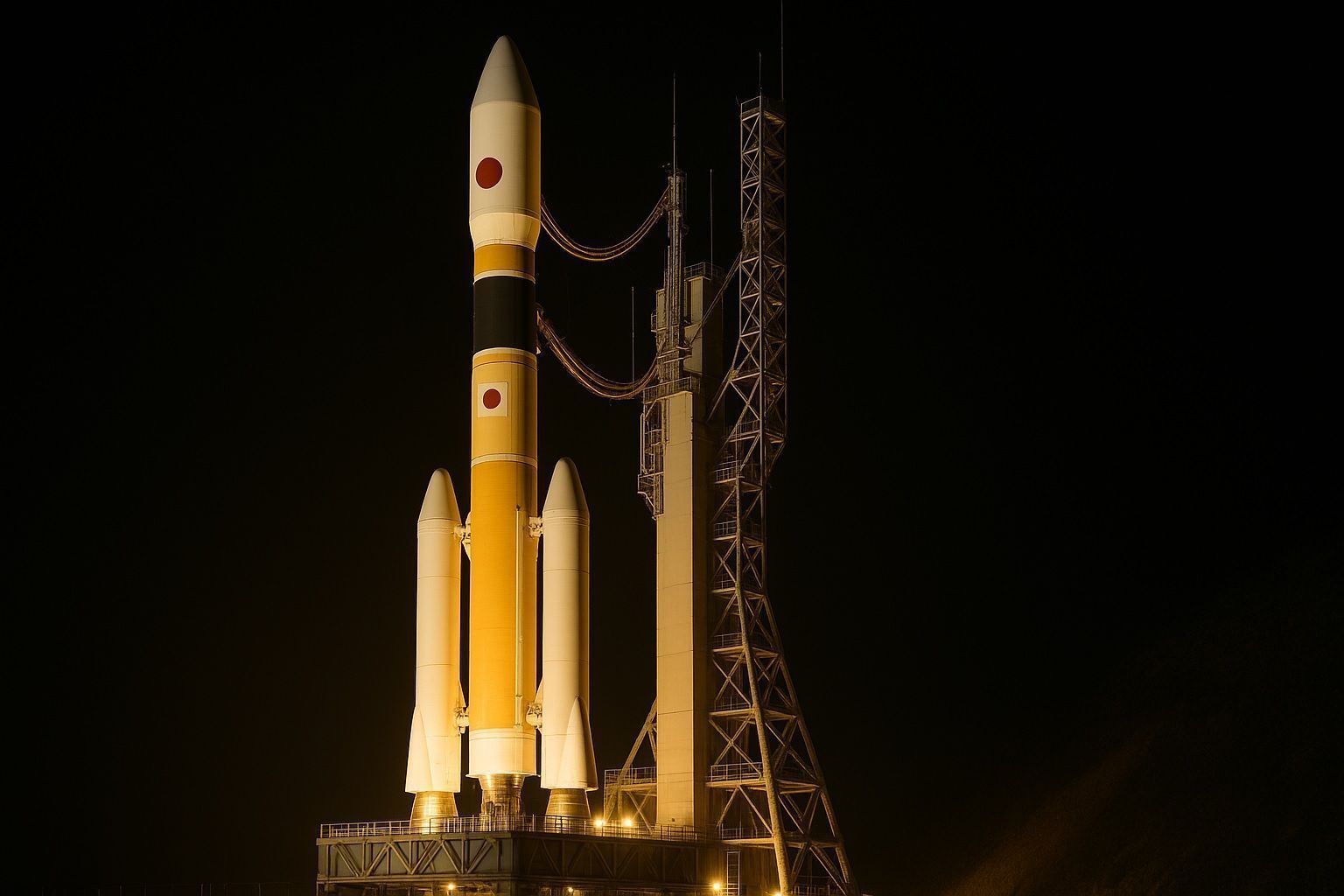
Quiet Goodbye, Bold Hello: Japan’s H3 Rocket Takes the Torch from H-2A to Slash Costs and Double Cadence

Quiet Goodbye, Bold Hello: Japan’s H3 Rocket Takes the Torch from H-2A to Slash Costs and Double Cadence

Japan’s workhorse H-2A rocket concluded nearly 25 years of service with its 50th and final launch on June 28, 2025, carrying the GOSAT-GW climate-monitoring satellite into orbit Space Space. Debuting in 2001, the H-2A achieved a 98% success rate – a testament to its reliability Space. Over its lifetime, H-2A lofted critical payloads such as the SELENE lunar orbiter, Akatsuki Venus probe, Hayabusa 2 asteroid sample-return, and even the Emirates Mars Mission, showcasing Japan’s launch capabilities on the world stage Space Arstechnica. This storied rocket is now retired to make way for H3, Japan’s next-generation launcher designed to be more cost-effective and flexible while carrying on a legacy of dependable service Space.
29 June 2025
Go toTop