Today: 18 July 2026
Browse Category

TSX:6701 28 July 2025 - 23 January 2026

Japan’s $300 Million Undersea Cable Gamble: Inside the Global Race to Secure the Internet’s Lifelines

Japan’s $300 Million Undersea Cable Gamble: Inside the Global Race to Secure the Internet’s Lifelines

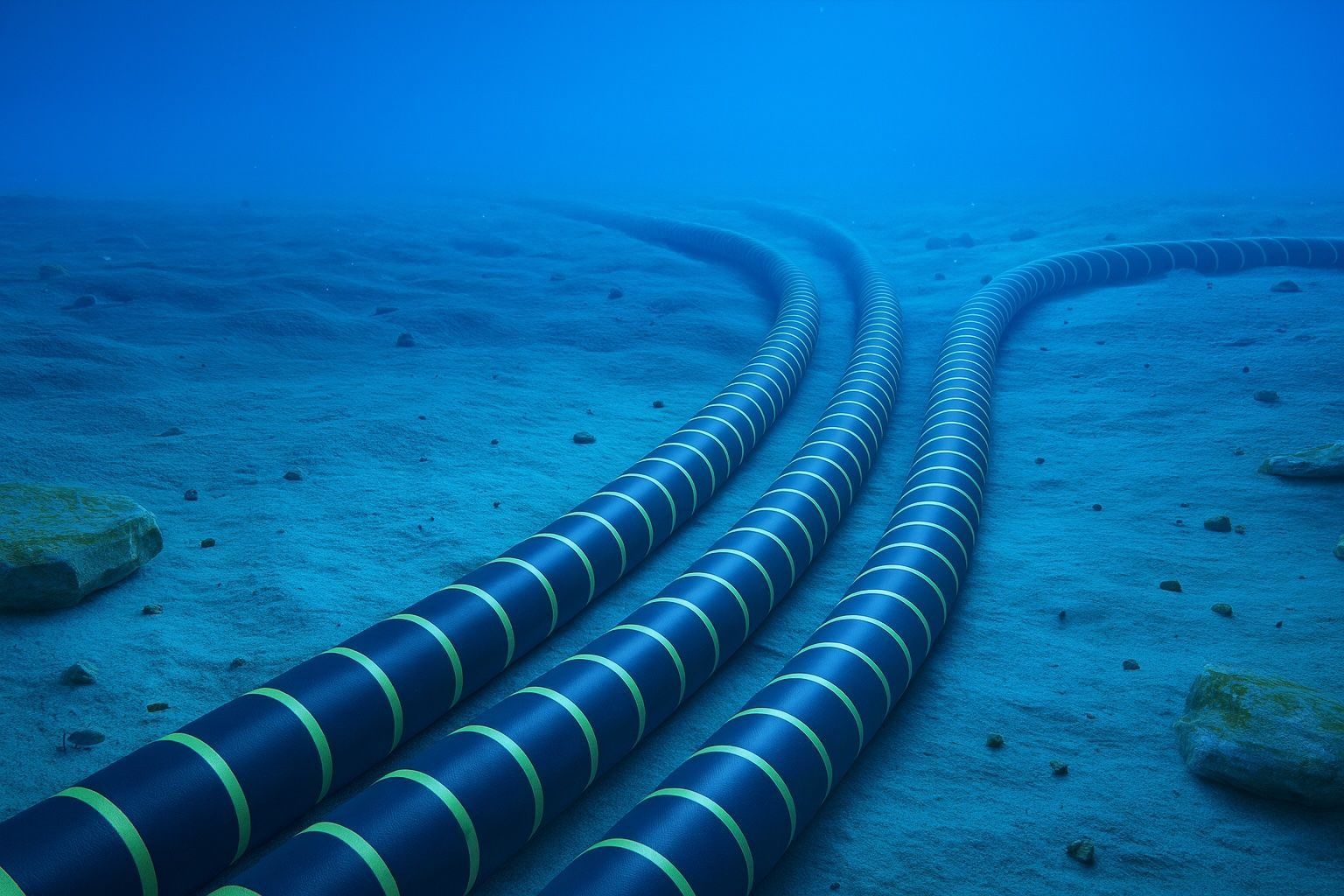
Japan’s decision to bankroll NEC’s purchase of undersea cable vessels signals a major policy shift to protect the nation’s digital lifelines. According to officials, Tokyo is prepared to front hundreds of millions of dollars so that NEC – Asia’s biggest undersea cable installer – can acquire ocean-going cable-laying ships of its own Tomshardware Lightreading. Each such ship is a massive specialized vessel equipped to carry and slowly spool out thousands of kilometers of fiber-optic cable across ocean floors. Until now, NEC has owned zero of these, relying instead on leasing a Norwegian ship and renting smaller domestic vessels for regional projects Tomshardware. This made Japan an outlier; its rivals SubCom, Alcatel Submarine Networks, and HMN Tech each operate fleets of 2–7 cable ships to swiftly serve their needs Tomshardware Lightreading.
17 September 2025
Japan’s Space and Satellite Industry: A Comprehensive 2025 Market Report

Japan’s Space and Satellite Industry: A Comprehensive 2025 Market Report

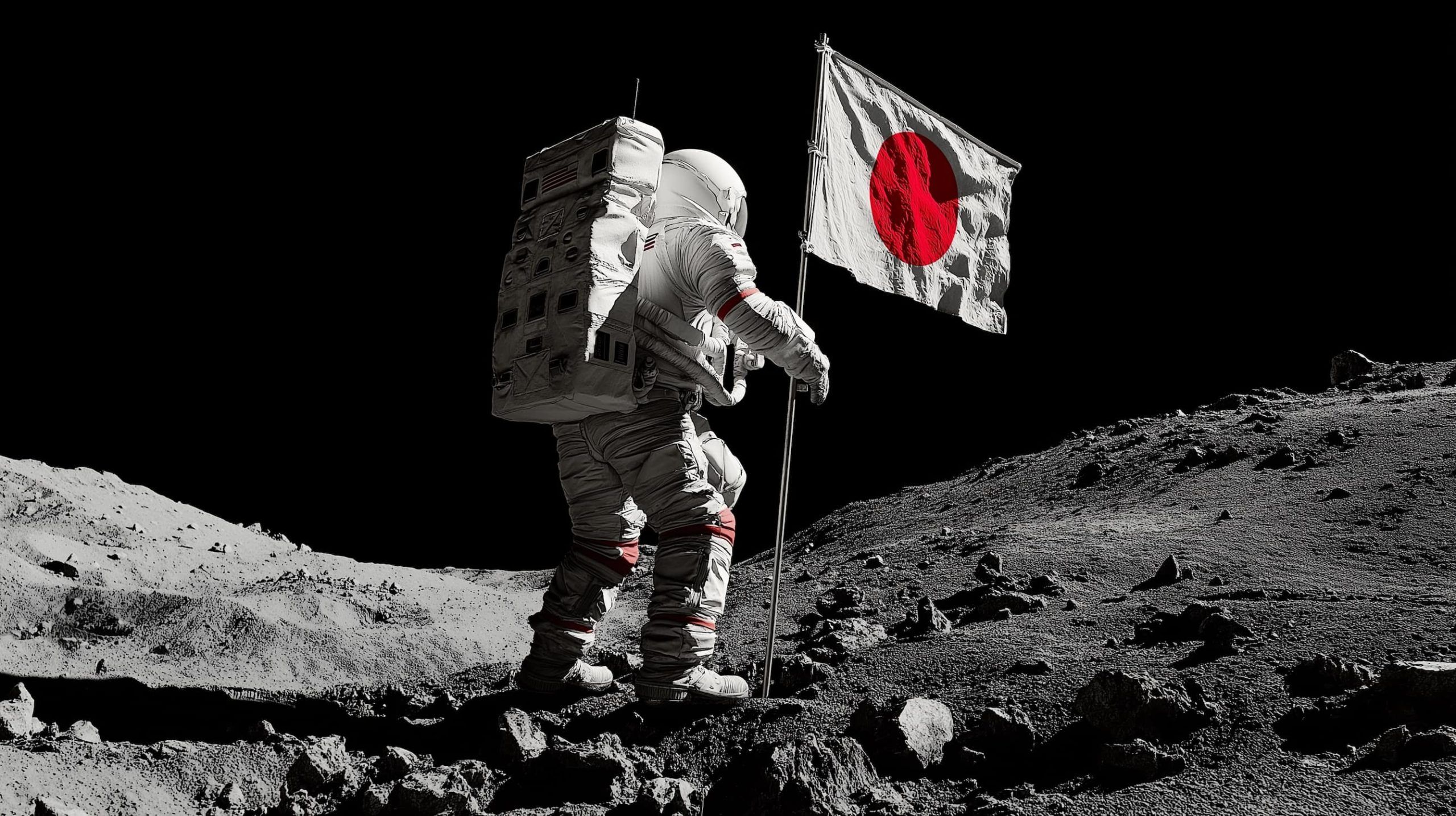
Japan’s journey in space began in the 1950s and has grown from university research rockets to a major national endeavor. In 1955, Professor Hideo Itokawa’s team launched the first pencil rocket as a rudimentary experiment en.wikipedia.org. By the 1960s, Japan developed larger sounding rockets leading up to its first satellite launch. In February 1970, Japan successfully launched the Ohsumi satellite on a Lambda-4S rocket, making Japan the world’s fourth spacefaring nation to launch an indigenous satellite into orbit u-tokyo.ac.jp. Throughout the 1970s and 1980s, Japan built out its launch sites at Tanegashima and Uchinoura, and developed new rockets often with technology licensed or adapted from the U.S. nasaspaceflight.com.
6G Terahertz Showdown: Samsung’s 140 GHz Testbed vs. Qualcomm’s 6G Foundry in the 0.3 THz Race

6G Terahertz Showdown: Samsung’s 140 GHz Testbed vs. Qualcomm’s 6G Foundry in the 0.3 THz Race

The wireless industry is hurtling toward the 6G era, where data may transmit at terahertz frequencies with fiber-optic-like speeds. In labs across the globe, engineers are already experimenting in bands far above today’s 5G frequencies – from Samsung’s 140 GHz testbed pushing multi-gigabit links news.samsung.com, to Qualcomm’s 6G Foundry initiative rethinking networks from AI to spectrum use fierce-network.com. Even other industry players, like LG and NTT DoCoMo, have demonstrated 0.3 THz-range wireless links that hint at ultra-fast 100 Gbps data rates wca.org. This report dives into each of these efforts – the recent breakthroughs, the frequency bands and use cases they target, and what these early 6G demos mean for consumers and mobile infrastructure as we race toward 2030 for 6G’s debut.
Internet Access in Nauru: Infrastructure, Access, and Future Outlook

Internet Access in Nauru: Infrastructure, Access, and Future Outlook

Nauru is a tiny Pacific island nation with a population of about 12,000, yet it boasts one of the highest internet usage rates in the Pacific. Approximately 83% of Nauruans are internet users as of 2023 Internetsociety, a penetration well above the Oceania average. This high uptake is remarkable given Nauru’s remote location and limited physical connectivity – the island lies hundreds of kilometers from any neighbor and until recently had no undersea fiber-optic cable Satellitetoday. Instead, satellite links have been the lifeline of Nauru’s internet, from early geostationary systems to modern low-Earth orbit constellations. Internet access is delivered primarily via wireless networks, with virtually the entire population living in the urbanized districts along the coast. Despite the challenges of isolation, Nauru’s government and partners have aggressively pursued digital improvements, making the country an interesting case of rapid adoption amid constrained infrastructure. The current situation features a mix of satellite broadband, a burgeoning mobile network, and impending fiber-optic connectivity – all of which shape the quality, affordability, and inclusivity of Nauru’s internet services.
Go toTop