Today: 1 July 2026
Browse Category

TSX:6503 19 June 2025 - 27 June 2026

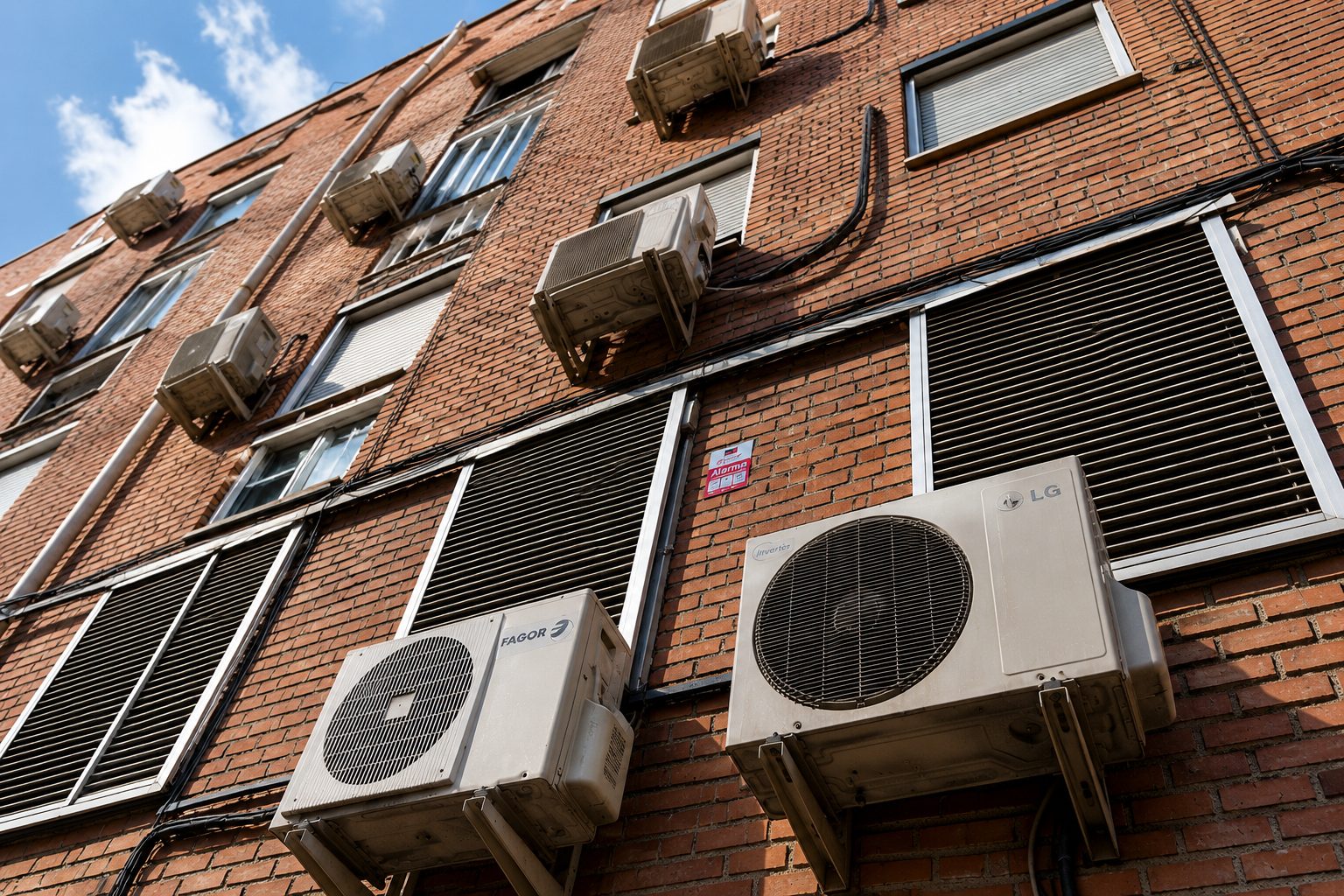
Europe heat heats up grid as investors watch low air-con adoption

Europe heat heats up grid as investors watch low air-con adoption

Europe’s all-time June heat is putting cooling-system demand and grid resilience to the test. The World Meteorological Organization said the heatwave smashed late-June records and disrupted infrastructure and labour output in countries from Portugal to Romania. “Heatwaves like this are what we expect to see in a changing climate,” said WMO’s John Kennedy. Heat pushed east on Saturday. Germany saw a provisional high of 41.3 degrees Celsius near Saarbruecken, Reuters said, with most of Germany under extreme-heat warnings. Italy issued red alerts in 18 cities, including Milan and Rome. Karsten Brandt of Donnerwetter.de said some areas in Germany would hit “well over 40 degrees.”
Japan’s Space and Satellite Industry: A Comprehensive 2025 Market Report

Japan’s Space and Satellite Industry: A Comprehensive 2025 Market Report

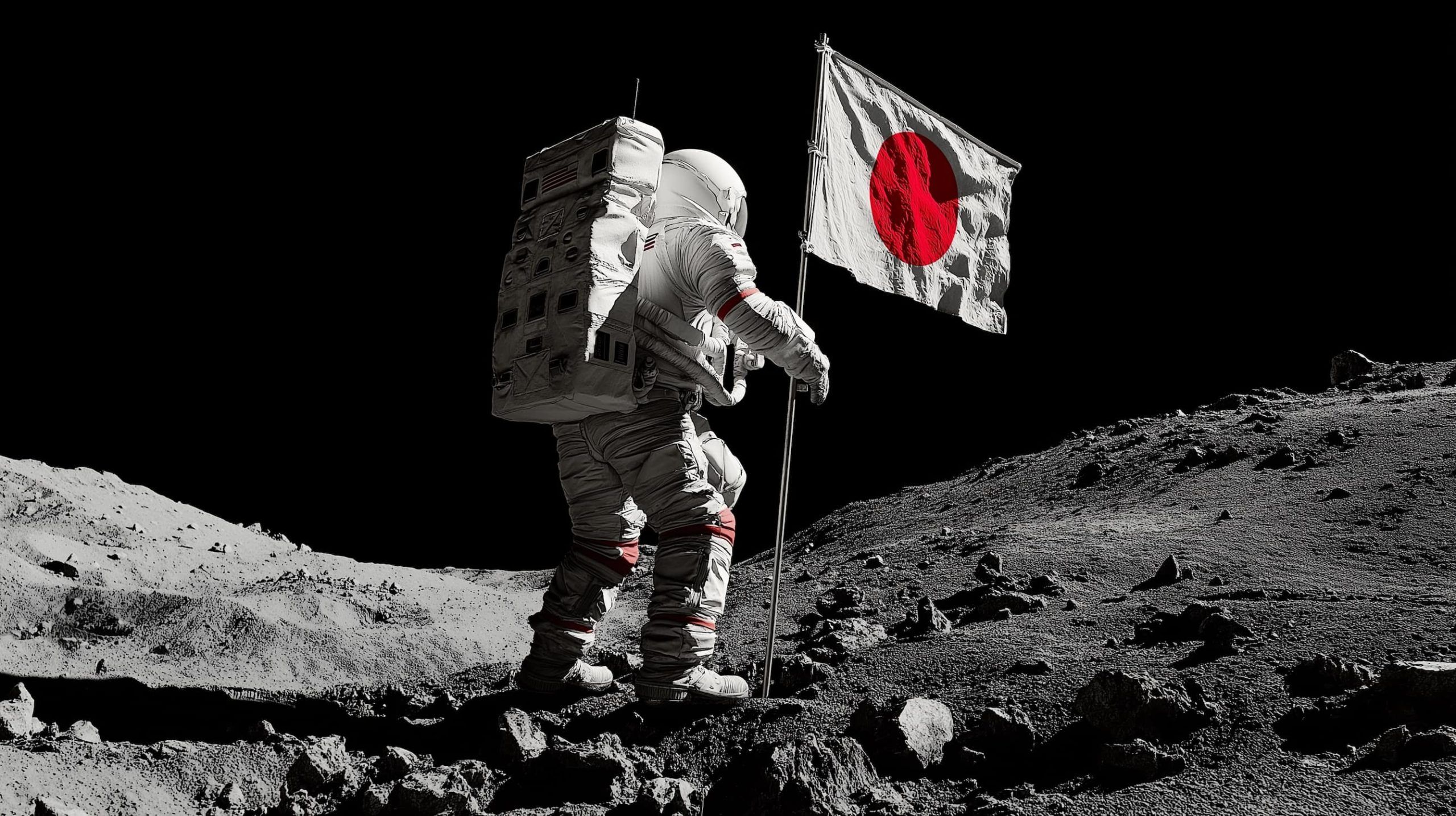
Japan’s journey in space began in the 1950s and has grown from university research rockets to a major national endeavor. In 1955, Professor Hideo Itokawa’s team launched the first pencil rocket as a rudimentary experiment en.wikipedia.org. By the 1960s, Japan developed larger sounding rockets leading up to its first satellite launch. In February 1970, Japan successfully launched the Ohsumi satellite on a Lambda-4S rocket, making Japan the world’s fourth spacefaring nation to launch an indigenous satellite into orbit u-tokyo.ac.jp. Throughout the 1970s and 1980s, Japan built out its launch sites at Tanegashima and Uchinoura, and developed new rockets often with technology licensed or adapted from the U.S. nasaspaceflight.com. In the 1990s, Japan progressed to the H-II rocket – its first fully home-grown liquid-fuel launcher nasaspaceflight.com. The H-II’s early flights faced some costly failures, exposing the need for greater reliability and cost-efficiency nasaspaceflight.com. This led to the H-IIA rocket which became a workhorse with a 98% success rate over 50 launches nasaspaceflight.com. Notable scientific missions in this era included Kaguya, Hayabusa, and Akatsuki. Japan also sent its first astronauts into space: beginning with payload specialist Toyohiro Akiyama in 1990 and multiple JAXA astronauts on NASA Space Shuttles through the 1990s–2000s. In

Sky Spies: The Ultimate Guide to Weather Satellites Tracking Storms, Saving Lives, and Monitoring Climate

Sky Spies: The Ultimate Guide to Weather Satellites Tracking Storms, Saving Lives, and Monitoring Climate

Weather satellites are spacecraft orbiting Earth that continually observe atmospheric conditions from above. They serve as “eyes in the sky” for meteorologists, providing a global view of weather systems that ground observers alone could never achieve. By capturing images and data on clouds, storms, temperature, and more, weather satellites supply crucial inputs for accurate, life-saving forecasts. These orbiting sentinels have revolutionized how we monitor our planet – today, forecasters can spot a hurricane forming days in advance and track its path, issuing early warnings that save lives and property. Before satellites, vast ocean areas and remote regions had no coverage, and dangerous storms like the 1900 Galveston hurricane struck without warning, with catastrophic results. Now, thanks to weather satellites, we can observe nearly every corner of the globe in real time, making modern weather forecasting and climate monitoring possible on a global scale. The era of weather satellites began during the space race. On April 1, 1960, NASA launched TIROS-1, the world’s first successful meteorological satellite. Weighing about 120 kg, TIROS-1 carried simple TV cameras that sent back the first-ever cloud images from orbit, proving the concept of monitoring weather from space. Though it operated only 78 days, TIROS-1 transmitted

Stock Market Today

  • Verizon (VZ) Lags as S&P 500 Climbs Before Earnings Report
    June 30, 2026, 7:20 PM EDT. Verizon Communications (VZ) shares lost 0.53% to close at $39.46 while the S&P 500 gained 0.77%. Over the last month, Verizon is down 0.97%. That trails the S&P 500, up 3.71%, but looks better than the Computer and Technology sector's 3.05% drop. Verizon is due to release Q2 earnings on July 22, 2024. Analysts expect Q2 EPS at $1.15, off 4.96% from a year ago, with revenue at $33.06 billion, up 1.44%. Full-year Street forecasts are calling for $4.59 EPS and $135.02 billion revenue. The Zacks Rank stays at #3 (Hold). Forward P/E comes in at 8.64-well below the industry's 19.5 average-pointing to a discounted valuation. The industry and Verizon both show PEG at 2.88, suggesting similar earnings growth expectations.
Go toTop