
LONDON, June 27, 2026, 14:02 (BST)
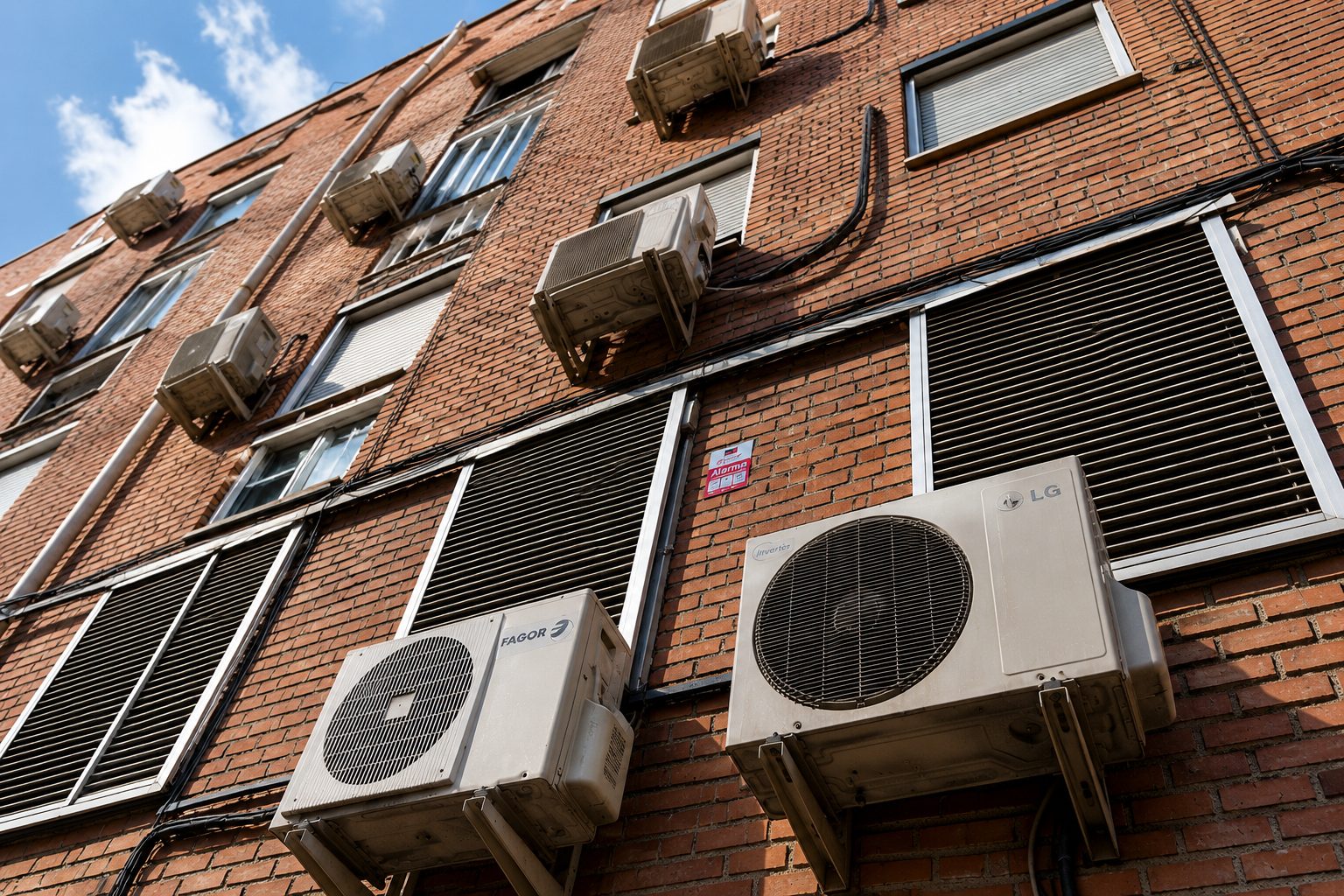
- Europe’s limited air-conditioning capacity is turning into a power-margin problem as the heatwave heads east.
- Asian cooling-equipment makers say demand is jumping, but aging homes and high installation costs are keeping the pace of fixed system growth in check.
- Germany’s production and imports of cooling devices point to the shift that started ahead of this week’s record heat.
Europe’s all-time June heat is putting cooling-system demand and grid resilience to the test. The World Meteorological Organization said the heatwave smashed late-June records and disrupted infrastructure and labour output in countries from Portugal to Romania. “Heatwaves like this are what we expect to see in a changing climate,” said WMO’s John Kennedy. World Meteorological Organization
Heat pushed east on Saturday. Germany saw a provisional high of 41.3 degrees Celsius near Saarbruecken, Reuters said, with most of Germany under extreme-heat warnings. Italy issued red alerts in 18 cities, including Milan and Rome. Karsten Brandt of Donnerwetter.de said some areas in Germany would hit “well over 40 degrees.” Reuters
Asia’s big AC makers are already seeing demand pick up. South Korea’s Samsung Electronics KRX:005930 said it sees “sustained demand” through the cooling season and logged double-digit first-half sales growth in Italy, Spain, and France. LG Electronics KRX:066570 said one AC production line in South Korea has been at full capacity since April. China’s Midea Group SHE:000333 said its PortaSplit has sold out in some channels. From Japan, Mitsubishi Electric (TYO:6503) reported strong sales in France, Spain, the UK, and Germany. German online AC sales jumped about 37% in May. Shipments to Spain and France climbed 108% from a year ago. European installation is expensive, with some jobs over 1,000 euros, and AC ownership in Europe is still around 20%. Reuters
The tougher question for investors isn’t how many units move in a hot spell. It’s how many can run at 6 p.m. without grid operators scrambling for backup. Britain’s National Energy System Operator pointed to hotter weather in Britain and Europe and less wind and gas supply, which pushed margins lower and triggered an Electricity Margin Notice this week. The operator said this notice is “not a warning of power cuts.” National Energy System Operator (NESO)
UK rushes to import power at steep price; EDF spends on cooling, Hungary urges AC curbsThe market hit came quick. Great Britain agreed to pay £200 per MWh to bring in enough power from Europe for around 3 million homes, almost triple last June’s average price, according to the Guardian. The Guardian also said state-owned EDF was putting 80 million euros into cooling French schools and childcare centres, as Hungary told people to cut AC use from 6 p.m. to 9 p.m.
AC is turning into a grid-equipment story as much as a consumer-appliance story. The International Energy Agency says space cooling is the fastest-growing piece of building energy demand, up almost 4% a year through 2035 at current policies. During early summer heatwaves in 2025, evening power demand in France hit a peak 25% above the average for the off-season, despite low AC ownership.
Europe’s stock of room air conditioners remains low, with the European Commission saying the number in the EU grew from under 7 million in 1990 to above 57 million in 2020. The EU could see over 100 million units by 2030, including 70 million in homes. That would mean about 35% of households across Europe would have one unit for cooling.
German supply chains for AC and cooling gear are expanding. Destatis said production hit roughly 317,000 units in 2024, up 75.1% from five years ago. Import value climbed 48.2% to 949 million euros. Italy accounted for about a quarter of import value, followed by China and Sweden. Auto AC and parts are not included in the figures.
Fast sales for portable air conditioners might not mean they’re best for Europe’s power grids. Brian Motherway, who leads energy efficiency at the IEA, told The Atlantic the region’s popular portable units are “a panic-buy on a hot weekend.” Portable models are going out the door first. Later, the fight turns to fixed splits, what building codes allow, how many installers there are, and how tough the efficiency standards get. The Atlantic
Policy makers are focused on immediate protection while avoiding permanent high emissions. The Guardian quoted World Health Organization guidance warning that widespread AC use is “not a sustainable societal solution” but still key for people most threatened by heat. theguardian.com
Public-health policy could drive demand from more than just people making optional purchases. DW quoted Eurovent’s deputy secretary general Stijn Renneboog: “Cooling is still too often written off as a luxury.” German demand for air conditioners and cooling units jumped 75% from 2019 to 2024. DW News
This heat is not just a quick spike. World Weather Attribution said the Western Europe heatwave was “virtually impossible” without climate change caused by humans. More than 45% of 800 cities checked had already seen or were expected to see their highest late-June heat stress. Reuters
Related articles: KRX:005930







![Australia Stock Market Today 28/08/2026 [UPDATE: 12:40 AEST] [WAM Dividend Cut Deepens Selloff as ASX Rebound Fades]](https://ts2.tech/wp-content/uploads/2026/08/AU-market-dashboard-2026-08-28-1237-480x384.jpg "Australia Stock Market Today 28/08/2026 [UPDATE: 12:40 AEST] [WAM Dividend Cut Deepens Selloff as ASX Rebound Fades]")