Today: 30 June 2026
Browse Category

EPA:EDF 17 June 2025 - 27 June 2026

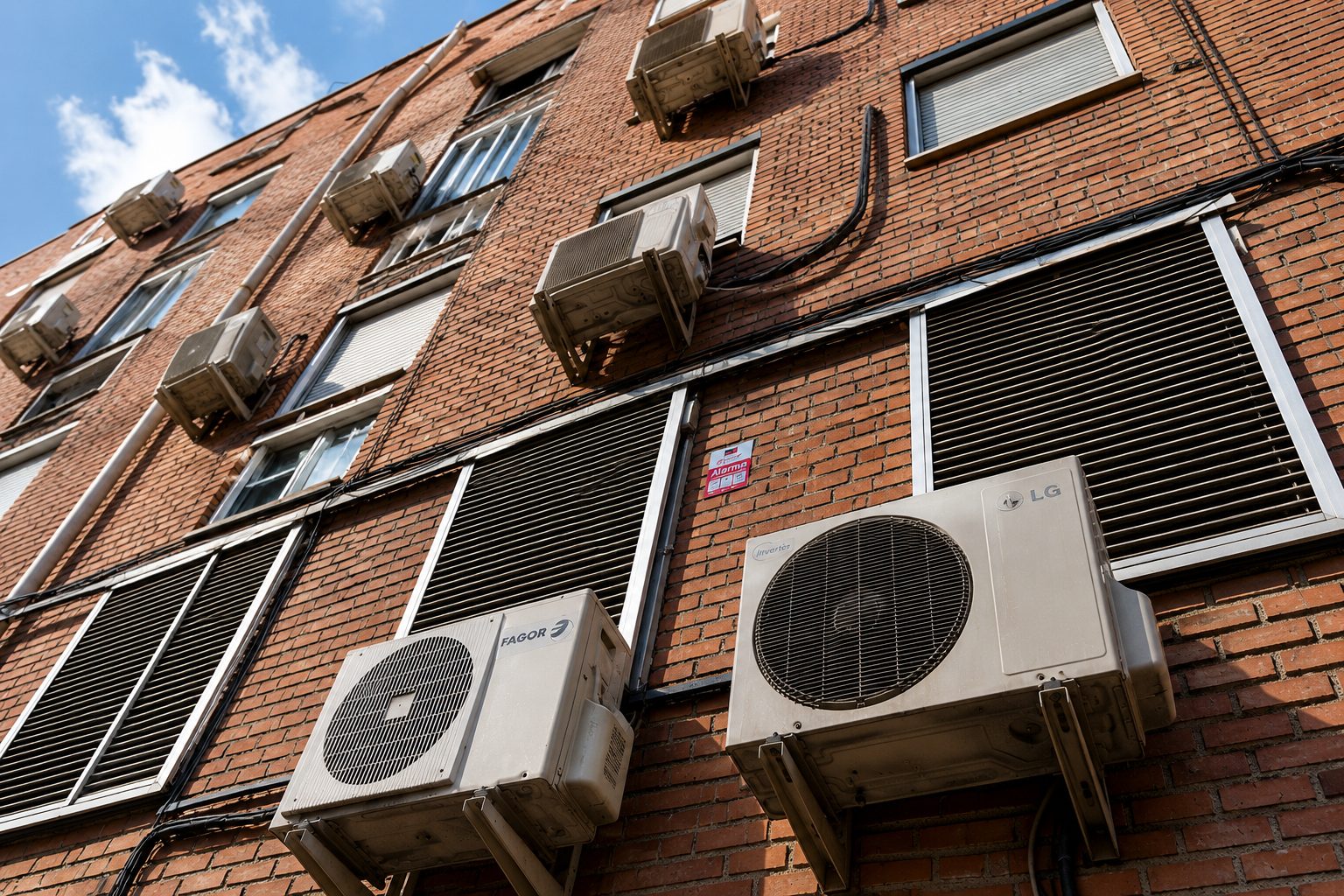
Europe heat heats up grid as investors watch low air-con adoption

Europe heat heats up grid as investors watch low air-con adoption

Europe’s all-time June heat is putting cooling-system demand and grid resilience to the test. The World Meteorological Organization said the heatwave smashed late-June records and disrupted infrastructure and labour output in countries from Portugal to Romania. “Heatwaves like this are what we expect to see in a changing climate,” said WMO’s John Kennedy. Heat pushed east on Saturday. Germany saw a provisional high of 41.3 degrees Celsius near Saarbruecken, Reuters said, with most of Germany under extreme-heat warnings. Italy issued red alerts in 18 cities, including Milan and Rome. Karsten Brandt of Donnerwetter.de said some areas in Germany would hit “well over 40 degrees.”
France vows stable electricity bills in 2026 — but new charges could still push costs up

France vows stable electricity bills in 2026 — but new charges could still push costs up

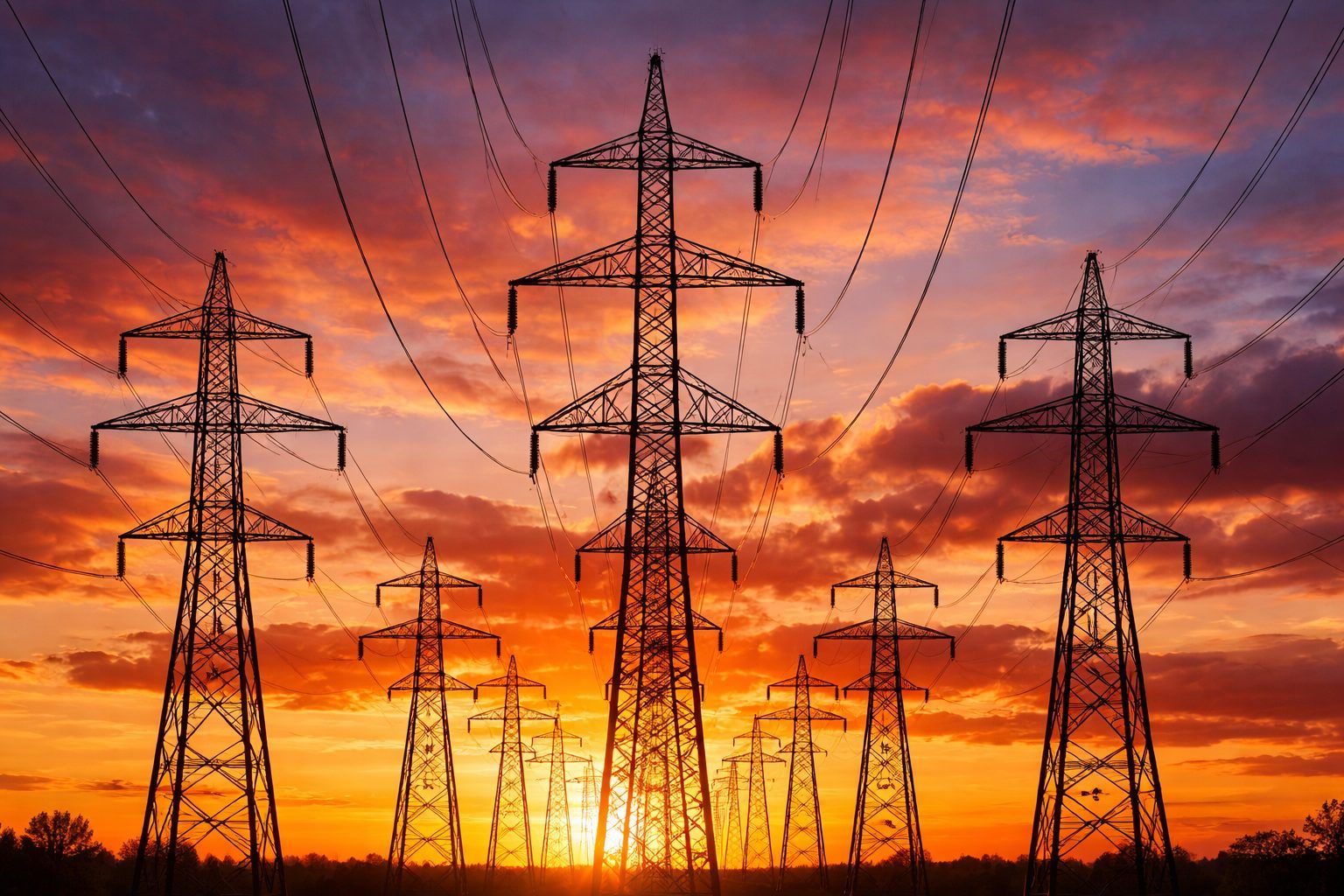
France’s economy ministry says most households should not see their electricity bills rise in 2026 and 2027 as the country enters a new pricing regime for nuclear power from Jan. 1. L'Energeek The reassurance comes just ahead of the expiry of ARENH, a long-running scheme that capped the price of part of EDF’s nuclear output and helped set the benchmark for retail electricity offers.
30 December 2025
Space News Roundup: July 2025 / Updated: 2025, July 3rd, 12:00 CET

Space News Roundup: July 2025 / Updated: 2025, July 3rd, 12:00 CET

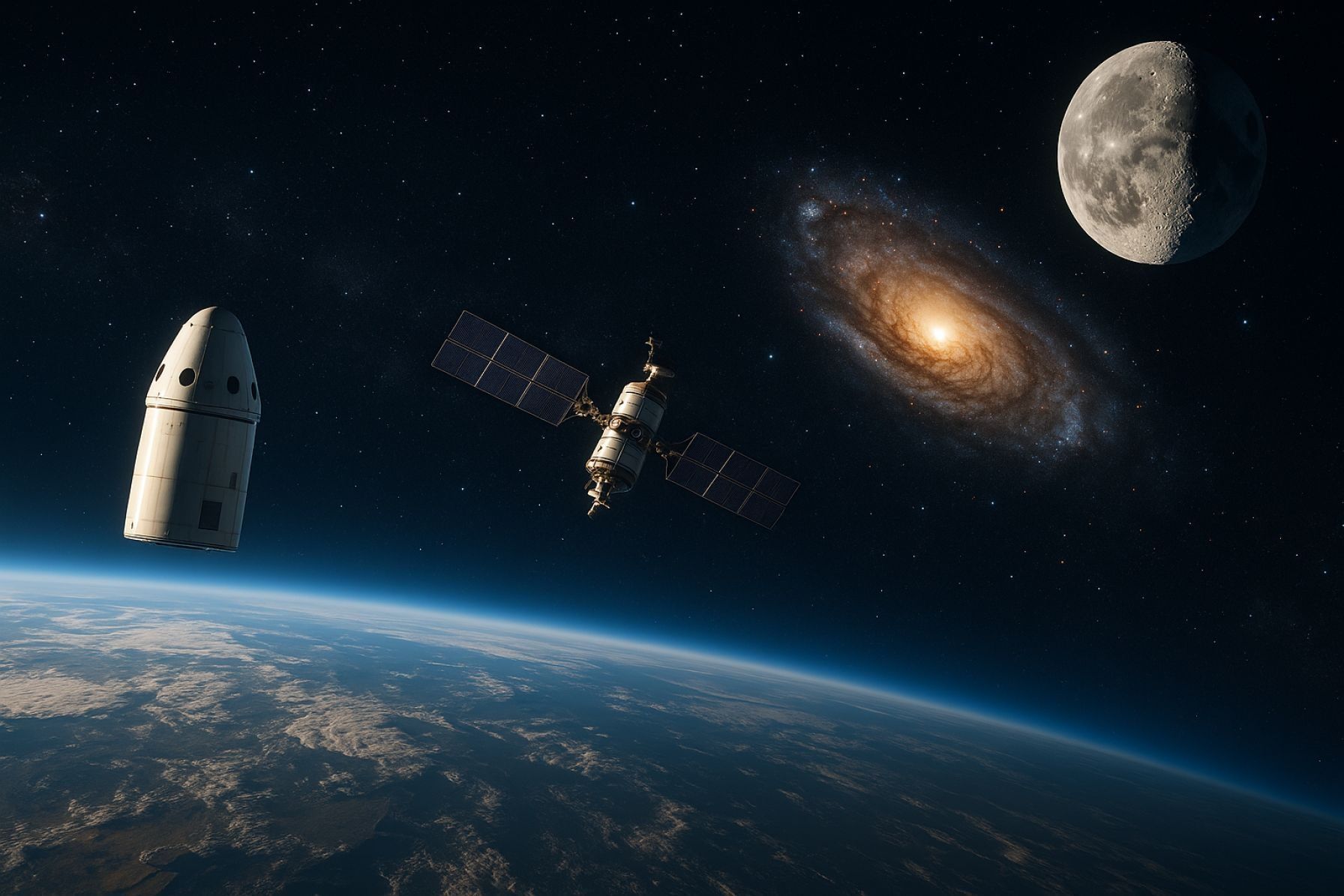
Europe launched its first geostationary atmospheric sounding satellite, MTG-S1, as part of the Meteosat Third Generation program, equipped with a hyperspectral infrared sounder and Copernicus Sentinel-4 for air-quality monitoring, with a 9–12 month commissioning phase. Russia’s Kosmos-2558 approached the U.S. reconnaissance satellite USA-326, with a sub-satellite ‘Object C’ displaying high maneuverability and potential anti-satellite capabilities. MethaneSAT, an $88 million climate satellite launched in March 2024 by EDF, Google, and SpaceX, lost contact after 15 months, creating a gap in global methane-emissions monitoring. SpaceX marked its 500th Falcon 9 launch, deploying Starlink satellites as the booster landed successfully and its overall
Space News Roundup: July 2025 / Updated: 2025, July 3rd, 00:00 CET

Space News Roundup: July 2025 / Updated: 2025, July 3rd, 00:00 CET

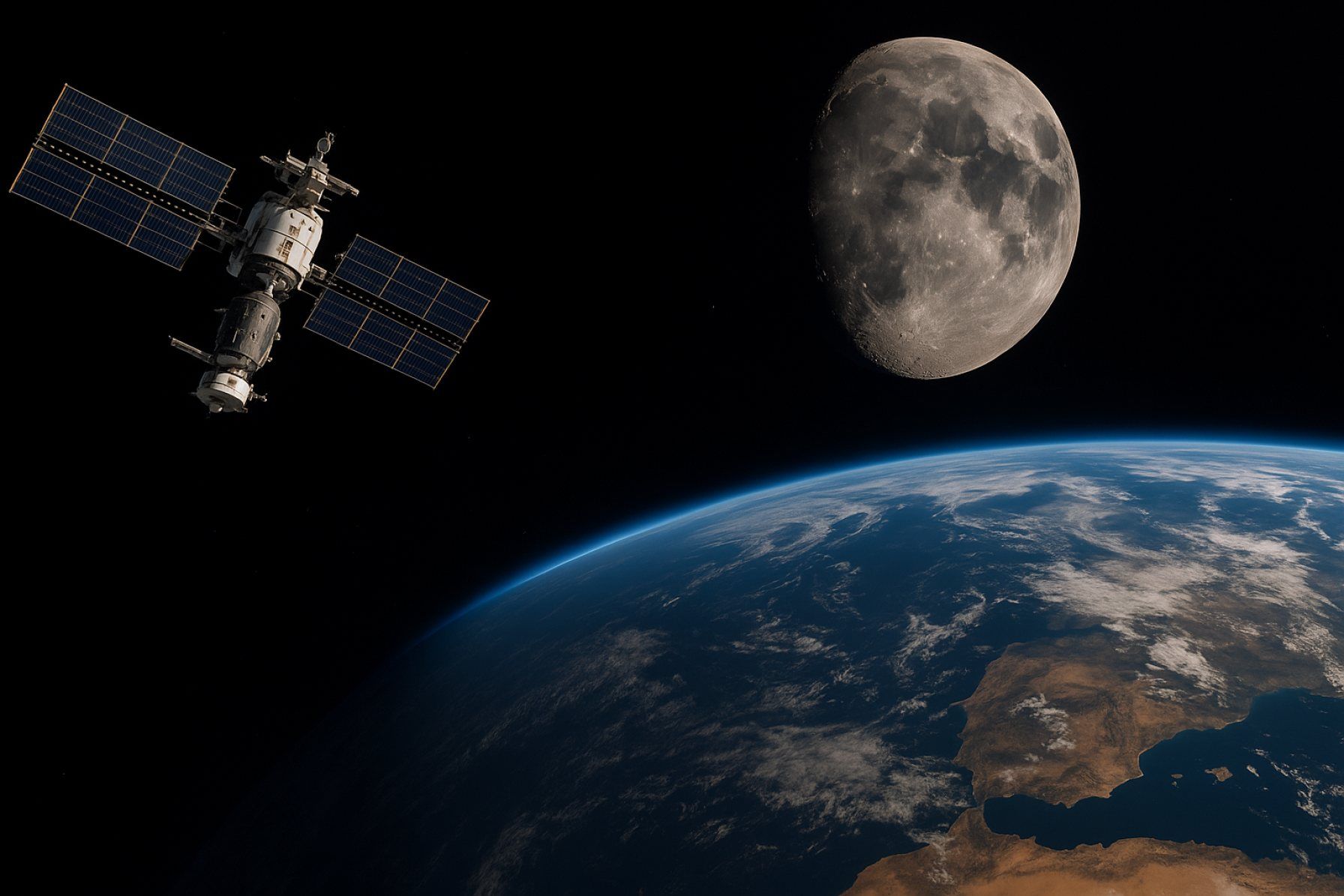
SpaceX marked its 500th Falcon 9 launch with the deployment of 27 Starlink satellites and the 29th booster reuse. MTG-S1, Europe’s first geostationary hyperspectral infrared atmospheric sounder, launched July 1, 2025 on a SpaceX Falcon 9 alongside the Sentinel-4 instrument for hourly air-quality data over Europe and North Africa. MethaneSAT, an $88 million climate satellite funded by Jeff Bezos and EDF and launched in March 2024, was declared lost after losing contact on June 20, 2025. James Webb Space Telescope directly imaged TWA 7b, a Saturn-mass exoplanet about 110 light-years away, with a surface temperature around 120°F. James Webb mapped
Space News Roundup: July 2025 / Updated: 2025, July 2nd, 00:00 CET

Space News Roundup: July 2025 / Updated: 2025, July 2nd, 00:00 CET

The Vera C. Rubin Observatory released its first images from Cerro Pachón, Chile, featuring galaxies and the Trifid Nebula, and will generate 10 million alerts per night with the world’s largest digital camera. NASA’s James Webb Space Telescope directly imaged a Saturn-mass exoplanet orbiting the star TWA 7. MTG-S1, a 1.8-ton satellite carrying the Sentinel-4 instrument, launched on a SpaceX Falcon 9 and will provide 3D atmospheric maps every 30 minutes along with hourly air-quality data. The MethaneSAT satellite, funded by EDF and Bezos Earth Fund and launched in March 2024, has lost power and is likely not recoverable, marking
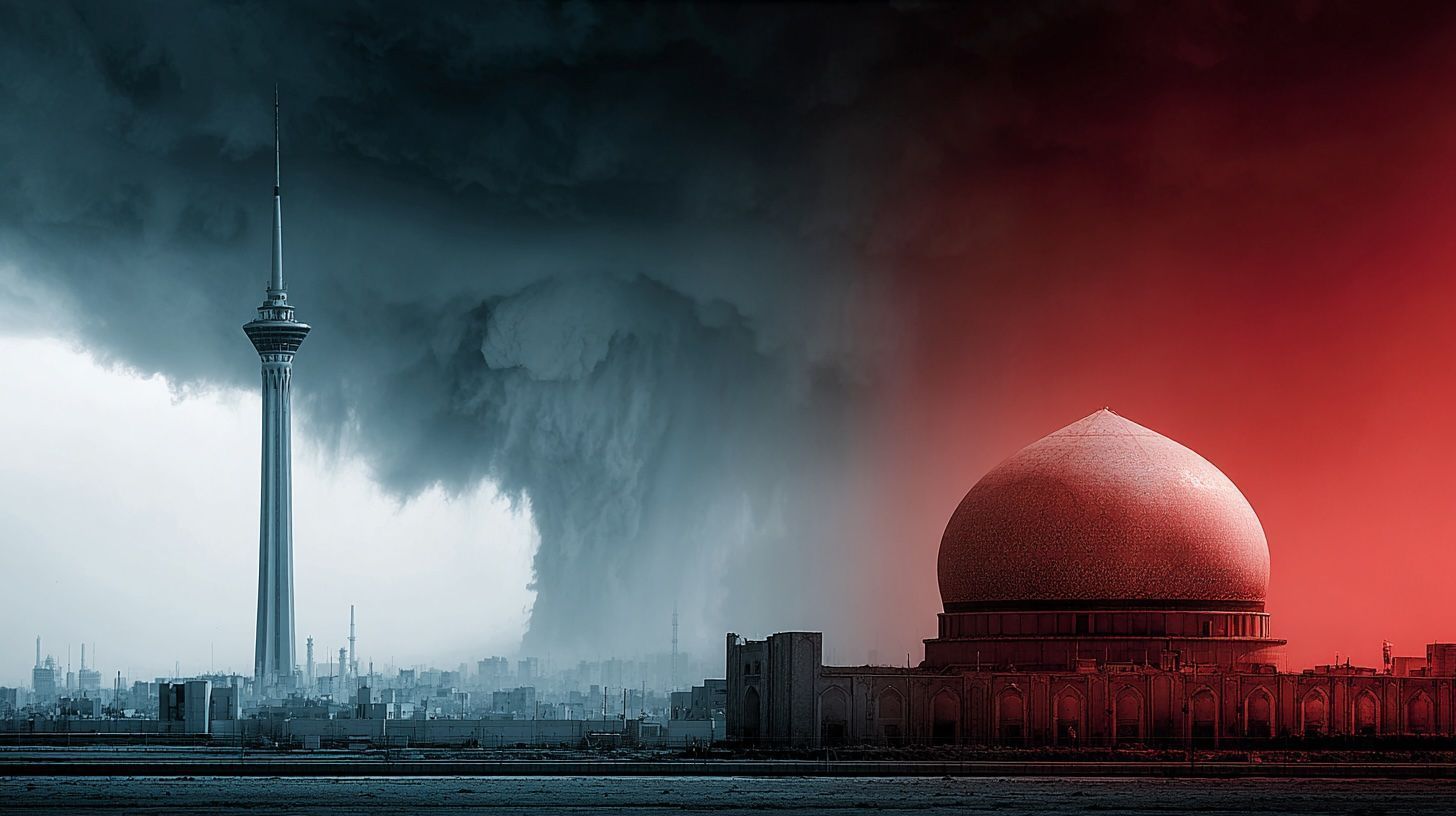
From Atoms for Peace to the Nuclear Brink: The Shocking Timeline of Iran’s Nuclear Program (1950s–2025)

From Atoms for Peace to the Nuclear Brink: The Shocking Timeline of Iran’s Nuclear Program (1950s–2025)

Iran’s nuclear program has evolved from a U.S.-backed research initiative in the 1950s into one of the world’s most contentious proliferation challenges. Over seven decades, Iran has moved from peaceful nuclear cooperation under the Shah to a secretive post-revolution quest that alarmed the world. International negotiations, sanctions, and covert actions have punctuated this saga, as Tehran insists its aims are peaceful while other nations fear weapons ambitions. This comprehensive report explores the full historical development of Iran’s nuclear efforts – the key milestones, technical advances, international oversight, and geopolitical tug-of-war – from inception in the 1950s up to the latest developments in 2025. It examines how uranium enrichment and advanced centrifuges expanded Iran’s capabilities, how agencies like the IAEA have tried to monitor Tehran’s activities, and how major powers and Iran’s own domestic politics have shaped a high-stakes nuclear showdown. We begin with a timeline of major events and technical milestones, followed by detailed sections on technical aspects, international oversight, Iran’s objectives and treaties, diplomatic efforts, global reactions, sanctions impact, and the domestic political context. The report concludes with the most recent developments in Iran’s nuclear program.
17 June 2025

Stock Market Today

  • ASX Ends Flat as Traders Await RBA Minutes
    June 29, 2026, 10:16 PM EDT. The Australian share market finished flat on the final trading day of the financial year. Investors kept to the sidelines ahead of the Reserve Bank of Australia's minutes, with traders looking for clues on the next policy steps amid economic uncertainty. Activity was muted, with mixed moves across sectors as the market took a cautious stance before the RBA's update on inflation and growth.
Go toTop