
NEW YORK, August 27, 2026, 21:05 EDT — Brent crude added 2%, reaching $89.70 after discussions involving Iran failed to produce an agreement, sending oil prices higher.
- Brent crude closed up 2.1% at $89.70 per barrel.
- U.S. WTI rose 1.6% to $83.53 following three straight sessions of losses.
- U.S. crude stocks increased by 0.1 million barrels, reaching 428.9 million.
Oil prices surged on Thursday as Washington declined to revert to previous Iran deal terms. Brent climbed $1.85 to $89.70, while U.S. West Texas Intermediate increased $1.28, reaching $83.53 Reuters settlement report.
The shift brought back a geopolitical premium that had diminished over the previous three sessions. Traders were anticipating that diplomatic efforts would enhance Gulf supply flows, but that expectation lost momentum late Thursday.
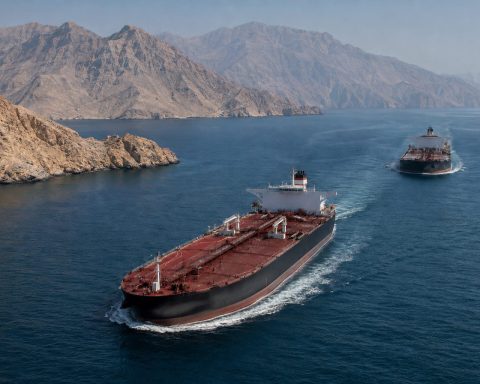
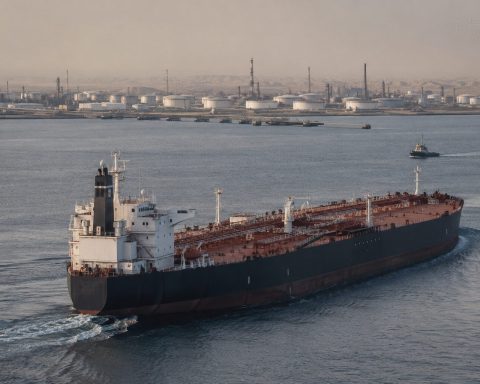
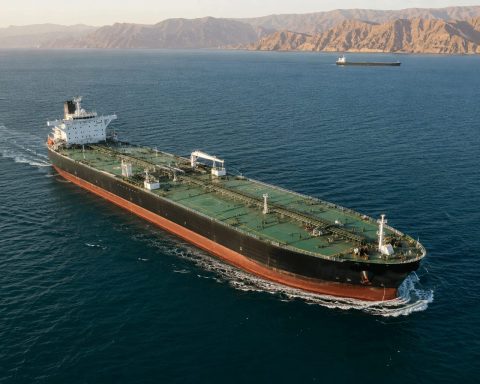
The Wall Street Journal said President Donald Trump was against restoring the terms agreed in June. The news lowered hopes for immediate sanctions relief and added difficulty to attempts to stabilize movement in the Strait of Hormuz.
Physical data remained underwhelming. U.S. commercial crude stockpiles rose by just 0.1 million barrels last week, bringing stocks to 428.9 million barrels, or 1% higher than the five-year average for this time of year EIA weekly report.
Gasoline stockpiles decreased by 2.5 million barrels and are currently 6% under the five-year average. Refinery utilization climbed to 97.4%, restricting the potential for a significant further rise in processing.
| Oil benchmark or reference | Aug. 27 value | Change or gap |
|---|---|---|
| Brent crude settlement | $89.70/bbl | up 2.1% |
| WTI crude settlement | $83.53/bbl | up 1.6% |
| Brent premium to WTI | $6.17/bbl | 7.4% above WTI |
| EIA Q3 Brent forecast | $85.00/bbl | Brent ended 5.5% above forecast |
| EIA Q4 Brent forecast | $78.00/bbl | Brent finished 15.0% higher than forecast |
The outlook for the forward test is straightforward. The EIA projects Brent will average roughly $85 this quarter, declining to $78 in the fourth quarter as Hormuz shipping conditions improve and previously halted production comes back online EIA outlook.
The settlement on Thursday has already surpassed those projections. Brent closed 5.5% higher than the third-quarter forecast and was 15.0% above the fourth-quarter estimate.
The wider view is also significant. Brent has averaged close to $90 in 2026, compared to $70 in 2025. The 29% jump has pushed up fuel and freight expenses, even as equity markets have remained robust Reuters six-month review.
For investors, the $6.17 premium on Brent serves as the immediate risk indicator. An expanding spread would point to fresh strain on barrels traded globally. WTI would stay partly insulated by U.S. supply.
Risks: A confirmed shipping route or resumed talks could swiftly remove the premium. On the other hand, any increase in military activity could drive up costs for freight, insurance, and refinery feedstocks.
The upcoming U.S. inventory report is set for release on September 2. In the meantime, tanker movements and formal diplomatic efforts will play a key role in short-term price setting.
Related articles: Commodities






![Australia Stock Market Today 28/08/2026 [UPDATE: 10:37 AEST] [ASX Rebounds as Tech and Energy Offset Bank Weakness]](https://ts2.tech/wp-content/uploads/2026/08/AU-market-dashboard-2026-08-28-1034-480x384.jpg "Australia Stock Market Today 28/08/2026 [UPDATE: 10:37 AEST] [ASX Rebounds as Tech and Energy Offset Bank Weakness]")