New York, January 6, 2026, 10:55 EST — Regular session
- Eli Lilly shares up about 1.6% after Nimbus announces oral obesity drug collaboration
- Deal terms include $55 million upfront/near-term milestones and up to about $1.3 billion total plus royalties
- Novo’s $149-a-month Wegovy pill rollout keeps investors focused on oral competition
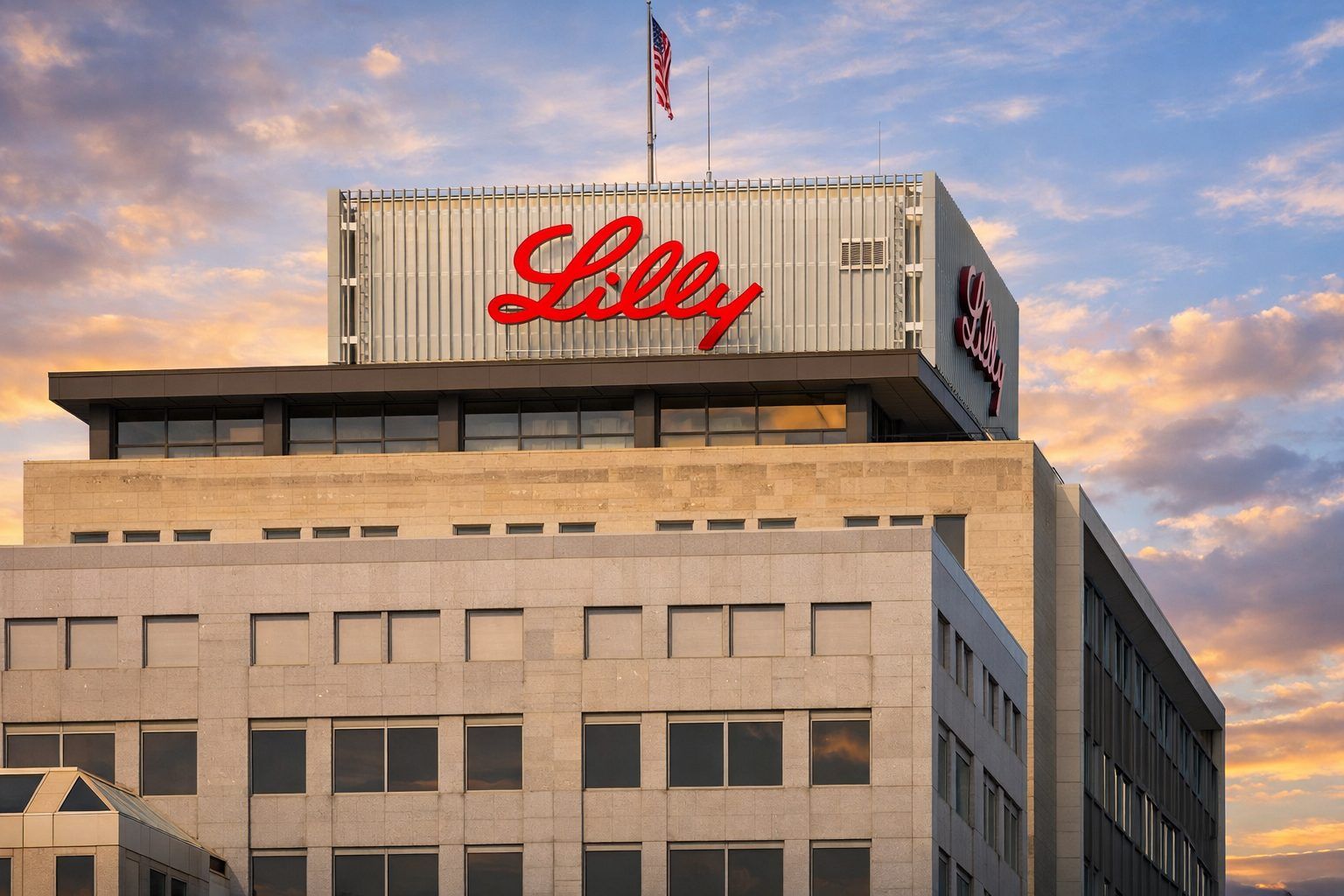
Eli Lilly and Company (LLY) shares rose about 1.6% on Tuesday after Nimbus Therapeutics announced a research and licensing agreement with the drugmaker aimed at developing an oral obesity treatment. Lilly was trading at $1,057.80 in New York morning trade, after moving between $1,040.15 and $1,070.77 earlier in the session. Reuters
The tie-up matters because pills could widen access and intensify competition in weight-loss medicines, a market where convenience and price are becoming as important as results. Investors have watched the sector shift from supply constraints toward a more consumer-style market that could pressure margins as more options reach pharmacy shelves.
Novo Nordisk said on Monday it would begin selling its once-daily Wegovy pill in the United States, offering 1.5-milligram and 4-milligram doses at $149 per month for self-paying patients. That launch has sharpened attention on how quickly Lilly and others can expand oral choices and defend pricing power. Reuters
Nimbus said it is eligible to receive $55 million in upfront and near-term milestone payments, which are cash installments tied to pre-set research and development goals, and up to about $1.3 billion in total payments including development, commercial and sales milestones, plus tiered royalties. “We are pleased to deepen our collaboration with Nimbus,” said Ruth Gimeno, group vice president for diabetes and metabolic research and development at Lilly. Nimbus R&D president Peter J. Tummino said the company’s integration of AI, or artificial intelligence, with structure-based design has “enabled us to consistently deliver optimized clinical candidates” for difficult targets. nimbustx.com
Nimbus will apply its computational chemistry and structure-based drug design approach to an early-stage small-molecule program, while Lilly will contribute metabolic-disease expertise and lead development and commercialization, the companies said.
For Lilly investors, the agreement adds another route to an oral therapy as the market tilts toward easier-to-take products that may be cheaper to make than injections. The companies did not disclose when the program might enter human testing.
But early discovery programs carry a high failure rate, and obesity drugs face tight scrutiny on side effects, insurance coverage and long-term pricing. A faster-than-expected price war for pills could also squeeze profitability across the sector.
The next clear catalyst for Lilly is its fourth-quarter earnings call on Feb. 4, when investors will listen for updates on demand, supply and pricing for its obesity and diabetes franchise and the pace of its broader oral pipeline. investor.lilly.com