HOUSTON, March 3, 2026, 09:20 (CST)
- Exxon Mobil, TotalEnergies, and Shell landed on analysts’ lists of majors seen as particularly vulnerable to Middle East turmoil, with the Iran war snarling both output and major shipping lanes.
- Oil and gas prices shot higher, giving a boost to major energy stocks and leading one Wall Street analyst to raise price targets on Exxon and Chevron.
- Qatar’s halt on LNG shipments is squeezing companies linked to the regional gas trade.
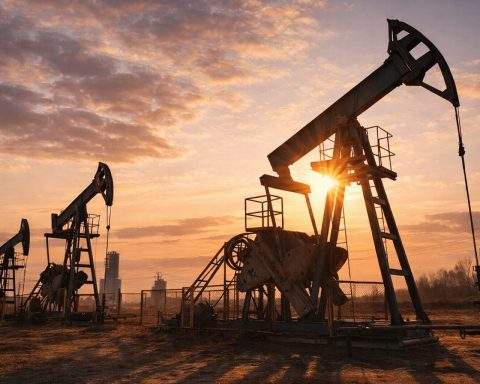
Exxon Mobil, TotalEnergies, and Shell are looking at increased threats to their oil and gas production, with analysts pointing to the U.S.-Israel conflict with Iran as fields go offline and shipping routes get squeezed. Still, the sector finds support from climbing prices. Reuters
The big concern right now: the Strait of Hormuz. Tankers packed with crude, fuel, and LNG squeeze through this narrow passage between Iran and Oman to get out of the Gulf. If shipping stalls here, supplies dwindle quickly and buyers end up paying higher prices.
Brent crude futures jumped roughly 7% Tuesday, climbing to $83.44 a barrel at 1326 GMT after an earlier spike to $85.12—the highest level since July 2024. U.S. crude also saw a 7% gain, reaching $76.26, according to Reuters. Ships and tankers have steered clear of Hormuz as insurers pulled coverage, and ING analysts flagged a potentially greater risk if Iran decides to hit other energy sites in the region. Reuters
Jefferies figures show roughly 29% of TotalEnergies’ production comes from the Middle East. That’s higher than Exxon, with about 20% of its oil and gas sourced there, and Shell, which analysts also put at 20%, according to the research notes.
Gas is likely an even trickier spot for Exxon. TD Cowen points out that almost 60% of Exxon’s LNG business is tied up in the Middle East, which puts extra pressure on the company as buyers chase after available supply.
Qatar’s state-run QatarEnergy partners with all three firms, and it stopped LNG production Monday following Iranian drone strikes on its sites. With Qatar responsible for roughly 20% of the world’s LNG, any shutdown there sends shockwaves far past the Gulf.
Exxon wouldn’t comment on its regional operations, Reuters reported. Shell and TotalEnergies didn’t respond right away to requests for comment.
Big oil stocks keep catching bids as traders factor in a geopolitical “oil risk premium”—that extra bump in crude prices for possible supply shocks. Exxon added a little more than 1% Monday. Over at Bank of America, analyst Jean Ann Salisbury upped her target for Exxon to $151 from $135, and boosted Chevron’s to $206 from $188, per a Motley Fool piece published on Nasdaq. nasdaq.com
Barron’s highlighted Monday’s strong session for U.S. energy shares, with Chevron reaching a new high at $189.60 and Exxon ticking up 1.1%. The publication quoted strategists backing large, steady producers as a way to hedge against escalating risks near Hormuz. Barron’s
Rising benchmark prices tend to pad profits for oil and gas sellers, but the trade isn’t straightforward. Extended stoppages risk leaving cargoes stuck, squeeze margins, and drag down volumes, particularly for those with regional production and LNG in the mix.
The Nasdaq column pointed out that Iran’s oil output hasn’t taken a real hit yet. Markets are still watching the conflict’s next move—that’s the big question. If shipping lanes reopen, prices could drop in short order; a broader infrastructure blow would push them the other way.
Shipping risk keeps ratcheting higher. London’s Joint War Committee—closely tracked by marine underwriters—has expanded the stretch of Gulf waters it considers high-risk, according to Reuters. War-risk premiums? Up fivefold in the past few days. Munro Anderson at specialist Vessel Protect says the broader high-risk area “helps stabilise global supply chains by reducing uncertainty” for energy and goods movement. Reuters
Analysts eyeing Exxon have flagged Golden Pass LNG in Texas as a near-term counterweight. The project, set to launch production this month, stands out as one of the company’s tangible new supply sources while the Gulf outlook remains in flux. Even so, this may not soothe markets today.