
New York — April 30, 2026, 08:01 EDT
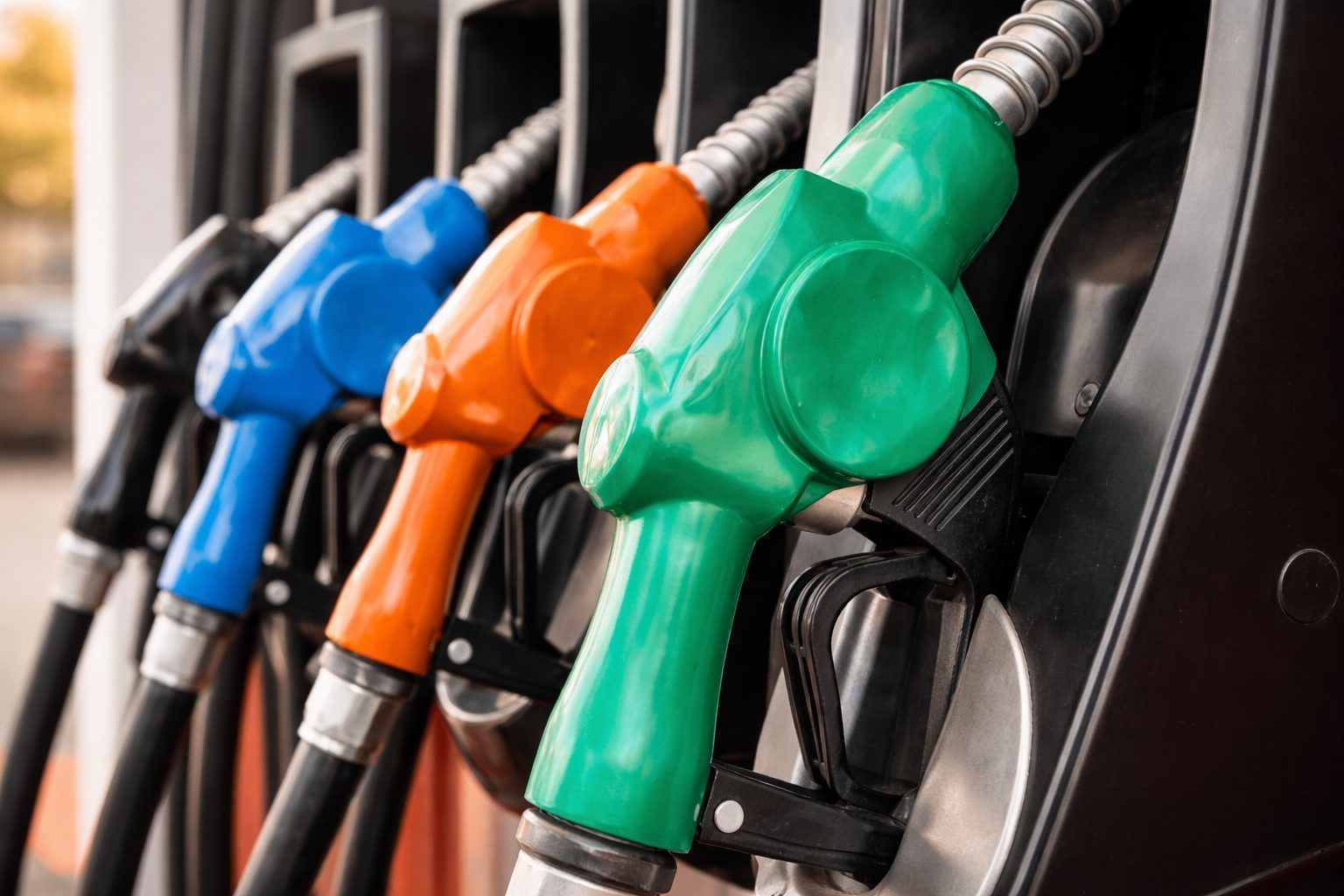
Gasoline across the U.S. jumped to an average of $4.30 a gallon on Thursday—marking the priciest level since almost four years back. A mix of the Iran war, shrinking fuel inventories, and refinery snags forced crude costs higher, feeding straight into pump prices. That’s piling extra strain on consumers right ahead of peak summer driving.
Timing’s key here. According to AAA, regular gas rose to $4.03 from last week, up from $3.18 a year back. Diesel, tied closely to freight and delivery bills, averaged $5.50 a gallon. Fuel inflation still cuts across households, retailers, and the Fed right as travel demand typically picks up.
Oil’s driving the action right now. Brent crude—widely watched as the global standard—spiked past $126 a barrel on Thursday, then pulled back to $121.90 for June contracts. U.S. crude followed, touching $108.28, according to AP. For comparison, Brent hovered near $70 before the war started in late February.
The Strait of Hormuz is still the main pinch point. Reuters noted that snarls in the route—which handles roughly 20% of global oil and gas shipments—have pushed U.S. pump prices up more than 40% since late February through Tuesday. Crude is climbing as a result, said Rystad Energy’s Susan Bell: “There has been no progress there at all.” Reuters
U.S. oil output is high—hitting a record 13.6 million barrels per day in 2025, according to the Energy Information Administration. Still, drivers haven’t been shielded from swings in global prices, with bottlenecks at refineries and logistics issues also weighing, analysts told MarketWatch. “There’s a buffer in the U.S. energy system,” said Rebecca Babin, senior energy trader at CIBC Private Wealth, “but it doesn’t operate in a vacuum.” U.S. Energy Information Administration
Crude oil isn’t the whole story when it comes to gasoline prices. According to the EIA, what drivers pay at the pump also reflects taxes, refining expenses and margins, plus costs tied to distribution and marketing. Refining itself doesn’t cost the same everywhere or year-round—summer’s cleaner blends, mandated across much of the country, usually add a premium on top of higher warm-season demand.
Supply’s tightened in a hurry. According to EIA data reported by Reuters, U.S. crude exports surged to a record 6.44 million barrels per day last week. Crude inventories slid by 6.2 million barrels. Gasoline stocks were down too, dropping 6.1 million barrels to 222.3 million—the eleventh weekly decline in a row, right as peak driving season approaches.
The squeeze isn’t hitting everywhere the same way. Michigan saw its average regular gas price leap to $4.58 by Thursday from $4.02 at the start of the week, CBS Detroit said, as both global oil moves and local refinery snags took their toll. That compares to a $4.30 national average that day.
Refinery issues have left the Midwest more vulnerable. According to Reuters, Phillips 66’s Wood River facility and Marathon Petroleum’s Robinson plant—both in Illinois—were hit by scheduled maintenance, while BP’s Whiting refinery in Indiana suffered a short power loss. Reuters, citing Rystad data, said unplanned outages reached roughly 150,000 barrels a day in April. Planned outages came in higher, at 670,000 barrels a day.
Retailers haven’t necessarily pushed the entire burden onto customers yet. Tom Kloza, chief energy adviser at Gulf Oil, noted station margins have been under significant pressure, saying retailers have been “taking one for the team.” If wholesale prices remain elevated, Kloza warned, gas station prices will have to climb; otherwise, some dealers could end up losing money on fuel sales. Reuters
For drivers, there’s a risk on the downside, but also a ceiling. Analysts, according to a Reuters poll, have bumped up 2026 oil price projections for the second time since the Iran conflict flared, with Brent now pegged to average $86.38 a barrel this year. A few flagged the possibility that prices could remain stubbornly high if Hormuz stays closed. Still, Dennis Kissler of BOK Financial pointed out that if gasoline prices stay up for too long, “demand destruction” could set in—drivers might hit the brakes on travel or pare back fuel consumption. Reuters
Gasoline is still trading under AAA’s record high for regular unleaded, which topped out at $5.016 back in June 2022. That buffer has narrowed since last month. If crude stays elevated, refineries stumble, or exports keep draining supply, prices at the pump could break higher from here.
Related articles: NYSE:XOM