
Berlin, June 21, 2026, 15:03 CEST
- German advisers plan to recommend tying retirement age to life expectancy and introducing a state-run capital fund.
- Austria is back in the spotlight as a pension benchmark, though new data point to inflation and differences between men and women making the comparison less clear.
- The plan would put Chancellor Friedrich Merz’s coalition to the test, as unions and welfare groups warn it could bring hardship for older workers.
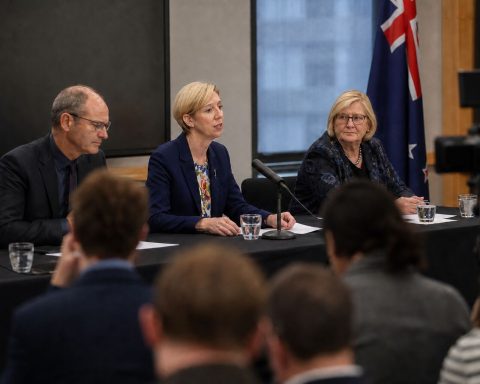
BERLIN — Germany’s pension commission will recommend raising the retirement age, lifting contributions, and setting up a new state-run investment fund, according to Reuters and Handelsblatt. The proposals are headed to Chancellor Friedrich Merz and Labour Minister Bärbel Bas on Tuesday.
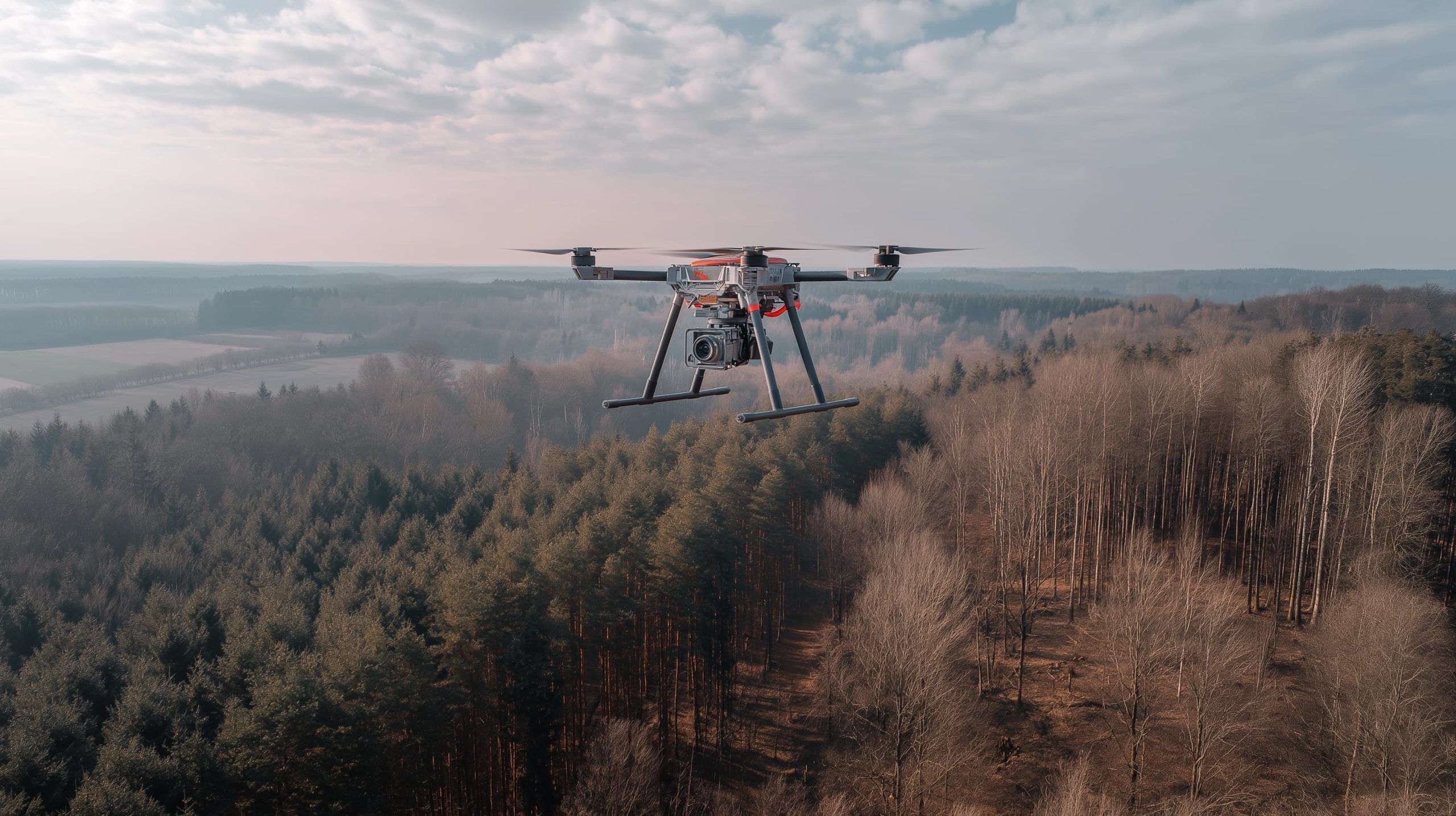
Timing is key. Berlin is juggling pension promises, shaky public finances, and expanding rearmament plans, Handelsblatt said Sunday. That includes more defence-industrial projects with Australia, like drones and Boxer armoured vehicles. Pensions and defence fall under different budget lines, but now they fight for political attention.
The commission is looking at tying retirement age to life expectancy, Handelsblatt reported, with the age hitting 67.5 in 2041 and 68 by 2051. Reuters, quoting sources, reported that this method would push the age toward 70 by 2092 based on current trends. Right now, German law aims to raise the pension age to 67 in the early 2030s.
The plan would scrap deduction-free early retirement at 63 for those with 45 contribution years, but it includes hardship exceptions for people close to retirement who have tougher work records. It’s also set to launch a new funded pillar that puts some payroll contributions into financial assets, shifting toward a Sweden-style system meant to bolster pensions from around 2040. “Funded” here means money goes into investments rather than paying current retirees. Handelsblatt
Reaction was swift. Marcel Fratzscher, president of the German Institute for Economic Research, told Handelsblatt the proposals were “too cautious” and lacking “courage and consistency.” Social association leader Michaela Engelmeier said returns from a capital-funded piece couldn’t be calculated. Verdi’s Frank Werneke argued the plans ignored the daily “reality” for workers in tough physical and mental jobs. Handelsblatt
Austria draws the obvious, if uneasy, comparison. ZDF’s WISO said nearly all Austrian workers pay into a shared pension plan. The program showed government-backed pensioners’ clubs where people take part in things like yoga and stay active.
Austrian pensions have jumped in recent years, driven in part by adjustments for high inflation, Kronen Zeitung reported, citing new pension-insurance data. But the paper also noted that the gap is getting wider between people already on pensions and new retirees.
Austrian pension-insurance data lists 2025 old-age pensions paying out an average 1,705.26 euros a month to women and 2,434.77 euros to men, with 2.17 million pension payments sent in December. But fresh numbers from Statistics Austria for 2024 have women at 1,563 euros and men at 2,620 euros monthly, paid 14 times a year, with the gender pension gap at 40.3%.
Austria kept its 2026 pension adjustment below the inflation gauge. The Social Affairs Ministry said pensions up to 2,500 euros are up 2.7%. Pensions above that got a flat 67.50-euro boost. The consumer price index rose 2.9% to 3.0%.
Germany faces trade-offs with each reform choice. Market-linked funds could let down savers if returns lag. Raising the pension age puts more pressure on people in tough jobs. Getting the self-employed or politicians to pay in won’t fix the gap alone. Austria’s example gives better benefits but at a steep cost to the state, with women still lagging men in what they get.
Austria’s public pension bill is at 14.8% of GDP and is set to climb to around 15.4% by 2035, the OECD said, calling it one of the highest rates among its members. The group said costs would later fall, but said more changes are needed. The OECD pointed to linking retirement age to life expectancy as one way Austria could keep costs in check and keep more people working.
Germany faces clear choices on pensions. The country can demand longer working lives, higher pension contributions, more market risk, or a blend of these. The commission wrapped those options into one proposal, and Merz’s coalition will have to pick what it can back.
Related articles: Stock Market