
Mexico City, June 21, 2026, 07:05 (CST)
- All three Mexican airport groups that trade saw international passenger numbers drop in May, with Cancún and Puerto Vallarta taking some of the biggest hits among resort airports.
- VivaAerobus saw international passenger numbers fall 20.1% after it reduced international capacity. Volaris and Aeroméxico reported higher passenger totals.
- Mexican airline stocks have trailed U.S. carriers this year as investors look at traffic mix, fuel costs and engine caps, according to El Economista analyst Eduardo Caballero.
Mexico’s slowdown in international air travel got worse in May, with passenger numbers weakening at resort airports and dragging on airline and airport values. Foreign passenger flows have been soft for a second month.
Early signs of strain are turning up in the passenger mix, not a sharp fall in Mexican travel overall. Domestic business helped keep some volume steady, but international travelers mean more for airport fees, retail, and airline yields. So the softer foreign arrivals make a bigger dent than headline traffic data shows.
Awkward timing for Mexico, which is in its busy summer travel period and is co-hosting World Cup matches. But Caballero said in a note the tournament probably won’t change the recent trend for the listed airport groups. He pointed to the fact that much of the Mexico City traffic goes through airports outside their concessions.
ASUR reported a 1.6% drop in total passenger traffic for May versus last year. The operator of Cancún airport saw Mexico international traffic down 10.0%. International traffic through Cancún airport fell 11.1% to 1.31 million.
GAP said total terminal passengers across its network fell 4.1%. Its 12 Mexican airports saw a 2.8% decline. International traffic dropped 8.2%. Among major Mexican leisure airports, Puerto Vallarta had the deepest cut in international passenger numbers, tumbling 26.5%.
OMA posted a 3.6% bump in total traffic at its 13 airports, with domestic passenger numbers up 4.7%. But the airport operator still saw international traffic slip 2.8%.
VivaAerobus reported mixed May numbers. The carrier said it flew 2.5 million passengers, down 1.4% from a year ago. International passenger traffic dropped 20.1%. International capacity, as measured by available seat miles, fell 26.3%. CEO Juan Carlos Zuazua blamed “elevated fuel prices” and Pratt & Whitney engine groundings that sidelined some planes.
Volaris moved higher on passenger growth. The airline reported a 7.2% gain in May passengers to 2.68 million. International traffic jumped 15.4%. Load factor came in at 86.2%. CEO Enrique Beltranena called demand “healthy,” pointing to strength in cross-border routes. GlobeNewswire
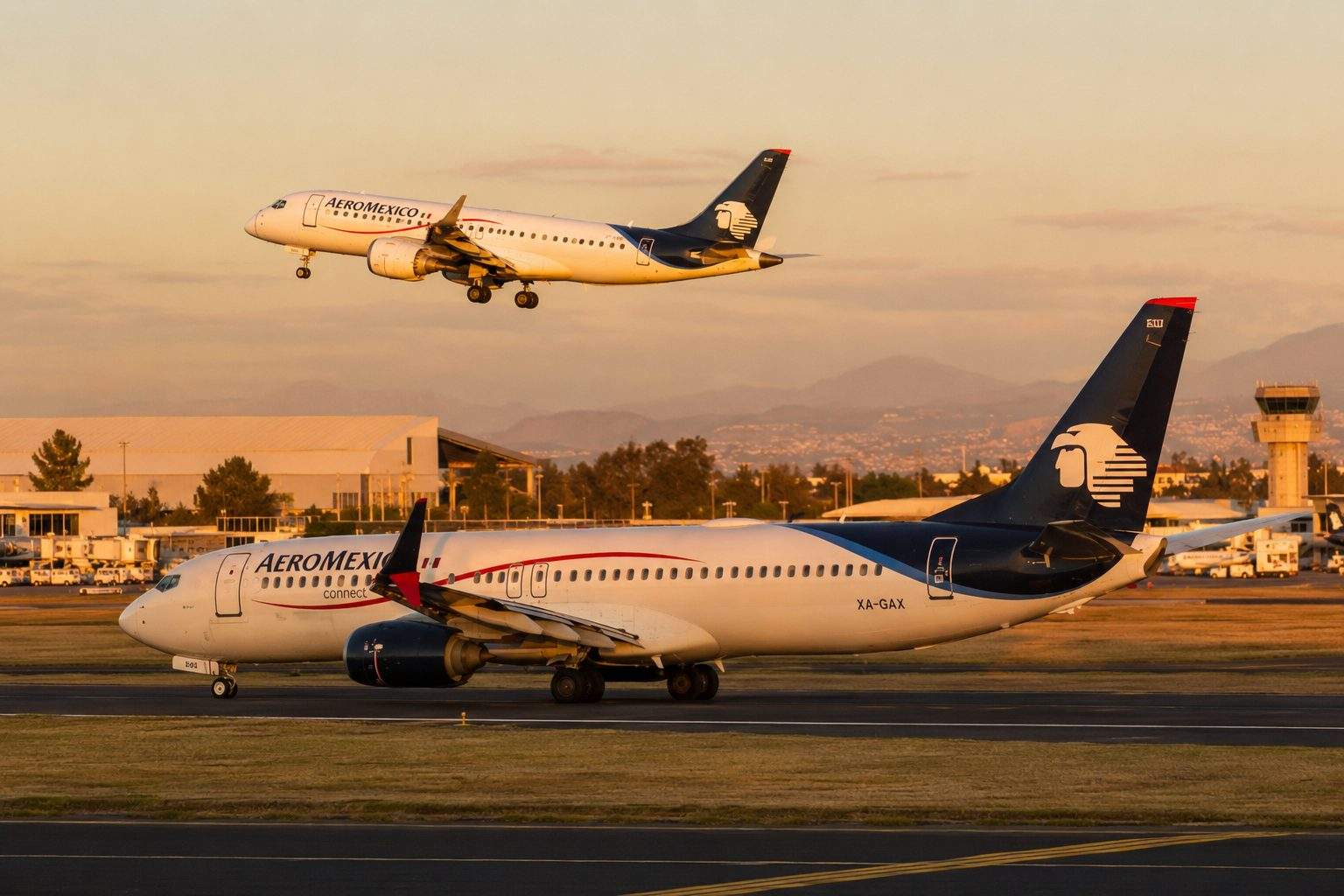
Aeroméxico posted slight gains in May. Passenger traffic edged up 2.1% to 2.10 million, while international traffic added 4.6%. Load factor hit 85.8%. CEO Andrés Conesa said demand is ahead of capacity growth.
Investors face a tough setup here. Caballero pointed out Volaris has dropped 2.3% for the year even with a recent bounce. Aeroméxico is down even more—off 23.2% on the BMV and 19.7% in New York. By contrast, U.S. names like Delta and United have risen.
Soft May numbers don’t mean the summer will be weak. Volaris and Aeroméxico are still getting passengers on board, and cutting capacity can keep fares up as long as demand stays steady. The bigger problem comes if fuel costs, engine issues, or expensive airport fees get worse while foreign traffic drops again, which would squeeze margins more.
Mexico still has travelers, but the mix is changing. If foreign leisure and cross-border demand remain weak at beach airports, airport operators might keep margins steady for now. Airlines, though, are stuck with grounded planes and higher fuel costs, and there aren’t many easy ways to make up for it.
Related articles: Airlines