- Price Today: Gold traded around $4,028/oz on Oct. 29, 2025 (mid-morning U.S. time), up about 1.9% on the day after sliding to a three-week lowreuters.com. This comes after a sharp 10% pullback from the recent record peak of ~$4,381/oz hit on Oct. 20ts2.tech.
- Strong Rally: The metal remains +50–60% year-to-date, on pace for its best annual gain since 1979ts2.techts2.tech, despite the brief late-October correction.
- Market Drivers: The 2025 gold boom has been fueled by safe-haven demand amid persistent inflation, geopolitical conflicts (Ukraine, Middle East, etc.), recession worries and aggressive Fed rate-cut expectationsts2.techreuters.com. Recent optimism about a U.S.–China trade “mini-deal” and a firmer dollar have spurred profit-takingts2.techts2.tech.
- Policy & Demand: Investors bet the U.S. Fed will cut rates by 25 basis points today, which typically boosts non-yielding gold. Meanwhile, central banks (China, India, etc.) are hoarding gold (China has bought gold 11 months runningts2.tech), and festival-season demand in India remains strong (Diwali/Dhanteras buying)reuters.com.
- Other Assets: Silver is also strong (around $48.35/oz, +2.8% on Oct. 29reuters.com); Brent crude oil ~$64.6/barrel, WTI ~$60.4reuters.com; U.S. stocks hit record highs (S&P 500 ~6,891, Nasdaq ~23,827 on Oct. 28)reuters.com. Bitcoin remains elevated (topping $125,000 in early Octreuters.com) amid crypto ETF inflows.
- Analyst Outlook: Forecasts diverge. Big banks (HSBC, Bank of America, JP Morgan) project $4,600–5,000/oz by 2026 as risks persistreuters.comreuters.com. Cautious voices (Goldilocks, Capital Economics) warn of profit-taking and have lower targets (~$3,500–3,800)ts2.techreuters.com.
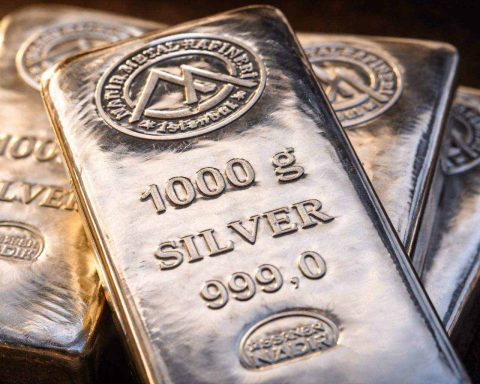
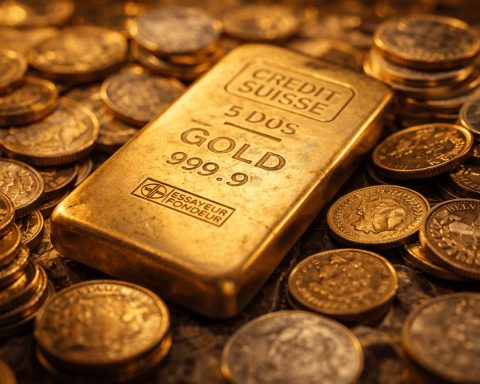
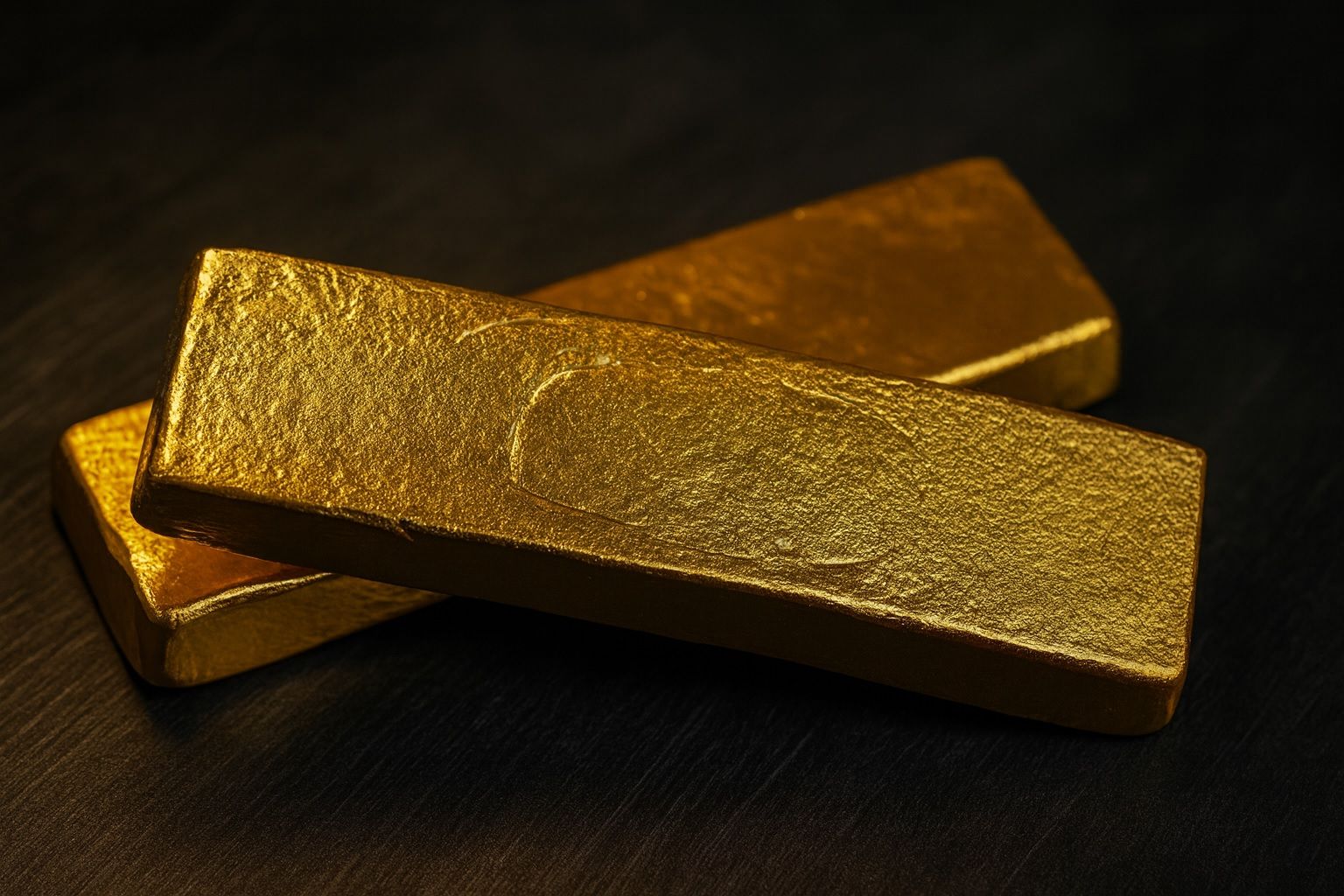
Gold bars sit atop a table – the recent price jump back above $4,000 reflects booming demand amid global uncertainty. As of Oct. 29, 2025, spot gold is trading around $4,028 per ouncereuters.com, after a volatile week of record highs and sharp pullbacks. Key drivers include expected Fed rate cuts (supporting gold) and eased U.S.-China trade tensions (which briefly dented demand)ts2.techreuters.com.
Gold Price Today and Recent Trend
Gold surged nearly 2% on Oct. 29, rebounding to about $4,028/oz by 10am GMTreuters.com after hitting ~$3,970 late on Oct. 28 (the weakest since early Oct). This bounce followed a steep correction from October’s record highs. On Oct. 20, spot gold briefly hit an unprecedented ~$4,381/oz – fueled by “war conflicts, inflation, recession fears” and widespread safe-haven buyingts2.tech. In less than two weeks, gold gave back much of those gains: by Oct. 27 it traded below $4,000 for the first time since early Octoberts2.tech.
Despite the pullback, gold’s rally remains historic. From roughly $2,650 in Jan 2025 to over $4,000 by late October, bullion is up about 57% YTDreuters.com. Even after this week’s dip, gold is still about 50–60% higher than a year ago, on track for its strongest annual performance since 1979ts2.tech. In other words, the 2025 rally has been extraordinary – dwarfing the ~15% rise in U.S. stocks (S&P 500) or the ~25–30% gains in most commodities.
Market data confirm gold’s vigor: after hitting all-time highs, technical indicators showed overbought conditions, prompting some profit-takingts2.tech. However, analysts note that dips have attracted buyers rather than a capitulation. As Peter Fertig of Quantitative Commodity Research observes, bargain-hunting kicks in when gold “has lost a bit more than 10% of its value, which makes it attractive again because the underlying gold story is still valid”reuters.com. In fact, historically price dips often coincide with major central bank purchases – and many expect official buyers to step in. ANZ economists note that declines could “provide an opportunity for central banks to ramp up purchases”reuters.com.
Macro Drivers: Fed, Inflation & Geopolitics
Gold’s epic rally owes to a “perfect storm” of uncertainty. Surging inflation and slowing growth have dashed confidence in conventional assets. Geopolitical flare-ups – from the protracted war in Ukraine to renewed Middle East tensions – sent investors scrambling for safety. TS2.tech summarizes that “global economic and political turmoil underpins gold’s ascent,” including inflation and “flight to safety” as money poured into bullionts2.tech. Central banks’ record-buying (especially in Asia) and massive ETF inflows (over $60 billion YTDts2.tech) have provided further fuel.
Crucially, expectations of monetary easing have lifted gold. With inflation showing signs of cooling and economies slowing, markets bet the U.S. Federal Reserve will soon cut rates. Indeed, Fed officials are widely expected to announce a 25-basis-point cut on Oct. 29reuters.com. Lower real interest rates make non-yielding gold more attractive. As JPMorgan’s Natasha Kaneva states, “Gold remains our highest conviction long for the year, and we see further upside as the market enters a Fed rate-cutting cycle”reuters.com. In this view, a combination of Fed easing, “stagflation anxiety” and even currency diversification away from the dollar supports gold’s upsidereuters.com.
By contrast, signs of improving risk appetite have dampened the recent rally. Hopes of a U.S.–China trade “truce” and a temporary Israel–Hamas ceasefire reduced the urgency for safe havens. TS2.Tech reports that news of progress in trade talks and a slight easing of global tensions caused some investors to sell gold, noting the “dimmer ‘fear factor’ reduced the appeal of hiding in gold”ts2.tech. A strong U.S. dollar has also played a role: as the greenback rallied off multi-year lows, gold became pricier for overseas buyers (since bullion is dollar-denominated). “A stronger U.S. dollar has made gold pricier… dampening buying interest,” TS2.tech explainsts2.tech. In sum, the mid-week pullback appears driven by profit-taking and easing fears rather than a change in fundamentals.
Global Demand: Central Banks and Asia
Gold’s fundamental demand remains robust. Central banks worldwide – from China and India to the oil exporters – are aggressively adding to reserves. For example, the People’s Bank of China has added gold for 11 consecutive months through September, and overall official sector buying is at multi-decade highsts2.tech. This reflects a long-term trend of diversifying away from the dollar; as JP Morgan notes, foreign holders of U.S. assets are “gradually redirecting small allocations into gold”reuters.com.
In Asia’s private markets, demand is cyclical but still strong. India’s festive season (Dhanteras and Diwali, late Oct 2025) historically sees a surge in gold purchases as investors and consumers buy jewelry and coins. Reuters reports that Indians snapped up gold at any price last week, but paused when prices pulled back, expecting still-lower ratesreuters.com. A Mumbai jeweller noted buyers are now cautious, postponing purchases after a brief price correctionreuters.com. Chinese demand also shows resilience: even as Beijing saw spot prices fluctuate between $4,000 and $4,300, local traders observed few sellers. Bernard Sin of MKS PAMP reports “little evidence of traders offloading physical holdings” in China, saying “investors continue to hold positions amid macroeconomic uncertainty and declining real interest rates”reuters.com. In short, Asian consumers and investors remain on the sidelines ready to buy dips, underpinned by local festivals, cultural preferences, and portfolio hedging.
Other Markets: Silver, Oil, Stocks, Crypto
Gold’s performance stands out, but related markets have been strong too. Silver – often called “gold’s little brother” – surged alongside bullion to multi-year highs. Silver hit around $48.35/oz on Oct. 29 (+2.8% on the day)reuters.com, though it too pared gains after gold’s high. Platinum (~$1,616/oz) and palladium (~$1,412) also ticked higherreuters.com. The gold-mining sector saw an even bigger move: the S&P Gold Miners index has roughly doubled in 2025, even after last week’s plungets2.tech.
In energy markets, oil prices showed modest strength. On Oct. 29, Brent crude was about $64.6/barrel and WTI $60.4reuters.com, up on the session amid reports of U.S. inventory draws and easing geopolitical fears (e.g. a planned U.S.–China leaders’ meeting)reuters.com. However, oil’s rise was far less dramatic than gold’s.
Equity markets, in contrast, have also enjoyed a late-October lift. U.S. stocks hit fresh records into Oct. 28: the S&P 500 closed near 6,890 and the Nasdaq near 23,827reuters.com, as investors cheered tech earnings and the same trade optimism that pressured gold. Nevertheless, on the year the major indexes are up “only” in the high teens to low 20s percent – well below gold’s 50–60% gaints2.techreuters.com. The contrast underscores gold’s unusual strength as a safe-haven outperformer even when stocks rally.
Among digital assets, Bitcoin has likewise been buoyant. The crypto rally (aided by ETF inflows and favorable regulation under the Trump administration) drove Bitcoin to all-time highs above $125,000 in early Octoberreuters.com. Bitcoin’s surge has partly paralleled gold’s – both seen as hedges against inflation and monetary debasement – though Bitcoin has since traded in a broad $105–120k range into late Oct. In sum, gold’s move reflects a broad theme of investors seeking alternatives in an uncertain world, across commodities, stocks, and crypto alike.
Expert Forecasts and Outlook
Analysts remain divided on the near-term outlook. Many large banks remain bullish on gold: HSBC forecasts that the “bull wave” will push prices up to $5,000/oz in 2026reuters.com. Its report cites ongoing geopolitical risks, continued central bank buying and Fed cuts as support. Bank of America and Societe Generale also see a $5,000 target in 2026reuters.com. JP Morgan similarly projects an average ~$5,055/oz by late 2026 and even a $6,000/oz target by 2028, expecting that Fed easing combined with fears of currency debasement will sustain the uptrendreuters.comreuters.com.
Meanwhile, some market strategists urge caution. Goldilocks Research’s Gautam Shah warns that “the rally was too aggressive” and that now “this is a good time to convert paper profit into real profit”ts2.tech. Capital Economics has trimmed its 2026 forecast to about $3,500/oz, arguing the recent 25% surge is hard to justify on fundamentalsts2.tech. Technical analysts at ActivTrades note that last week’s pullback was largely driven by a stronger dollar and profit-taking, not a change in gold’s long-term story. They stress that the drop is not a sustained trend reversalts2.tech. Indeed, many see the recent dip as a healthy consolidation. “We have a lot of buyers and no sellers,” JP Morgan’s Natasha Kaneva observed, suggesting that underlying demand remains strongreuters.com.
Looking ahead, gold’s immediate path may hinge on the Fed’s announcement and commentary. If the Fed signals more cuts next year, or if global tensions flare again, gold could resume its climb. On Oct. 29, investors will listen closely to Fed Chair Powell’s tone. For now, the gold market sits at an inflection point – prices have retraced some of the late-October highs, but the structural drivers (inflation hedge, central bank demand, flight-to-safety) remain intact. As one trader put it, the correction might be a “buy-the-dip” setup; gold bulls remain hopeful that the $4,000 level will hold as a foundation for another leg higher, possibly toward that much-discussed $5,000 target in the coming yearreuters.comts2.tech.
Sources: Spot gold price data and market moves are from Reuters and TS2.tech analysisreuters.comts2.tech. Expert commentary and forecasts are drawn from Reuters and industry reportsts2.techreuters.comreuters.com. Global demand trends are reported by Reutersreuters.comts2.tech. All prices quoted are per troy ounce of gold, as of Oct. 29, 2025.