NEW YORK, March 24, 2026, 07:37 EDT
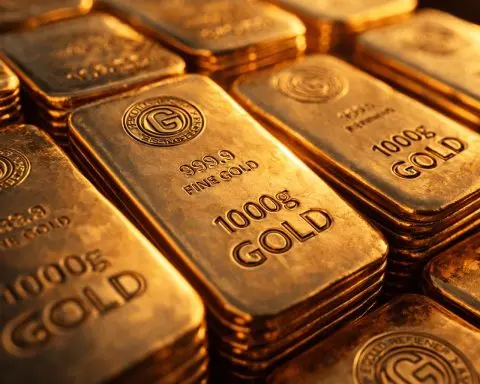
- Spot gold slipped 0.2% to $4,396.74 an ounce on Tuesday. The metal had touched $4,097.99 on Monday, marking its lowest point since Nov. 24. Reuters
- Gold traded at $4,427 an ounce as of 9:20 a.m. ET Monday, according to Fortune’s consumer tracker—$7 below the previous day, but still $1,416 higher year-over-year. Fortune
- Higher oil prices, solid yields, and a more robust dollar are chipping away at gold’s traditional safe-haven draw, analysts note. Reuters
Gold hovered just below $4,400 an ounce on Tuesday, still feeling the sting of Monday’s steep drop — one of the biggest turnarounds in years. Traders found themselves squeezed between haven buying fueled by war and a growing worry that surging energy prices could prevent any relief on interest rates. Spot gold eased 0.2% to $4,396.74 as of 0820 GMT, after plunging over 8% the previous session before managing to pare some of those losses. Reuters
Gold’s slide stands out, especially with tailwinds like crude oil edging near $100 a barrel, the dollar bouncing back, and bond yields climbing. Investors are turning away from gold’s reputation as a haven and zeroing in on its lack of yield—the metal doesn’t pay interest. Reuters
The shift hasn’t just shaken up trading desks. Fortune’s price tracker clocked gold at $4,427 an ounce early Monday, and Kitco moved right to intraday entry levels for Comex gold futures—a clear marker of sentiment flipping from a steady rally to a hunt for quick trades. Fortune
Traders are grappling with a conflict that refuses to settle. Iran shot down reports of US talks after President Donald Trump paused planned strikes on Iranian energy targets. Tehran, meanwhile, sent missile salvos toward Israel, shaking investor faith in any diplomatic breakthrough. Reuters
Kelvin Wong, senior market analyst at OANDA, pointed to the mixed signals from key players, describing markets as “in a flux right now.” For David Meger, who heads metals trading at High Ridge Futures, Monday’s surprise headlines sparked “broad reversals across markets”—metals, oil, and equities all moved. Reuters
Gold’s rally—peaking at a record $5,594.82 on Jan. 29—has been hammered by the selloff. Since the conflict kicked off on Feb. 28, the metal has dropped about 18%, according to Reuters. Gold-backed ETFs have bled $7.9 billion, with most of that coming from U.S. investors since the fighting erupted. Reuters
Still, plenty of analysts aren’t convinced the long-term trend is finished. John Reade of the World Gold Council pointed to the potential for “more profit taking and liquidation first,” though he maintains gold can hold up in stagflation. SP Angel’s John Meyer flagged persistent factors like stubborn inflation, hefty budget deficits, and ongoing central bank reserve diversification as reasons the case for gold isn’t going away. Reuters
It’s not just gold feeling the squeeze. Spot silver dropped 3.4% to $66.80 an ounce Tuesday. Platinum was down 2.1%, palladium off 2.7%. The declines deepened a broader selloff in precious metals, coming on the heels of gold’s steepest weekly slide since 1983 last Friday. Reuters
Still, short-term risks tilt to the downside if oil prices hold up and the Strait of Hormuz doesn’t reopen soon. Standard Chartered flagged that gold could face liquidity-driven pressure for another four to six weeks. Societe Generale’s Kit Juckes also sees a greater chance of higher rates if the waterway stays shut, calling them “more likely than not.” Reuters
Gold isn’t following the usual playbook during this war scare—despite sitting well above where it was a year ago, it’s behaving more like a macro trade linked to oil, rates, and the dollar, instead of acting as a straightforward safe haven. What happens next seems less about pure fear, and more about whether energy prices back off and diplomatic signals amount to anything real. Fortune