NEW YORK — Friday, Dec. 26, 2025 (5:12 p.m. ET): U.S. stocks have finished the regular session for the day, but gold is still the story heading into the final stretch of the year.
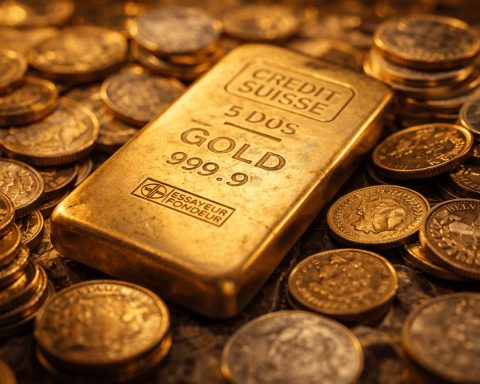
Gold prices surged to fresh all-time highs on Friday, with spot gold (XAU/USD) up about 1.2% around $4,531/oz after setting an intraday record near $4,549/oz. On the futures side, U.S. gold futures (February) settled around $4,552.70/oz, also reflecting the powerful year-end momentum in precious metals. Reuters+1
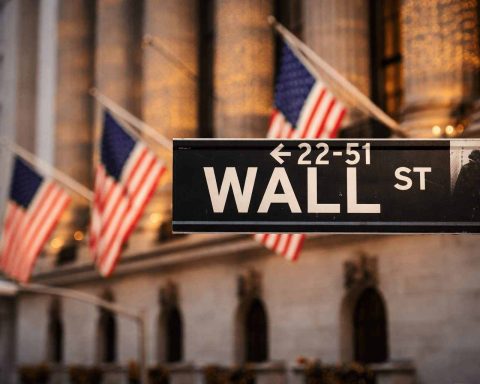
The rally is unfolding as Wall Street closes out a quiet, post-Christmas trading day near record territory—an environment that can amplify moves in “macro” assets like gold when liquidity is thin. AP News+1
Gold price now: where bullion stands after the U.S. close
By late afternoon in New York, gold had already put in a new record high near $4,549/oz before easing slightly, while remaining solidly higher on the day. Reuters+1
That “record then pause” behavior is typical of late-December markets—especially when participants are balancing year-end positioning, holiday closures abroad, and the possibility of profit-taking after a huge run. Reuters+1
What happened in today’s stock market (and why gold cared)
U.S. equities ended slightly lower in subdued trading:
- S&P 500: 6,929.94 (down 2.11 points)
- Dow: 48,710.97 (down 20.19 points)
- Nasdaq: 23,593.10 (down 20.21 points)
Trading volume was light, with many institutional desks effectively in year-end mode. AP News
The bond market was also relatively calm, with the 10-year Treasury yield around 4.13%, a level that matters for gold because yields influence the opportunity cost of holding non-yielding bullion. AP News
At the same time, Reuters’ broader market wrap noted that a weaker U.S. dollar helped “burnish” gold’s appeal, supporting the push to record highs. Reuters
Why gold is soaring: the three drivers dominating today’s headlines
Gold’s record run isn’t riding on a single catalyst. The latest reporting and analyst notes point to a stacked set of supports:
1) Fed rate-cut expectations — and the “next chair” factor
Markets have been recalibrating expectations for 2026 policy easing. Reuters reports the Fed has already cut by 75 basis points across its last three meetings of 2025, taking the benchmark rate to 3.50%–3.75%, and investors remain focused on how many cuts could come next year. Reuters
On Friday, Reuters also highlighted speculation that politics around the next Fed chair could reinforce expectations for a more accommodative path—another tailwind for gold. Reuters+1
Peter Grant, vice president and senior metals strategist at Zaner Metals, summed up the backdrop bluntly: thin markets plus easing expectations are “driving volatility,” even as “the trend remains strong.” Reuters
2) Safe-haven demand in a headline-sensitive world
Recent sessions have featured recurring references to geopolitical risk and investor hedging behavior. Earlier this week Reuters pointed to geopolitical tensions as a support for both gold and silver as they approached records. Reuters+1
3) Thin year-end liquidity (which can exaggerate moves)
Late December can be a perfect setup for overshoots: fewer participants, more stop-loss triggers, and more momentum trading. Reuters explicitly noted “thin markets,” while AP reported exceptionally light NYSE volume. Reuters+1
Demand story: central banks and ETFs remain the long-term backbone
Beyond daily macro headlines, the “who is buying” question matters—and multiple credible datasets point to the same answer: official-sector demand plus investment flows.
Central banks: still elevated, even if cooling from a peak
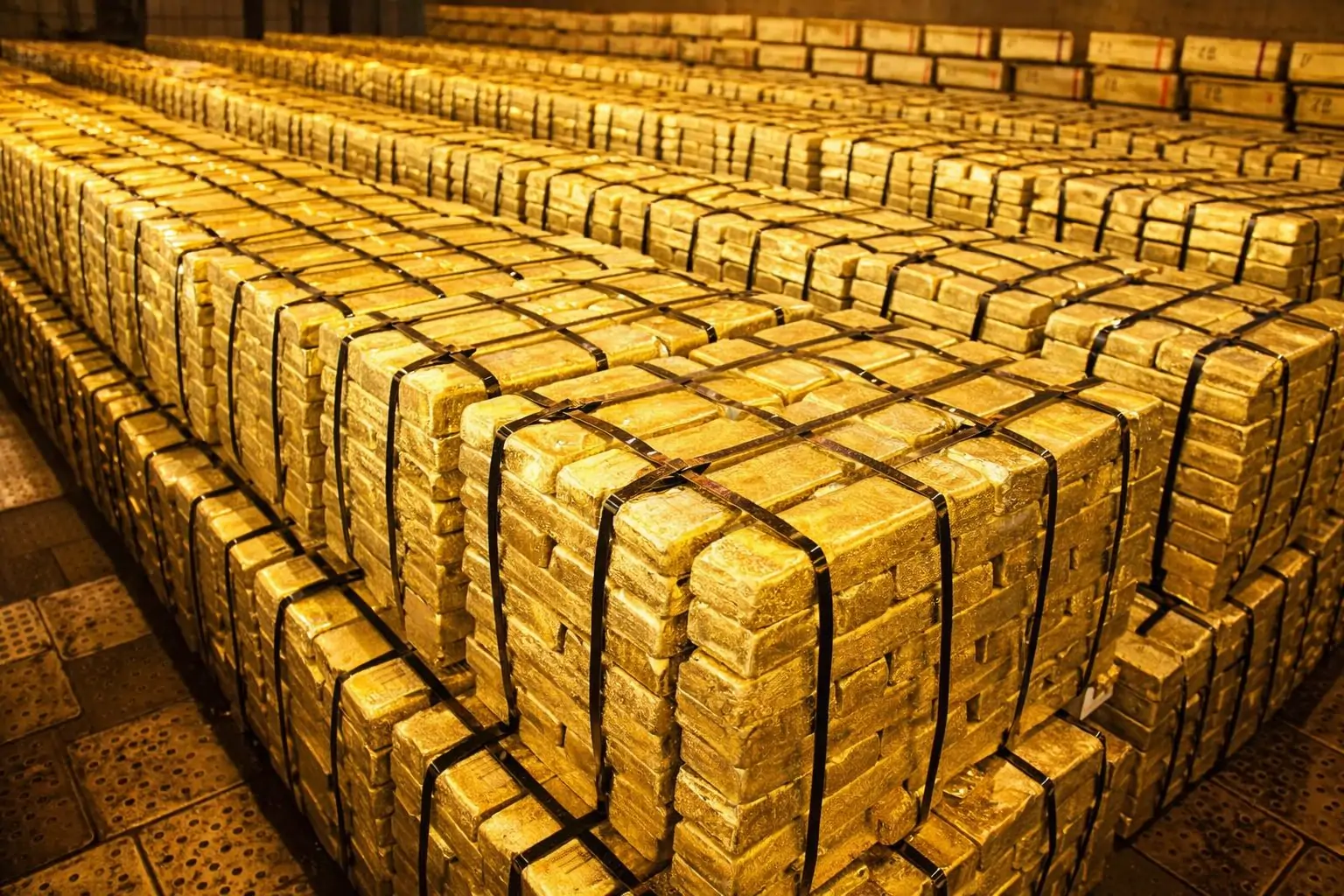
Reuters cited Metals Focus in saying central banks are on track to buy about 850 tons of gold in 2025, down from 1,089 tons in 2024, but still “very healthy” in absolute terms. Reuters
A separate Reuters analysis earlier this year also stressed that annual net purchases by central banks have been above 1,000 metric tons each year since 2022, underscoring why many strategists view central bank accumulation as structural rather than cyclical. Reuters
ETFs and investment demand: a big comeback
The World Gold Council’s Gold Demand Trends (Q3 2025) showed investors “in the driving seat,” including ETF buying of +222 tons in Q3 and central bank buying of ~220 tons for the quarter. World Gold Council
Reuters also reported physically backed gold ETFs were on pace for their largest inflow since 2020, citing World Gold Council estimates in tonnage terms. Reuters
Put together, these flows help explain why sell-offs have tended to be shallow during 2025’s run: there’s a broader buyer base under the market than in many previous cycles.
Forecasts and price targets: where major institutions see gold in 2026
With gold already above $4,500, the forecasts have become unusually bold—but they’re not all pointing in the same direction. Here’s what the most widely cited outlooks are saying.
Bullish bank calls cluster around $4,900–$5,000+
- Goldman Sachs sees gold at $4,900/oz by December 2026 in its base case, citing “structurally high” central bank demand and cyclical support from Fed cuts. Reuters
- A Reuters deep-dive on 2026 outlooks reported analysts at J.P. Morgan, Bank of America, and Metals Focus see bullion hitting $5,000/oz in 2026. Reuters
- In that same analysis, J.P. Morgan’s Gregory Shearer argued that central-bank buying lifts the “support” level under the market because demand shows up when positioning is stretched. Reuters
A “slower gains” camp still sees high levels — but expects less drama
Even among bulls, there’s a clear message: 2026 may not match 2025’s pace.
Reuters cited multiple house views in one place:
- Morgan Stanley: around $4,500 by mid-2026 (as referenced in Reuters’ outlook roundup) Reuters
- Macquarie:$4,225 average in 2026, expecting easing to taper and real rates to remain relatively high Reuters
- MKS PAMP’s Nicky Shiels: expects $4,500 average in 2026, framing gold as becoming a “multi-year” portfolio asset rather than only a cyclical hedge Reuters
The World Gold Council’s base case: rangebound vs. breakout scenarios
The World Gold Council’s Gold Outlook 2026 argues the metal may remain rangebound if current conditions persist, while still acknowledging upside scenarios if growth slows and rates fall—or if global risks intensify. It also flags a downside scenario if policies boost growth and strengthen the dollar, pushing rates higher. World Gold Council
A key risk for investors: the “double bubble” warning
One reason gold’s move is getting outsized attention: it’s rising alongside equities near record highs.
The Bank for International Settlements (BIS) has warned that the rare combination of surging gold and surging stocks can resemble “explosive behavior” not seen in decades—raising concerns about fragility if both were to correct at once. Reuters
That doesn’t mean a crash is imminent. But it’s a reminder that in a broad de-risking event—especially one tied to leverage—gold can sometimes be sold temporarily to raise cash, even if its longer-term role is “safe haven.” Reuters+1
Is the stock market closed right now? Yes — here’s what that means for gold traders
At 5:12 p.m. ET, the NYSE and Nasdaq are closed for the regular session (the U.S. cash equity market typically runs 9:30 a.m. to 4:00 p.m. ET). Nasdaq+1
Extended-hours trading exists, but liquidity is usually thinner and price swings can be sharper—especially in holiday weeks. Fidelity
Gold, by contrast, is a global market: spot and futures pricing can continue reacting to dollar moves, rates, and overseas risk sentiment even while U.S. stocks are shut.
What investors should know before the next session (Monday, Dec. 29)
With the regular stock market session done for Friday, here are the practical items that matter most before the next open:
1) Watch “thin liquidity” conditions into year-end
Multiple sources emphasized year-end thinness. That matters because sharp intraday spikes can be exacerbated by stop orders and momentum flows, and reversals can be violent. Reuters+1
Investor takeaway: if you’re trading gold-linked products (miners, ETFs, options), consider using limit orders and sizing positions for wider-than-usual swings.
2) Put the next Fed catalyst on your calendar: minutes due Tuesday
Reuters reports the minutes from the Fed’s Dec. 9–10 meeting are due Tuesday next week, a potential volatility event for rates, the dollar, and gold. Reuters
3) Track the “rates + dollar” combo more than stock headlines
Friday’s reporting repeatedly tied gold’s strength to:
- expectations of further easing in 2026
- a weaker dollar
- geopolitical uncertainty Reuters+2Reuters+2
Investor takeaway: even if stocks grind higher, gold can keep rising if real yields drift down and the dollar softens—or it can retrace quickly if yields jump.
4) Know the key nearby levels (from the tape, not theory)
Based on Reuters’ reporting this week, traders will be watching:
- Resistance/record zone: ~$4,549–$4,553 (fresh records in spot and futures) Reuters
- Psychological support: ~$4,500 (round-number magnet) Reuters+1
- Prior record area: ~$4,442 (earlier record area cited earlier this week) Reuters
5) Don’t ignore positioning risk after a massive year
Even bullish strategists repeatedly acknowledge the risk of profit-taking and corrections after an extraordinary run. Reuters+1
Investor takeaway: if you’re long, decide in advance what would invalidate your thesis (rates? dollar? easing expectations? geopolitics calming?) rather than reacting mid-swing.
Bottom line: gold enters the final week of 2025 in control — but volatility is the price of admission
Gold’s move above $4,500/oz is being driven by a potent mix of Fed easing expectations, dollar sensitivity, safe-haven demand, and structural buying from central banks and investment flows. Reuters+3Reuters+3Reuters+3
With U.S. cash equities closed for the day and year-end liquidity conditions still in play, investors should expect continued headline-driven volatility—especially ahead of next week’s Fed minutes and into the final trading days of 2025. Reuters+1