NEW YORK, February 4, 2026, 10:03 EST — Regular session
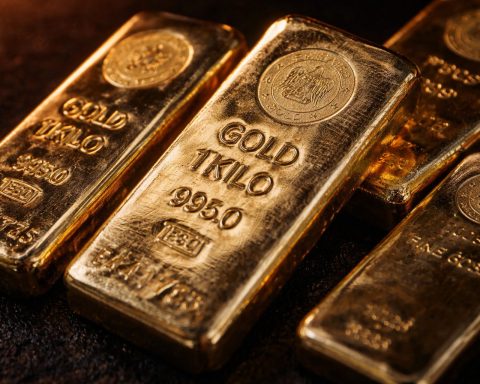
Gold surged once more on Wednesday, building on a strong bounce after a tough two-day drop erased its record highs. Spot gold climbed 2% to $5,038.99 an ounce by 9:08 a.m. ET. U.S. gold futures for April delivery gained 2.6%, reaching $5,061.90. Reuters
The rebound is significant given the selloff wasn’t a mild dip. Spot gold plunged 4.8% to $4,630.59 by 1:32 p.m. ET Monday. Analysts flagged rising margin requirements at CME Group—cash traders need to post more to maintain leveraged futures positions—as a major factor speeding up the drop after last week’s shock. Reuters
It also raises a tricky issue for a market that’s supposed to act like insurance. One-week realized volatility in gold surged past 90%, with Pepperstone’s Chris Weston cautioning that at this point, “one’s ability to hedge is shot to pieces” due to soaring costs. Reuters
Fund flows indicate many investors are still chasing exposure despite recent volatility. According to LSEG Lipper data, precious-metals ETFs pulled in $4.39 billion in January, while gold miner ETFs saw inflows of $3.62 billion—the biggest since at least 2009. J.P. Morgan noted in a report that it remains “firmly bullishly convicted” over the medium term. Reuters
Wall Street is also pushing its market predictions upward. A Reuters survey of 30 analysts and traders set the median gold price forecast for 2026 at $4,746.50 an ounce. David Russell, CEO of GoldCore, noted that institutions and systems supporting global stability are facing “tests not seen in a generation.” Reuters
The near-term focus has shifted to the physical market — what actual buyers will pay once the frenzy in paper trading subsides. Standard Chartered’s Suki Cooper said the physical market will be crucial in “setting the floor” after China’s Lunar New Year holiday in mid-February. TD Securities’ Bart Melek highlighted inflation and rising debt as driving investors to use precious metals as a hedge against “fiat currencies.” Reuters
Gold’s rebound spilled over into related stocks. Canada’s S&P/TSX Composite Index climbed 0.5% to 32,542.51 by 9:31 a.m. ET, driven by mining shares as gold continued to rise. Reuters
U.S. data failed to dampen rate-cut speculation. ADP showed private payrolls climbed 22,000 in January, falling short of the 48,000 forecast by Reuters polls. Meanwhile, the key government jobs report for January, initially scheduled for Friday, was postponed due to a partial federal shutdown that only ended Tuesday. Reuters
The road ahead remains bumpy. The selloff triggered by President Donald Trump’s choice of Kevin Warsh to head the Federal Reserve has traders on edge, cautious about new margin shifts and abrupt liquidations. Joshua Chim from broker FSMone predicts “elevated volatility” will linger until the market settles down. Reuters
Geopolitics takes center stage now, not the charts. The U.S. and Iran are set to meet in Oman on Friday, February 6, following Tehran’s request to change the venue. Tensions have ramped up after the U.S. shot down an Iranian drone and Iranian boats approached a U.S.-flagged ship in the Strait of Hormuz, a regional official said. Reuters