BENGALURU, March 29, 2026, 22:33 IST
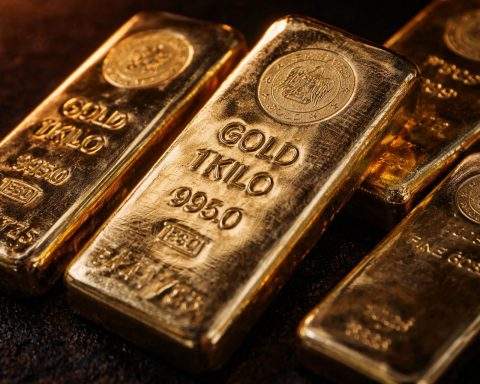
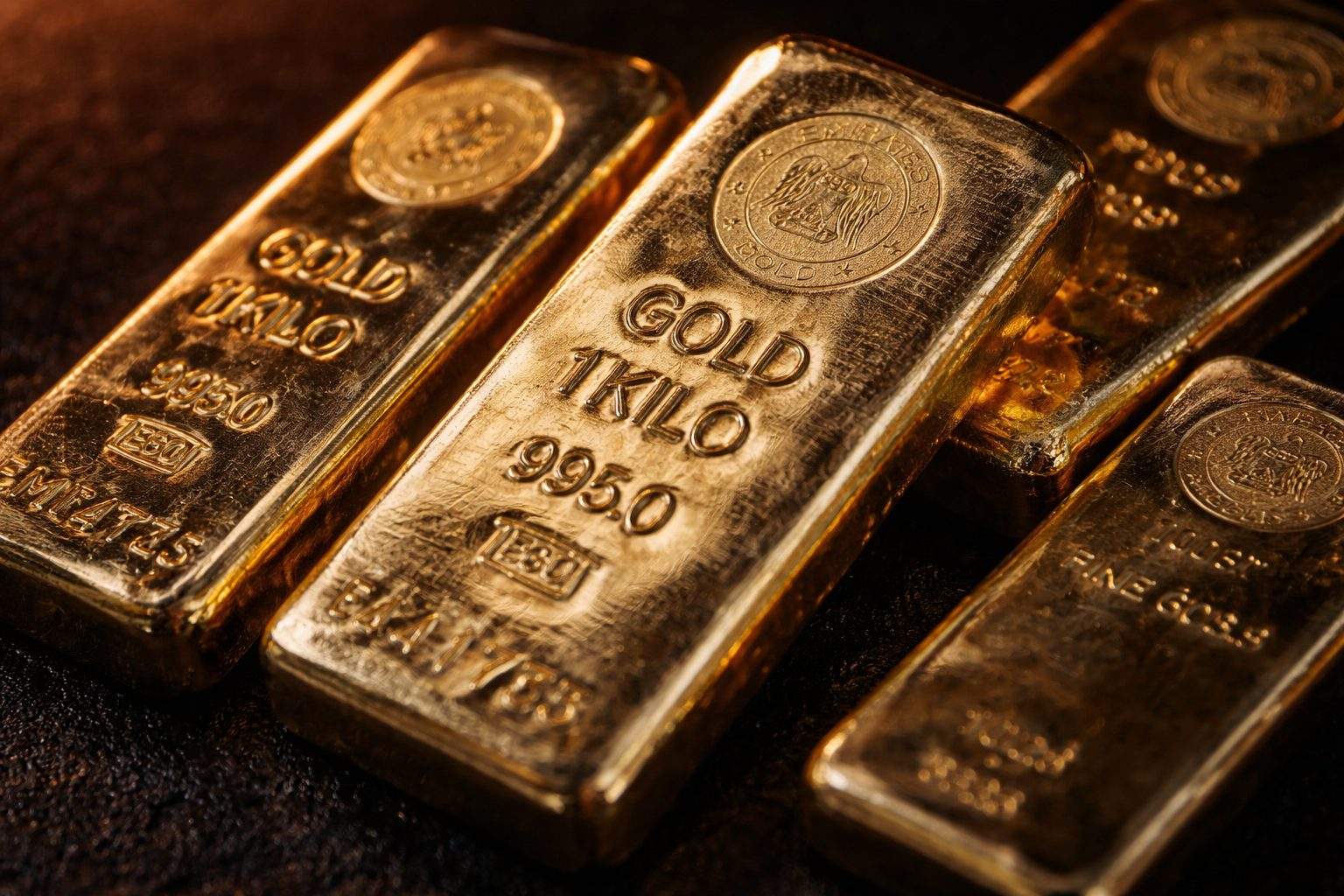
Gold surged almost 3% on Friday, ending at $4,504.79 an ounce, but that rebound could face pressure as U.S. jobs figures approach and oil prices keep pushing yields and the dollar higher. Reuters
Gold’s reputation as a safe-haven asset isn’t quite playing out the same way right now. With the Iran war triggering an oil shock, investors aren’t just piling into bullion—they’re reassessing what this means for U.S. rates and inflation. Reuters
The calendar’s packed. Reuters spotlights consumer confidence numbers, and ISM’s manufacturing PMI lands on the month’s first business day—just ahead of Friday’s March jobs print. The Labor Department plans that release for April 3 at 8:30 a.m. ET. According to the NYSE holiday calendar, U.S. stock trading will be closed for Good Friday, raising the odds that the initial response hits with less liquidity and more volatility. Reuters
Oil is leading the drop. Brent crude closed out Friday at $112.57 per barrel. The 10-year U.S. Treasury yield pushed past 4.4%. For investors, that pairing now signals persistent inflation, not just a one-off shock. It’s a tough backdrop for gold: the metal doesn’t pay interest, so higher yields elsewhere make it less attractive. Reuters
Daniel Pavilonis, senior market strategist at RJO Futures, noted that buyers stepped in as gold slipped under its 200-day moving average—a level closely watched for signals on the broader trend. He sees room for a “slow grind higher” in gold over the coming weeks. The bounce on Friday also gave silver a 2.2% lift, platinum 2.3%, and palladium 1.8%. After the dip, Commerzbank bumped up its year-end gold forecast to $5,000 an ounce from $4,900. Reuters
Physical demand isn’t offering much more than a weak base right now. In India, lower prices sparked a bit of bargain hunting and dealer discounts shrank. But in China, premiums tightened too, and MKS PAMP’s Bernard Sin noted that “physical demand has cooled.” Central-bank purchases and quota restrictions are still lending some support to prices, but that’s about it. Reuters
No let-up from Fed officials. Philadelphia Fed President Anna Paulson on Friday flagged concerns that rising fuel and fertilizer prices might push inflation expectations up more quickly—and stickier—than before, despite what she described as a “fragile” labor market. The University of Michigan’s latest survey, meanwhile, put one-year inflation expectations at 3.8% for March, up from 3.4%. Reuters
The shift has been swift. Reuters’ week-ahead note points out that fed funds futures are now pricing in a possible hike in 2026—quite a reversal for an asset usually favored when rates are heading lower. Reuters
But that bearish-rates narrative has a glaring vulnerability. On Sunday in Islamabad, discussions centered on ways to reopen the Strait of Hormuz—the channel that previously handled roughly 20% of global oil and LNG trade, now stalled by shipping disruptions. A breakthrough there could bring oil prices down, calm markets, and pull some pressure off yields. Reuters
Still, gold’s troubles aren’t over. The Houthis joined the fray over the weekend, and with Gulf stocks mostly finishing Sunday in the red, bullion stayed stuck—pressured by another wave of fear, but still weighed down by the oil shock that’s dogged it through the month. Reuters