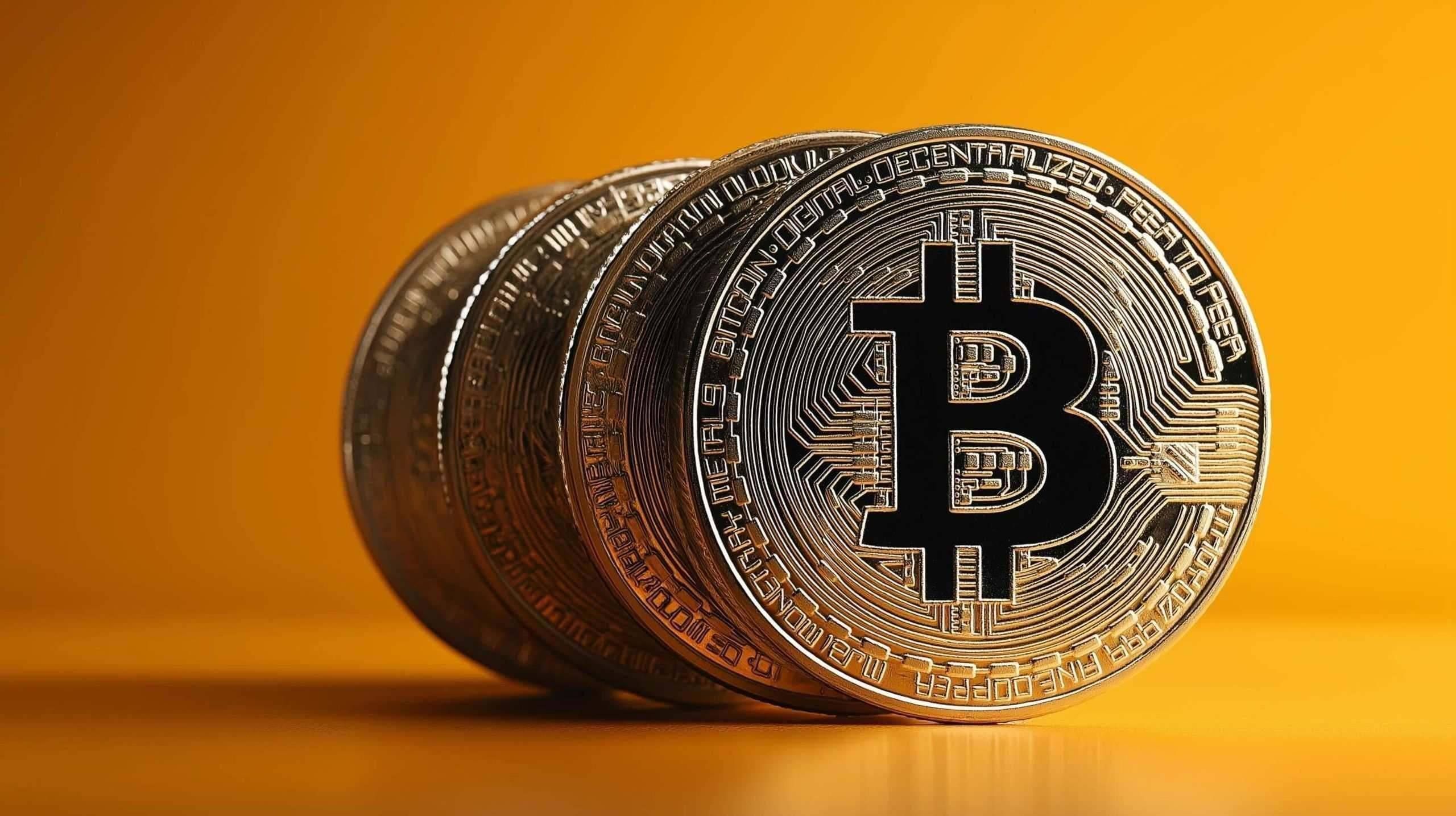

Bitcoin’s 2025 ride has been a reminder that “mainstream” doesn’t mean “stable.” Prices have swung sharply this year—Euronews noted Bitcoin’s October high around $125,000 and early‑December moves around the mid‑$80,000s to low‑$90,000s—while Ethereum and other major tokens have also faced steep pullbacks. euronews+1
At the same time, the infrastructure around crypto is rapidly changing. In the U.S., regulators are opening more doors for banks and regulated firms to participate in parts of crypto markets—while lawmakers have also pushed major new rules for stablecoins and continued debating broader crypto “market structure” legislation. Semafor+4Reuters+4OCC.gov+4
So how do you invest in crypto without treating it like a casino?
This guide is designed for readers who want a practical, risk‑aware approach—whether you’re buying your first $50 of Bitcoin, considering a crypto ETF in a brokerage account, or figuring out how to store assets safely. (Nothing here is personalized financial advice; it’s educational. Crypto can be extremely volatile and you can lose money.)
The crypto investing landscape in late 2025: what’s changed, and why it matters
1) Banks and regulated firms are moving closer to crypto rails
In December, the U.S. Office of the Comptroller of the Currency (OCC) clarified that national banks may engage in “riskless principal” crypto‑asset transactions—essentially acting as an intermediary that buys from one party and sells to another in near‑simultaneous fashion, typically without holding inventory except in limited situations (such as settlement failure). Reuters+2OCC.gov+2
Also in December, Reuters reported the OCC gave conditional approvals related to national trust bank charters for major crypto companies (including Circle and Ripple), and conversions for firms like BitGo, Paxos, and Fidelity Digital Assets—charters that can support custody and payments activities but do not allow taking deposits or making loans.
Why it matters for investors: Over time, more regulated custody, settlement, and brokerage‑style services can reduce some frictions—but it doesn’t remove market risk, and it doesn’t guarantee protection from every kind of failure.
2) The U.S. now has a federal stablecoin law—but it doesn’t make stablecoins “risk‑free”
The GENIUS Act became U.S. public law in July 2025, according to Congress.gov. Congress.gov The White House fact sheet describes requirements such as 100% reserve backing with liquid assets and monthly public disclosures of reserves.
A Federal Reserve Bank of St. Louis article explains that the law sets a framework for payment stablecoins and notes an implementation timeline tied to rulemaking (including an 18‑month period after enactment in that summary).
Why it matters for investors: Stablecoin regulation can improve transparency and standards—but stablecoins still carry risks (issuer, custody/platform, depegging, and regulatory changes).
3) Fraud and hacks are still central to the crypto story
Two recent reminders:
- The Associated Press reported Terraform Labs co‑founder Do Kwon was sentenced to 15 years in prison in the U.S. for a massive fraud case tied to the collapse of TerraUSD and Luna.
- Reuters reported South Korean authorities suspected a North Korea‑linked group may be behind a hack involving Upbit, with an unauthorized withdrawal reported at about 44.5 billion won (roughly $30 million).
Chainalysis also described an incident at a large Korean exchange involving abnormal hot‑wallet withdrawal activity and stressed that custodian and exchange breaches are rising as systems grow more complex.
Why it matters for investors: Your biggest risk might not be the price chart—it might be custody, phishing, SIM swaps, and platform failures.
Step 1: Decide what “investing in crypto” means for you
Before you choose a coin or download an app, pick a clear intent. Most crypto losses start with a vague plan.
Ask yourself:
- Time horizon: weeks, years, or “no timeline”?
- Goal: speculation, long‑term store of value thesis, or learning/participation in on‑chain apps?
- Risk tolerance: would a 50% drawdown force you to sell?
- Constraints: do you need liquidity anytime, or can you lock money away?
If you can’t answer these in one minute, your first “investment” should be writing a one‑paragraph plan.
Step 2: Choose the safest on‑ramp for your situation
There are four common ways people get crypto exposure. Each has tradeoffs.
Option A: Buy crypto directly (exchange or broker with withdrawals)
Best for: people who want to actually hold and move crypto (self‑custody, on‑chain use, DeFi, etc.)
What to look for:
- Ability to withdraw to your own wallet (some apps limit this)
- Transparent fees and spreads
- Strong security track record, clear legal entity, and good support
What to watch:
- Exchange failures, hacks, account takeovers, phishing, SIM swaps
- Temptation to trade too often
Option B: Buy a crypto ETF (exposure inside a brokerage account)
Best for: people who want price exposure without managing wallets/keys
Pros:
- Held in a brokerage account you already use
- Often easier tax reporting than on‑chain activity (varies by country)
- No seed phrase management
Cons:
- You don’t control the underlying coins
- Management fees apply
- Not every asset has an ETF in every market
ETF flows also show how “financialized” crypto has become. For example, Bitbo’s daily table shows spot Bitcoin ETF net flows swinging day‑to‑day in December (e.g., a positive day like Dec 10 and a negative day like Dec 11 in its table). Bitbo
Option C: Use a bank/trust/custodian‑style product (where available)
Best for: higher‑net‑worth users or institutions seeking regulated custody rails
This is where the recent OCC developments matter: regulators are describing more ways banks and trust banks can support crypto‑adjacent services.
Option D: Don’t buy coins at all—invest in your security setup first
This sounds boring, but it’s often the highest ROI move for new investors: a password manager, hardware security key, and a plan for backups can prevent life‑changing losses.
Step 3: Set a risk limit you can live with (before you buy)
A common professional approach is to treat crypto as a satellite position rather than the core of a long‑term portfolio. MarketWatch reported that several financial institutions and advisors have floated relatively conservative allocation ranges (often low single digits) for many clients, reflecting the idea that crypto is speculative and should be sized accordingly.
You don’t need the “perfect” percentage—just a rule you can follow.
A practical framework:
- Pick a maximum you will ever allow crypto to be (example: “never above X% of my investable assets”).
- Decide whether you’ll add money via:
- Lump sum (more risk of bad timing)
- Dollar‑cost averaging (DCA) (smooths entry over time)
- Decide what would make you reduce exposure:
- Portfolio rebalancing rules
- Life events (job change, mortgage, emergency fund needs)
- If you realize you don’t understand what you own
Avoid building a plan that depends on leverage. Leverage can wipe you out faster than you can learn.
Step 4: Learn custody and security (this is not optional)
If you take only one thing from this guide, take this: crypto investing is security investing.
The U.S. SEC’s Investor.gov bulletin on custody highlights basic protections, including:
- Research custodians carefully
- Never share private keys/seed phrases
- Watch for phishing
- Use strong passwords and multi‑factor authentication Investor.gov
The custody decision: exchange custody vs self‑custody
- Exchange custody is convenient, but you’re trusting a third party with a very valuable target.
- Self‑custody gives you control, but you become your own bank—lose the seed phrase and your funds may be unrecoverable.
A balanced path many cautious investors use:
- Start with a reputable platform and buy a small amount.
- Learn withdrawals with a test transaction.
- Graduate to a hardware wallet only when you understand seed phrase storage, backups, and recovery.
Why this matters right now
Reuters reported South Korea suspected North Korea behind a major exchange hack, and Chainalysis described hot‑wallet compromise patterns and stressed that custodian and CEX breaches are rising.
That’s not a reason to panic—it’s a reason to design your setup assuming attacks will happen.
Step 5: Choose what to buy (a research checklist, not a coin list)
New investors often ask: “Should I buy Bitcoin or Ethereum?” A better first question is: “What risk am I taking, and why am I being paid to take it?”
Here’s a practical checklist you can use for any crypto asset:
A) Liquidity and market structure
- Is it traded on multiple reputable venues?
- Are spreads tight or wide?
- Can you exit without moving the market?
B) What the token actually does
- Is it money, “gas,” governance, collateral, or something else?
- Does it capture value from network usage—or is it mostly marketing?
C) Supply schedule and concentration
- Total supply and issuance schedule
- Upcoming unlocks
- How concentrated is ownership?
D) Security and audits
- Has the code been audited?
- Has it survived real‑world stress?
- Does it rely on centralized admin keys?
E) Regulatory and headline risk
Crypto rules are evolving fast. The SEC has a Crypto Task Force aimed at clarifying the application of federal securities laws to crypto markets.
You don’t need to predict regulators—but you should assume regulatory shifts can move prices suddenly.
Step 6: Understand stablecoins before you park money in them
Stablecoins are often marketed like “crypto cash.” But history shows how badly things can go when stability is an illusion.
The AP’s reporting on the TerraUSD/Luna collapse—along with Do Kwon’s sentencing—underscores the real‑world damage of a “stablecoin” that fails. AP News
In the U.S., the GENIUS Act creates a framework for payment stablecoins and emphasizes reserve requirements and disclosures.
Investor takeaway: If you use stablecoins, treat them as an instrument with:
- Issuer risk (who stands behind it)
- Reserve and redemption risk (can it be redeemed in stress)
- Platform risk (where you hold it)
- Depeg risk (market confidence can crack quickly)
Also be skeptical of “risk‑free yield.” The St. Louis Fed summary notes the GENIUS Act prohibits issuers from paying yield/interest to holders. Federal Reserve Bank of St. Louis That doesn’t mean you’ll never see “rewards” offered by platforms—but it does mean you should understand where that return is actually coming from.
Step 7: Buy crypto the right way (a beginner-safe execution plan)
Here’s a step‑by‑step approach that prioritizes safety and learning.
1) Pick your vehicle (direct crypto vs ETF)
- If you want self‑custody/on‑chain use: direct crypto.
- If you want simplified exposure in a brokerage: ETF/ETP (where available).
2) Secure your accounts first
- Unique password + password manager
- MFA (prefer authenticator app or hardware security key over SMS)
- Lock down your email account too (email takeovers are common)
3) Start small and practice
- Make a small first buy.
- If you’ll self‑custody, do a test withdrawal with a small amount.
- Learn what network fees look like and how long transfers take.
4) Use sensible order types
- Market orders are simple but can produce bad fills in volatile moments.
- Limit orders can reduce surprise slippage.
5) Document everything
- Record dates, amounts, and cost basis.
- Keep exchange statements and wallet transaction IDs.
Step 8: Don’t ignore taxes (especially if you trade, stake, or swap)
Crypto taxes vary by jurisdiction, but in the U.S. the IRS is explicit that you may have to report digital asset transactions.
The IRS states you may have to report transactions involving digital assets (including cryptocurrency and NFTs), that income from digital assets is taxable, and that for U.S. tax purposes digital assets are considered property.
The IRS also includes a “digital assets” question on federal tax returns and instructs filers to answer Yes/No depending on their activity. IRS+1
And reporting infrastructure is evolving: the IRS has FAQs discussing broker reporting and Form 1099‑DA topics (with additions dated Oct. 30, 2025 on that page).
Practical takeaway: Even if you’re “just experimenting,” treat record‑keeping as part of your investing system—not an afterthought in April.
The mistakes that wipe out new investors (and how to avoid them)
Mistake 1: Going “all in” because a chart looks inevitable
If your plan can’t survive a 50–80% drawdown, it’s not a plan—it’s a bet.
Mistake 2: Buying based on social media urgency
Scams thrive on FOMO, fake screenshots, and impersonation. The SEC and other regulators routinely warn about scam patterns and phishing risk; Investor.gov’s custody bulletin explicitly flags phishing and key‑sharing risks.
Mistake 3: Treating stablecoins as savings accounts
Stablecoins can be useful tools, but they are not automatically insured deposits—and failures can be catastrophic (as the Terra case illustrated).
Mistake 4: Leaving everything on a platform forever
Convenience has a cost. Learn withdrawals and custody options early, even if you don’t self‑custody right away.
Mistake 5: Overtrading
Fees, taxes, and emotional decision‑making compound in the wrong direction.
A simple “smart start” crypto portfolio process (without picking coins for you)
If you want a structured approach without pretending anyone can forecast next month:
- Write a one‑paragraph plan (time horizon, max allocation, buy schedule).
- Choose your vehicle (direct crypto or ETF).
- Harden security (password manager, MFA, phishing discipline).
- Start with a small amount and practice transfers if self‑custodying.
- Add gradually (DCA) rather than trying to “time the bottom.”
- Rebalance periodically so crypto doesn’t silently become your entire risk profile.
- Keep tax records from day one.
Bottom line: crypto is growing up—but it’s not “safe” yet
Crypto in 2025 sits in a complicated middle ground: more regulated access, more institutional involvement, and major legislative moves like the GENIUS Act on stablecoins—alongside persistent hacks, fraud cases, and dramatic volatility.
If you want to invest in crypto responsibly, your edge won’t come from predicting the next token. It will come from:
- sizing risk correctly,
- choosing the right vehicle,
- prioritizing custody and security,
- and staying compliant with taxes and reporting.