
NEW DELHI, February 1, 2026, 12:01 IST
- A Rs 10,000 crore SME Growth Fund has been unveiled, alongside a Rs 2,000 crore top-up for the Self-Reliant India Fund, both aimed at boosting MSMEs
- The government aims to revive 200 legacy industrial clusters and overhaul trade receivables financing through TReDS
- Indian stocks climbed during a rare Sunday session coinciding with the budget presentation
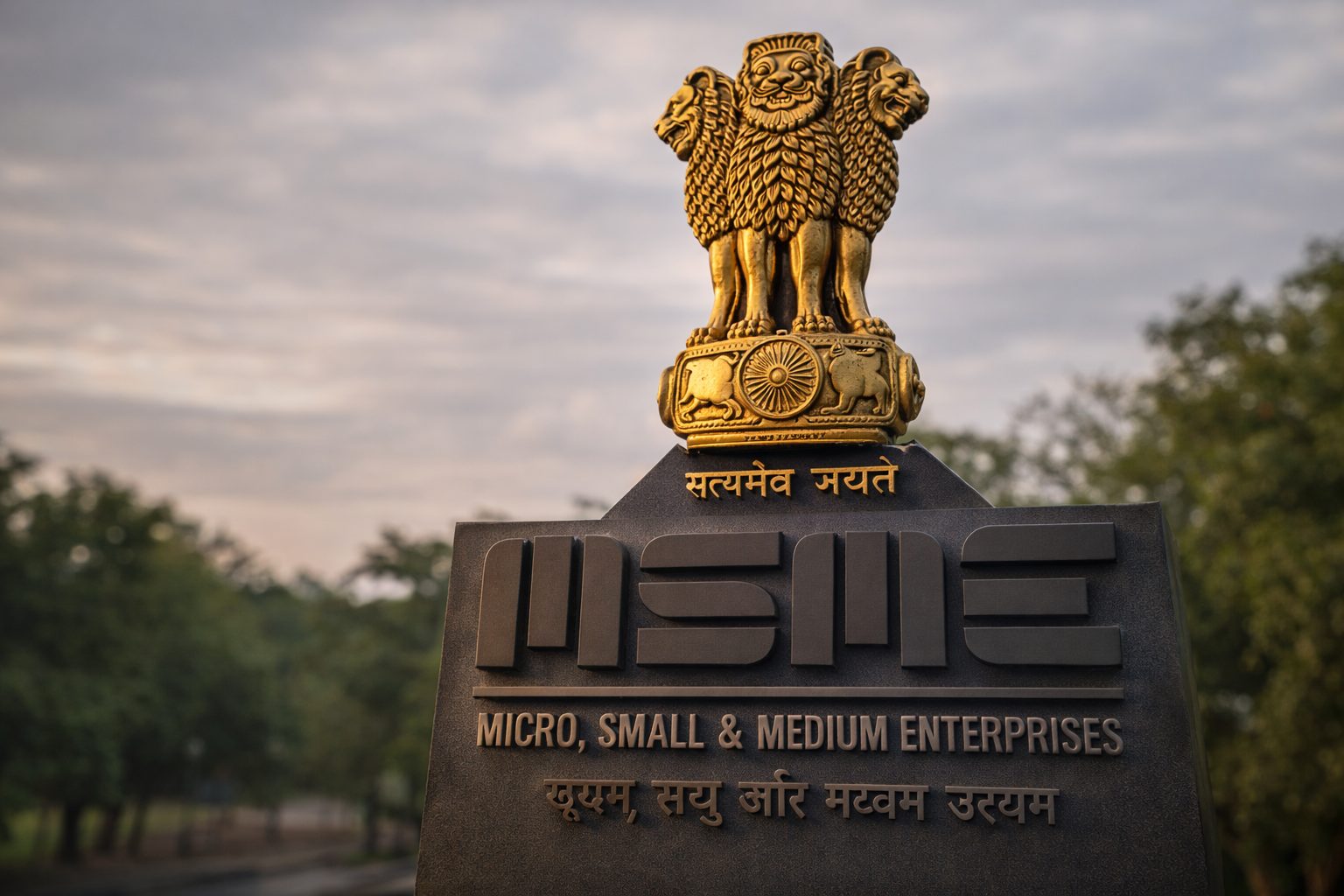
On Sunday, Finance Minister Nirmala Sitharaman unveiled a 10,000 crore rupee growth fund aimed at micro, small and medium enterprises (MSMEs), alongside a plan to revive 200 legacy industrial clusters. She’s counting on easier access to capital and quicker payments to help these small businesses expand. Additionally, she outlined measures to connect government procurement data with invoice-financing platforms and to transform trade receivables into marketable securities.
The budget for the fiscal year beginning April 1 targets manufacturing and technology, as New Delhi aims to maintain steady growth amid global uncertainty. Sitharaman highlighted the government’s push to expand manufacturing in seven key sectors—pharmaceuticals, semiconductors, textiles among them—to boost job creation.
This hits MSMEs hard since small suppliers usually feel the pinch first when buyers delay payments or credit dries up. The goal of cluster upgrades and tightening the trade-finance chain is to unlock working capital, not simply to pump in new loans.
The SME Growth Fund aims to support high-potential companies, while a 2,000 crore rupee boost to the Self-Reliant India Fund targets micro enterprises still lacking risk capital. The government said incentives will depend on factors like productivity, formalisation, and export readiness.
The budget also tackles delayed payments by connecting the Government e-Marketplace (GeM)—the state’s online procurement portal—with the Trade Receivables Discounting System (TReDS), an electronic platform allowing suppliers to discount invoices for early cash. Officials aim to boost liquidity by turning TReDS receivables into asset-backed securities, bundling invoices, and selling them to investors.
Sitharaman declared the government’s “Reform Express is well on its way” and pledged to maintain its pace to meet its “kartavya,” or duty. She highlighted over 350 reforms introduced since Prime Minister Narendra Modi’s 2025 Independence Day address. The finance minister outlined six key focus areas, including “creating champion MSMEs,” boosting infrastructure, and integrating artificial intelligence into governance. The Times of India
In her budget speech, Sitharaman laid out a plan aimed at bolstering the industrial base, combining strategic manufacturing targets with a push to revive aging industrial zones. She highlighted six key focus areas, including infrastructure and city economic regions.
The government also announced plans to allocate a record 12.2 trillion rupees ($133.08 billion) to infrastructure in 2026/27, an increase from the 11.21 trillion rupees set for this year.
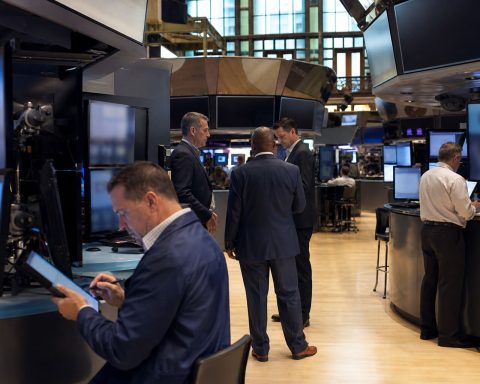
Indian shares eked out small gains during a special Sunday session as the budget rolled out, with the Nifty 50 up 0.37% and the Sensex rising 0.41% by 11:12 a.m. IST. Biocon led pharma stocks higher after the government allocated 100 billion rupees for biopharma over five years. Dixon Technologies also rose, buoyed by budget plans for increased spending on electronic components. The debt and forex markets remained closed.
Investors and executives largely backed the shift toward manufacturing. Divam Sharma, fund manager at Green Portfolio PMS, called the focus on electronics and semiconductors a “structurally positive development.” Yet, chip-industry leaders cautioned that success hinges on the allocation of funds. G.S. Madhusudhan, CEO of InCore Semiconductors, stressed that “using funds for just one or two mega fabs will not work for us.” Reuters
Related articles: Stock Market