
CHICAGO, September 1, 2026, 18:20 EDT —
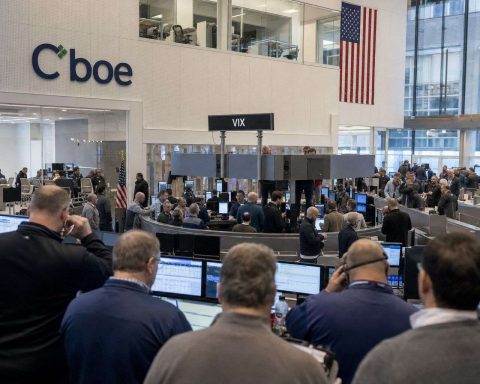
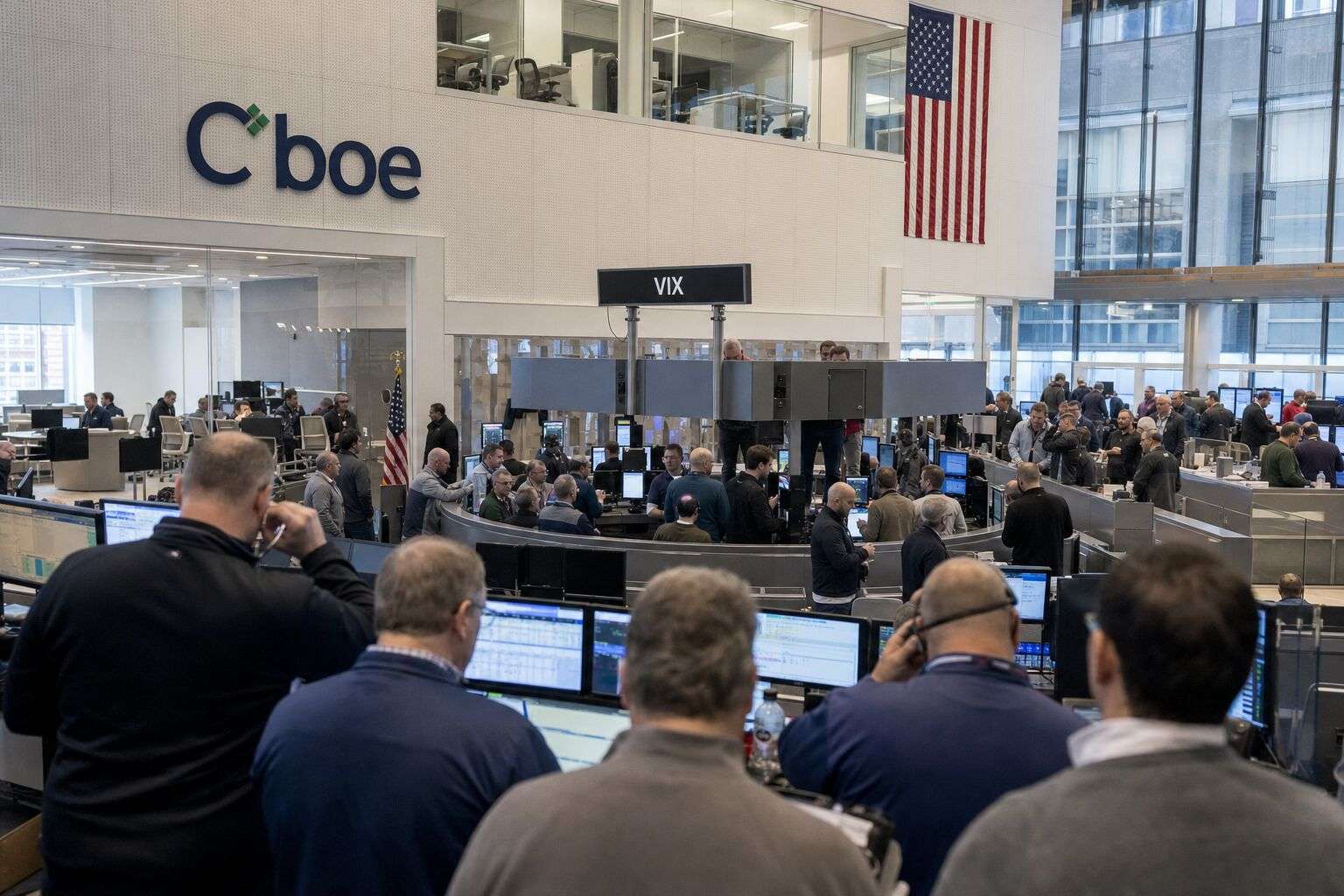
- The Cboe Volatility Index ended the session at 16.34, registering a 9.52% increase from its previous level of 14.92.
- The VIX increased by a percentage 13.4 times greater than the S&P 500’s decline.
- The closing level stayed 13.5% higher than the 52-week low.
- The next scheduled test of market volatility comes with August payrolls, which are set for release on Friday at 08:30 EDT.
The Cboe Volatility Index (INDEXCBOE:VIX) rose 9.52% to 16.34 on Tuesday. Higher oil prices and climbing Treasury yields drove investors to seek short-term equity protection.
The shift was significant compared to the drop in the cash market. VIX climbed 13.4 times more, by percentage, than the S&P 500’s decline. This disparity points to a rapid adjustment in insurance pricing rather than a chaotic selloff in equities.
VIX closes: calm broke on Tuesday
As of
Unit: index points. Sources: Cboe daily history and Cboe current market data.
Cboe describes the index as reflecting short-term volatility indicated by S&P 500 options pricing. It gauges anticipated fluctuations, rather than the market’s direction. Because this index has historically moved inversely to stocks, a quick increase can benefit equity hedgers.
The S&P 500 (INDEXSP:.INX) ended the session at 7,631.47, falling 0.71%. The Nasdaq Composite (INDEXNASDAQ:.IXIC) slipped 1.03%. The Dow Jones Industrial Average (INDEXDJX:.DJI) was down 0.79%.
The hedge moved far more than cash equities
September 1 change; bars share a 10% scale
Index closes as of September 1, 2026; WTI at 17:45 EDT. Sources: Cboe and Google Finance.
West Texas Intermediate (NYMEX:CLW00) was last trading at $90.77 at 17:45 EDT, rising 0.61%. The Cboe 10-year Treasury yield index (INDEXCBOE:TNX) was at 47.96 as of 15:59 EDT, equivalent to a 4.796% yield, an increase of 3.8 basis points.
A fresh wave of U.S. strikes targeting Iran caused oil prices to climb further and escalated the bond market selloff, according to the Associated Press. By midday, Brent crude was up 2.3% at $92.61. The spike in energy prices heightened worries about inflation.
Baird strategist Ross Mayfield told Reuters, “It is the perfect cocktail for a risk-off day in a market that is trading near all-time highs.” Reuters report
Even so, the index finished just 13.5% above its range for the past 52 weeks. Cboe data put the low at 13.38 and the high at 35.30. Tuesday saw a further increase in hedging interest, though prices remained below this year’s peaks.
A sharp daily jump, still near the yearly floor
Position within the trailing 52-week range
As of September 1, 2026, 16:15 EDT. Unit: VIX index points. Source: Cboe.
The adjustment broke a brief lull. According to official daily records, VIX finished Friday at 14.43 and closed Monday at 14.92. Tuesday’s final value was 13.2% higher than Friday’s.
Appetite for volatility expanded to cover volatility hedges. The Cboe VVIX index climbed 5.75%, moving from 86.29 up to 91.25. VVIX measures forecast volatility in VIX options.
U.S. trading will reopen on Wednesday. The upcoming volatility event is expected on Friday at 08:30 EDT, as the BLS publishes its August payrolls report. A fresh shift in yields could impact discount rates for growth stocks and influence option premiums.
Investors trading VIX futures or options deal with pricing linked to each contract. The spot VIX itself cannot be invested in directly, and futures prices may vary as volatility often reverts to the mean. According to Cboe, the term structure plays a key role in affecting hedge performance.
Risks: A reduction in tensions involving Iran, or declines in oil prices and yields, could swiftly reduce implied volatility. Higher inflation readings or softer employment figures might amplify equity moves. Products tied to the VIX could also move out of sync with the spot level.
Related articles: Commodities