
TORONTO, September 1, 2026, 17:24 EDT — GM shares fell 0.8% after the company’s planned C$1.4 billion investment in Canada came under risk from potential tariffs.
- General Motors finished at $85.63, a decrease of 0.80%, at 16:00 EDT.
- Canadian agreements spanning three years involve approximately C$1.4 billion in planned and confirmed investments.
- The program is equivalent to about US$334 million per year, which represents around 3% of GM’s capex midpoint.
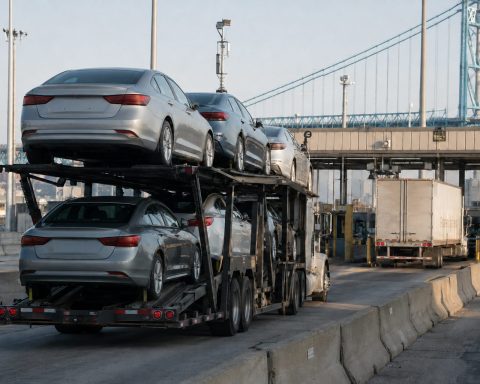
- A 25% tariff on U.S. vehicles poses a risk to the profitability of Canadian truck manufacturing.
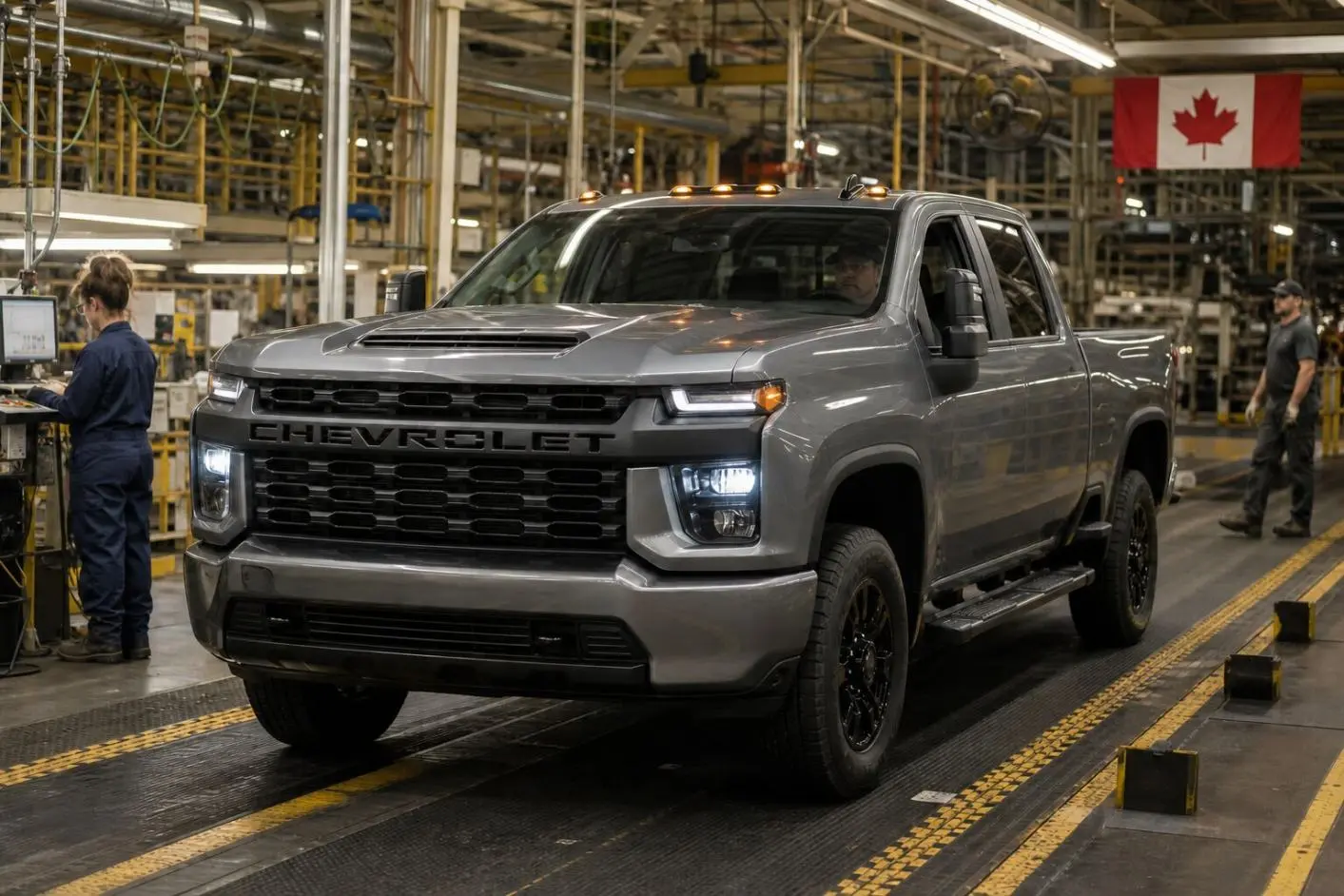
Shares of General Motors Company NYSE:GM declined 0.80% on Tuesday, despite Canadian employees approving a new three-year contract. The deal allocates about C$1.4 billion to truck and powertrain facilities in Ontario.
Group-wide, the expenditure remains modest. On an annualized basis and using the exchange rate from the deal day, it amounts to roughly US$334 million. This represents just 3.0% of GM’s projected midpoint for 2026 capital spending.
The concentration is more important than the overall amount. Strong sales of pickups and sport-utility vehicles enabled GM North America to achieve an 8.6% adjusted margin in the latest quarter. The Canadian agreement safeguards production capacity in that profitable segment.
GM closed at $85.63 after a five-session fade
NYSE closing price, U.S. dollars
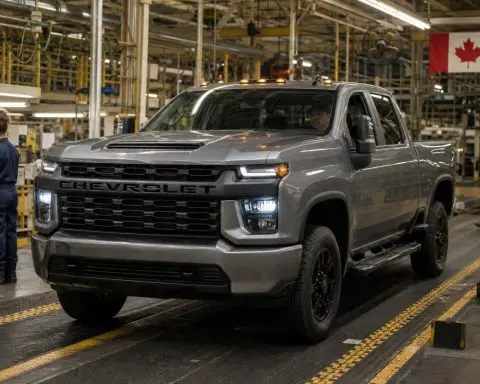
GM announced Oshawa is set to get an additional C$144 million for the production of the next-generation GMC Sierra Heavy-Duty. This comes in addition to the existing C$343 million allocated for trucks and facility improvements. Total intended investment in the Oshawa plant is now nearing C$500 million.
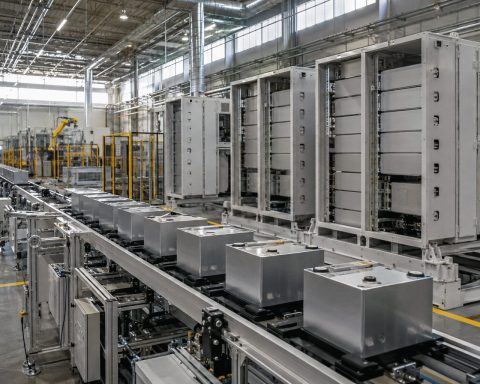
St. Catharines secures C$215 million in funding for next-generation transmission production. Construction is scheduled to start in late 2029. An earlier investment of C$691 million is allocated for sixth-generation V8 engine manufacturing.
C$1.393 billion is concentrated in two Ontario plants
Planned and reaffirmed investment, Canadian dollars
Labour costs are set to increase. Under the contracts, production workers’ hourly pay rises to C$50.20, while skilled trades earn C$62.71 an hour. The deals keep cost-of-living adjustments and include two cash bonuses.
The primary GM Canada contract received 80.5% approval from workers. The agreement at CAMI Assembly was endorsed by 96.5% of members. Combined, the contracts cover over 4,600 staff at four sites in Ontario.
Strong demand allows management to offset these expenses. GM delivered 714,896 vehicles in the U.S. during the second quarter. Overall sales declined 4%, yet the GMC Sierra achieved its highest second-quarter sales on record.
The Canadian program is small beside GM’s annual cash plan
Midpoints and estimate, US$ billions
Method: C$1.393 billion divided by three years, then converted at C$1.3898 per US$1.
Sources: GM Q2 2026 results; Reuters exchange rate. Estimate by TS2.
Revenue for the second quarter increased 1.9% to $48.03 billion. Adjusted EBIT rose 29.8% to $3.94 billion. Adjusted automotive free cash flow surged 78% to $5.03 billion.
GM projects capital spending between $10 billion and $12 billion for 2026. The automaker expects adjusted automotive free cash flow in the range of $9.5 billion to $11.5 billion. As a result, the Ontario initiative appears manageable prior to factoring in tariff impacts.
Trade policy continues to be the decisive element. Canadian-made vehicles are currently subject to a 25% U.S. tariff, with Washington warning that this could rise to 50% starting January 1, 2027. According to Barclays, roughly 17% of Chevrolet Silverado production is based in Canada.
GM Canada President Jack Uppal stated that the deals provide “meaningful improvements to wages, benefits and job security.” The automaker also prolonged layoff benefits at the idle CAMI Assembly plant as it evaluates future work options.
Risks: Increased tariffs could eliminate the cost advantage for cross-border trucks. Rising wages may further reduce profit margins. Weaker pickup demand could lower the returns on expanded capacity.
Related articles: NYSE:GM