
São Paulo, June 12, 2026, 16:11 (BRT)
- Itaú’s ADR on the NYSE ended at $8.01, up $0.10. On B3, the preferred share moved up 0.40% to R$40.66.
- Banco’s most recent market announcement was its R$3 billion perpetual subordinated financial-bills issue, meant to bolster regulatory capital.
- Traders are watching Brazil’s June 16–17 central-bank rate decision after May inflation topped forecasts.
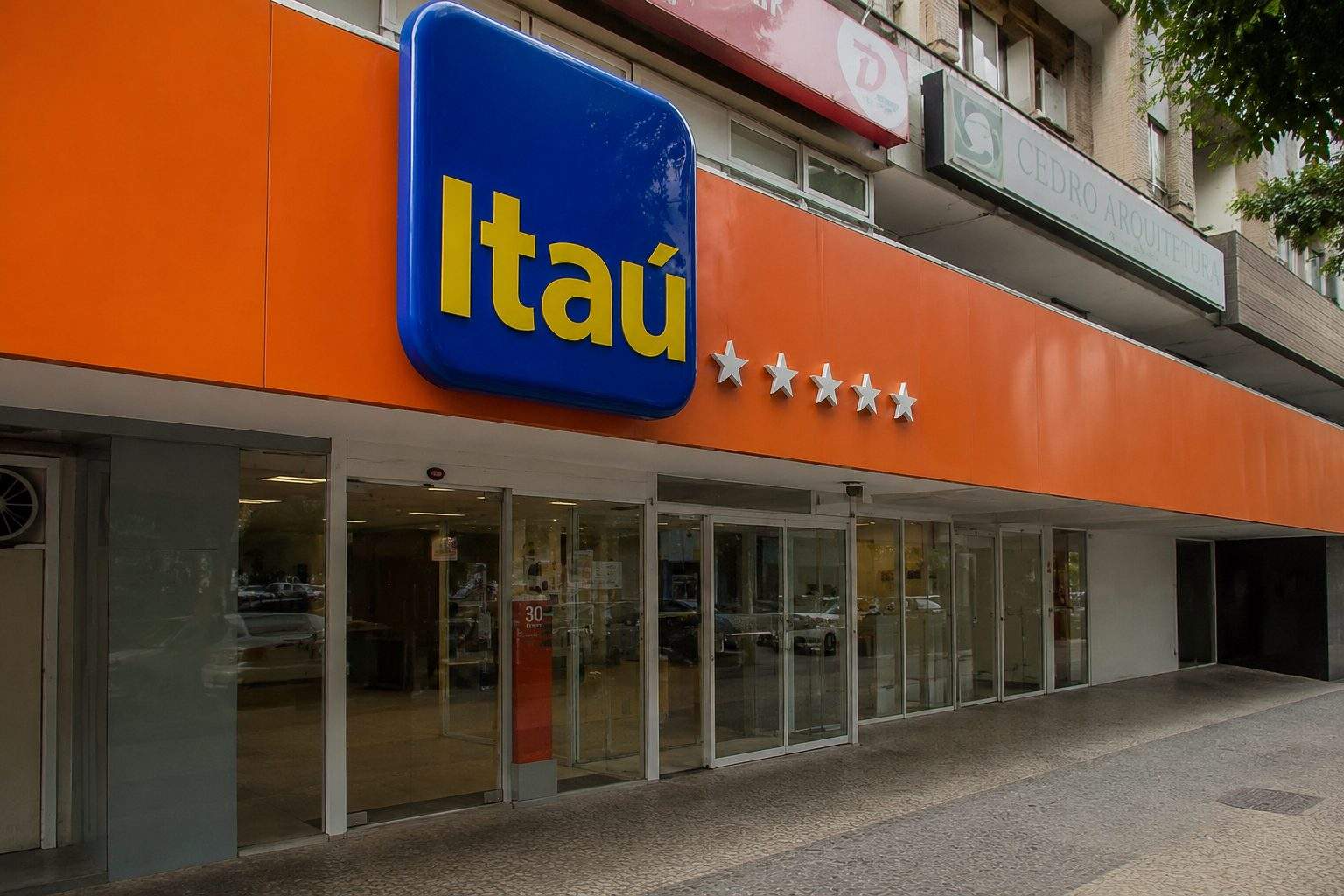
Itaú Unibanco Holding S.A. shares climbed Friday while the broader Brazilian market dipped. U.S.-traded NYSE ADRs for Itaú moved up $0.10 to $8.01. In São Paulo, Itaú preferred stock added 0.40% at R$40.66. The Ibovespa index slipped 0.13% to 171,273 points, with Itaú moving counter to weaker action in the main index.
Itaú’s stock story right now is about balancing capital and macro risk. The bank said this week it raised R$3 billion with perpetual subordinated financial bills sold to professional investors. These have no fixed maturity and can be called starting in 2031, but only with central bank approval. They count as Additional Tier 1 capital, giving the bank another loss buffer. Itaú said the deal should boost its Tier 1 capital ratio by 19 basis points, with each basis point at 0.01 percentage point.
The stock’s in focus because better capital flexibility helps Itaú with lending, dividends and buybacks, and can steady investor nerves if credit losses go up. Itaú had a solid first quarter: recurring managerial result hit R$12.3 billion, up 10.4% year-on-year. Recurring managerial return on equity was 24.8%. ROE shows profit per unit of shareholder capital, and high ROE is why many Brazilian bank investors stick with Itaú, even when macro conditions swing.
Credit quality is the main thing for investors here. Itaú’s credit portfolio in March hit R$1.483 trillion, up 7.2% from a year ago. Loans over 90 days past due, or non-performing loans, came in at 1.9%, holding flat from December. Bulls point to steady loan growth and stable late-stage delinquencies. The bank left its 2026 targets unchanged, still seeing credit portfolio growth between 5.5% and 9.5%, and cost of credit at R$38.5 billion to R$43.5 billion.
Brazil’s interest-rate outlook is the main short-term driver. Reuters said Friday that annual inflation in Brazil picked up to 4.72% in May, higher than the 4.66% economists expected and above the top of the central bank’s target range. That comes ahead of the June 16–17 policy meeting. The Selic was cut to 14.50% in April. Now, with inflation running hotter, the next rate move is less clear. “Inflation remains under pressure,” Rafael Rondinelli at MAG Investimentos told Reuters, adding that high rates can help bank lending margins but also hit credit demand and boost defaults. Reuters
Itaú’s board cleared a R$3.99 billion Interest on Capital distribution, putting another payout date on the books for income investors. The amount comes to R$0.36188 gross per ITUB3 or ITUB4 share, or R$0.298551 net for most shareholders after a 17.5% tax. Anyone holding shares at the close on June 18 can claim the payment. The shares go ex-rights June 19, so buyers after that don’t get this Interest on Capital.
Itaú is still seen as one of the steadier big banks in Brazil. It has strong profit, NPLs steady at 90 days, new AT1 capital, and ongoing shareholder payouts. Analyst calls stay positive. Investing.com shows a Buy consensus from eight analysts, with an average 12-month ITUB target of $8.825, six Buys, two Holds, and no Sells. MarketScreener has 13 Buy ratings and an average target at R$48.38, last close was R$40.50.
Bearish voices say a lot of the upside is already in the stock after it rallied over the past year. The coming central bank decision could force the market to rethink loan growth, funding costs, and where credit losses go from here. Analyst targets show room to fall—Investing.com has a low on ITUB at $6.10, and MarketScreener points to a low of R$30.50. Based on verified data, Itaú seems fairly valued to moderately attractive if investors can stomach Brazil’s rate, currency, and credit-cycle risk. It’s not a low-risk setup before next week’s policy meeting.
Related articles: Inflation