
NEW YORK, May 1, 2026, 18:04 (EDT)
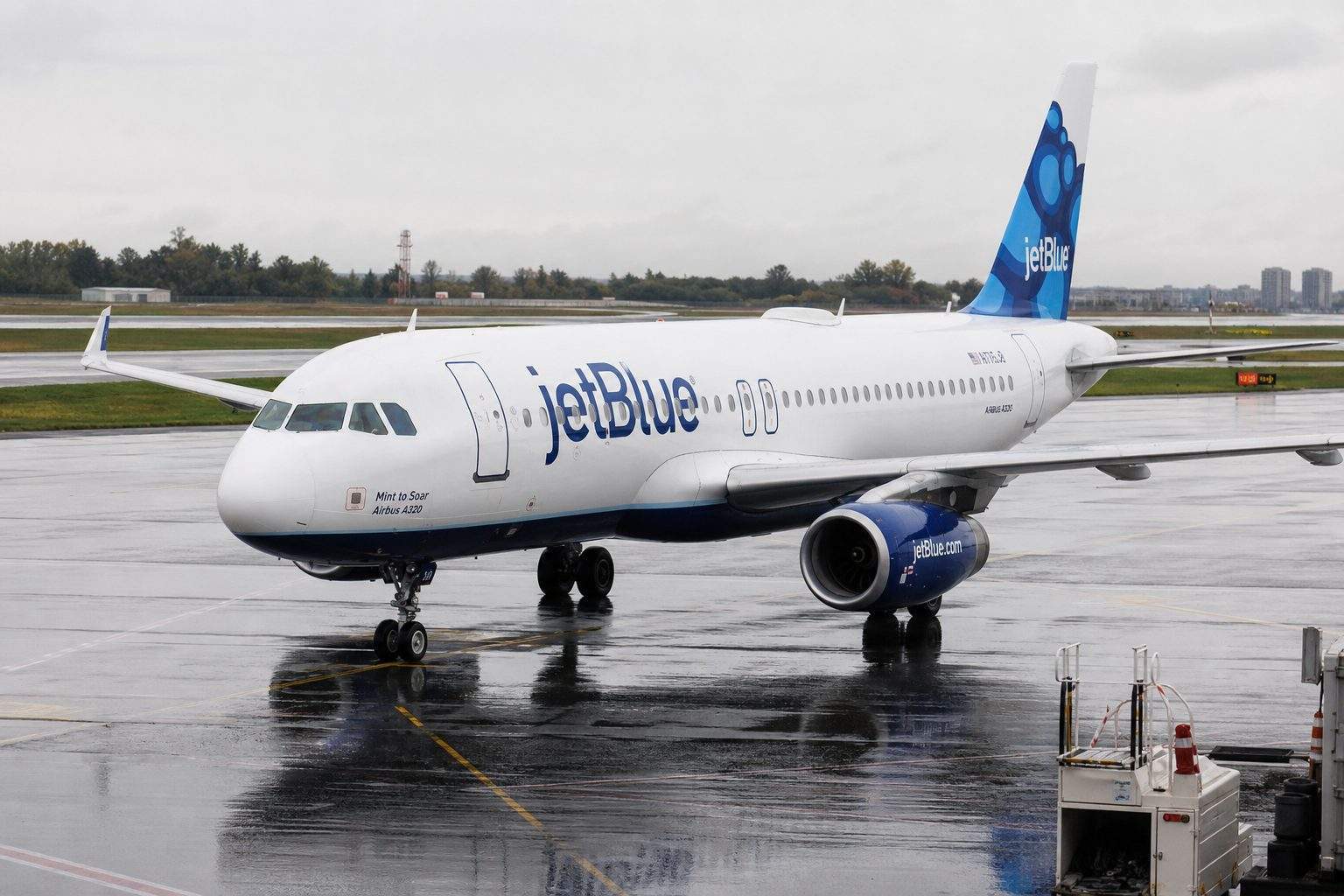
JetBlue Airways Corporation shares climbed Friday. Investors considered the potential for a Spirit Airlines shutdown to relieve some of the strain in leisure markets. Still, JetBlue continues to grapple with elevated fuel costs and a deeper quarterly loss.
JetBlue shares climbed roughly 4.4% to $4.86, hitting an intraday peak of $5.28 before pulling back. Trading was brisk, with airline stocks moving as investors weighed the likelihood of some capacity leaving the market.
The question is suddenly urgent: Spirit, a major discount player on Florida and vacation routes, is getting ready to wind down operations after rescue negotiations hit a wall, according to Reuters on Friday. Shares of Frontier jumped 10% and JetBlue picked up 4% as investors appeared to factor in a possible reshuffle in the budget airline landscape.
JetBlue isn’t exactly offering investors a classic comeback narrative. Only three days back, the carrier logged a net loss of $319 million for the first quarter—deeper than last year’s $208 million loss. Operating revenue did edge up 4.7% to $2.24 billion. Fuel costs, though, jumped 12.1% to $573 million.
JetBlue is shoring up its balance sheet. The company locked in $500 million in committed aircraft-backed financing, and could tack on another $250 million if needed. Liquidity came in at $2.4 billion at quarter’s end. On the operations side, JetBlue now expects to fly nearly one point less capacity in the second quarter compared to recent plans, and it’s pulling back even harder for the back half—targeting a two to three point reduction from earlier projections.
JetBlue is focusing on the levers it can pull—capacity, revenue, and costs—as fuel price swings grow sharper, Chief Executive Joanna Geraghty said. “Continued strength across the booking curve,” was how President Marty St. George put it. Chief Financial Officer Ursula Hurley added, “the operating environment remains volatile.” JetBlue Investor Relations
JetBlue is doubling down on pricing, but costs are still outpacing gains. Revenue per available seat mile (RASM) climbed 6.5% in the first quarter. Cost per available seat mile (CASM), though, jumped 8.3%. Fares may be firmer, but they’re not enough to offset rising expenses just yet.
The company is bracing for second-quarter fuel costs to jump to somewhere between $4.13 and $4.28 a gallon, a sharp rise from the $2.96 it paid on average in the first quarter. Management figures they can claw back 30% to 40% of that extra fuel hit during Q2, aiming to offset the full increase by early 2027. Most of that catch-up should come via fare hikes, trimming capacity, and other cost-saving moves.
JetBlue is set to pull back on hiring, trim flights, and hike ticket prices following a spike in fuel costs that deepened its recent quarterly loss, Reuters reported earlier this week. TD Cowen’s Tom Fitzgerald called the “demand outlook…encouraging,” though he flagged that talk of a bailout for ultra-low-cost carriers could put pressure on the stock. Reuters
One thing stands out as a risk: If Spirit ends up surviving instead of liquidating, JetBlue could be staring at stiffer price competition right when it wants to push higher fuel bills onto flyers. The company’s own filing spells out the impact—just a 10% bump in fuel prices over the coming year would tack on roughly $315 million to fuel costs. As of March 31, JetBlue reported zero open fuel hedges.
Wall Street’s nerves are still showing. Susquehanna bumped its JetBlue price target up to $5 from $4, sticking with a neutral call. MarketBeat, meanwhile, listed a consensus “Reduce” rating and pegged the average target at $4.88. MarketBeat
JetBlue is still in the hot seat, even as Spirit’s troubles cast it in a more favorable light. What matters next: fare hikes have to hold, or else rising fuel, debt, and soft off-peak bookings could erase any headway.
Related articles: NASDAQ:JBLU