
NEW YORK, June 23, 2026, 19:01 (EDT)
Joby Aviation fell 3.14% to close at $9.55 on Tuesday, then edged to $9.5603 in after-hours trading at 6:59 p.m. EDT, according to FactSet data carried by WSJ. Volume was 38.08 million shares, above its 65-day average of 29.24 million.
The cleaner read is in the tape, not in a new company release. Tuesday’s volume was equal to about 43% of the 88.95 million Joby shares sold short as of May 29. Short interest means shares borrowed and sold by traders betting the stock will fall. MarketWatch lists short interest at 14.13% of Joby’s public float, a high enough figure to make sharp moves more likely when volume picks up.
That matters for investors because Joby is trading less like a plain transport stock and more like a funding-and-certification bet. Its shares are still 23% above their 52-week low of $7.75, but 54% below their 52-week high of $20.95. The gap leaves room for both a squeeze higher on good FAA news and another reset if cash burn or timing gets questioned.
There was no fresh Joby press release listed in the company’s newsroom in the last 24 to 48 hours. The latest item shown was dated May 15, while its latest full financial update was May 5, when Joby reported first-quarter results.
The drop came on a weak day for risk stocks. The S&P 500 lost 1.44% and the Nasdaq fell 2.21% as semiconductor shares sold off and traders weighed higher-rate risk. “Some of the news lately about AI raises questions,” Thomas Martin, senior portfolio manager at Globalt, told Reuters about the market’s concern over spending. Reuters
Joby also lagged the broader small-cap tape. The Russell 2000 fell 1% on Tuesday, while Joby fell more than three times as much. That is the trade-off in the air-taxi names: they can draw large retail and growth-fund interest, but the stocks still swing hard when investors cut exposure to speculative growth.
Peers moved the same way. Archer Aviation was recently quoted down about 3.5%, while Vertical Aerospace was down about 3.1%. Joby’s rough dollar turnover, using its closing price and day volume, was about $364 million; Archer’s was about $202 million on the latest available quote and volume. The liquidity gap is part of why Joby often becomes the first name traders use when they want eVTOL exposure.
The stock’s main defense is cash. Joby ended March with $874.5 million in cash and cash equivalents and $1.59 billion in short-term investments, for total cash, equivalents and short-term investments of $2.47 billion, its investor filing shows.
Chief Executive JoeBen Bevirt told investors in May that Joby had “the clearest path we’ve ever had to beginning passenger operations.” He cited New York demonstration flights, the company’s U.S. air-taxi pilot-program role and a strong balance sheet. Joby Aviation
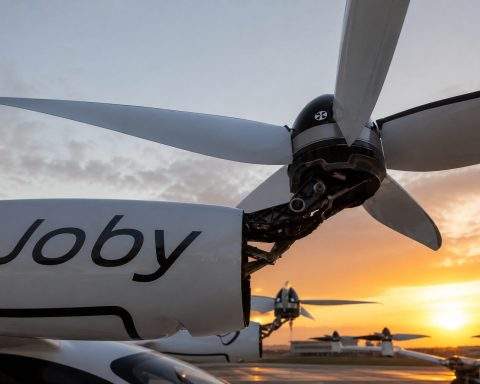
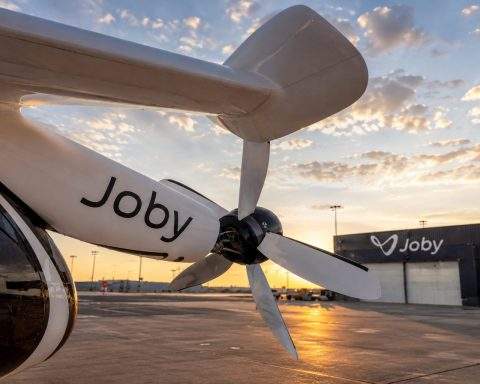
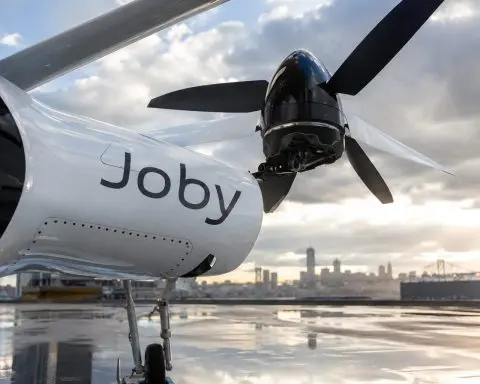
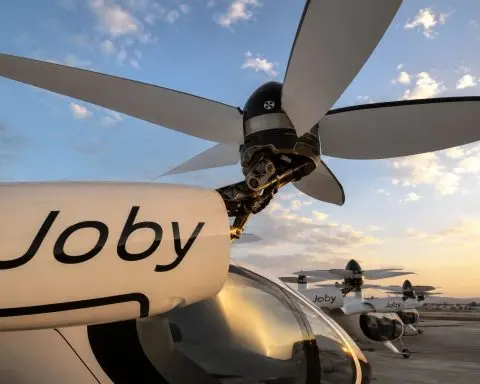
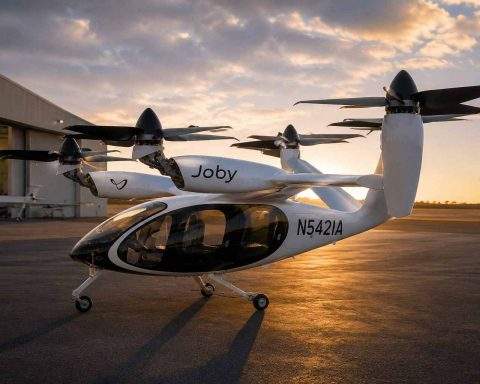
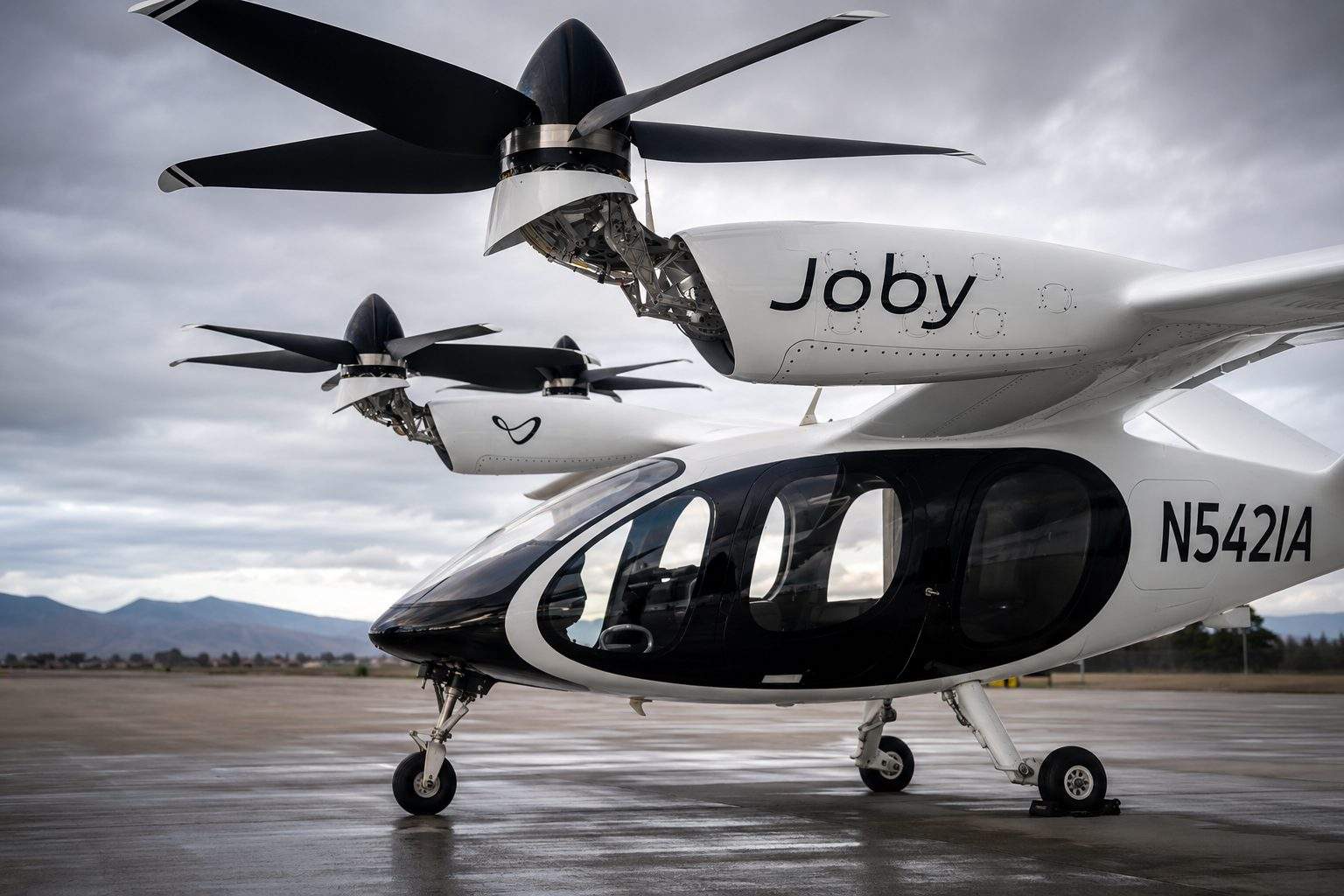
The certification story is still the center of the stock. Reuters reported in March that Joby had started flying its first production model aircraft for Type Inspection Authorization, or TIA, the step that prepares an aircraft for formal FAA certification tests. Joby has said the aircraft can take off and land vertically, fly like an airplane, and carry a pilot and four passengers.
Analysts are split. WSJ data shows a current consensus rating of Hold, with three Buy ratings, five Hold ratings and three Sell ratings. The median price target is $11.50, above Tuesday’s close, but the range runs from $6 to $18.
Cantor Fitzgerald analyst Andres Sheppard expected spending to rise in the second half as production begins to build, Barron’s reported last month. He wrote that Joby was “targeting … four aircraft per month” after adding manufacturing capacity in Dayton, Ohio. Barron’s
But the downside case is still simple: certification timing can slip, early U.S. operations under the federal eVTOL Integration Pilot Program still depend on final agreements, and a faster factory ramp can burn cash before revenue shows up. Joby itself has warned that launch timing, production volumes, partner approvals, regulation and future capital needs could differ from its plans.
Related articles: NYSE:JOBY