
TOKYO, May 12, 2026, 21:57 (JST)
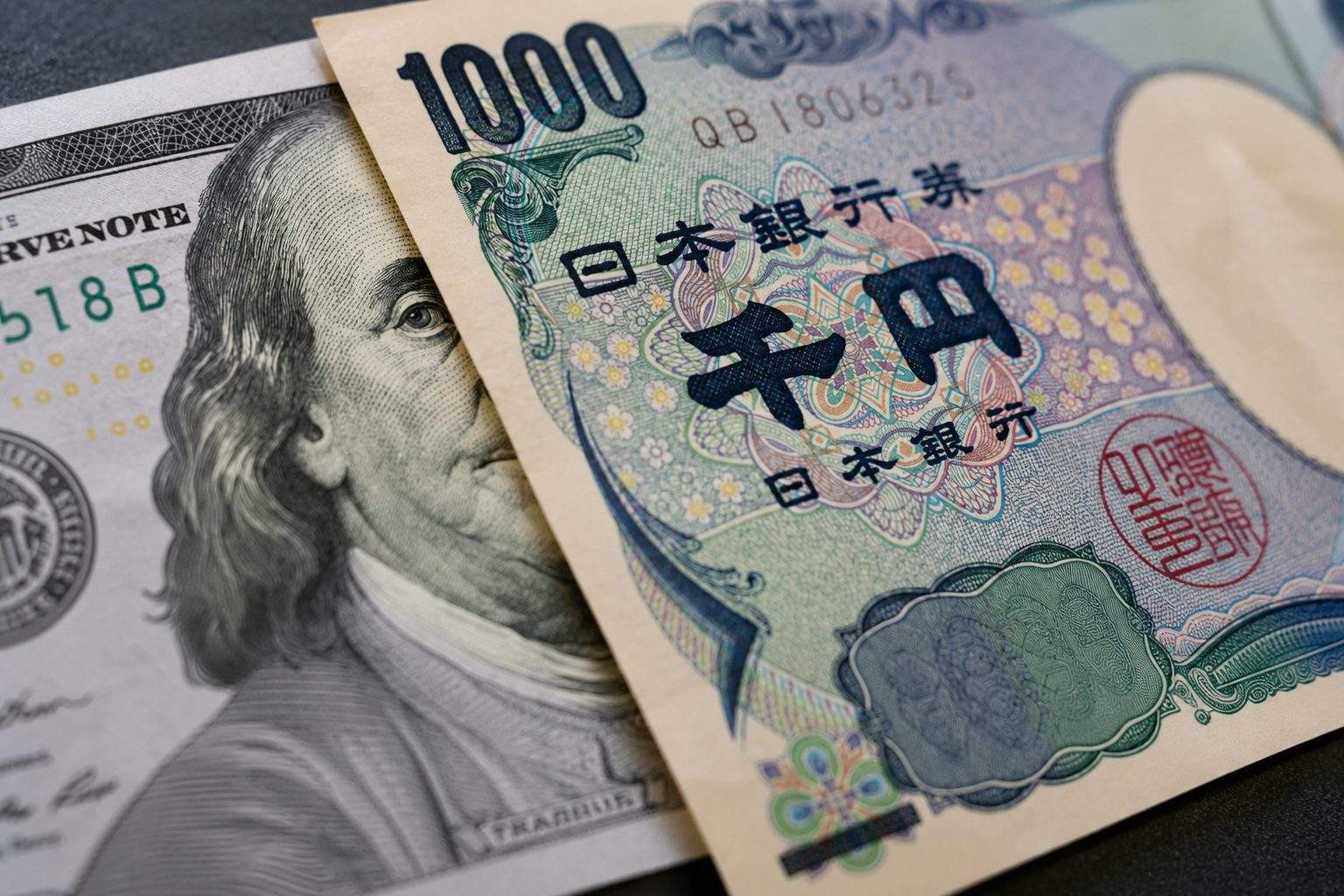
USD/JPY bounced back toward 158 on Tuesday after tumbling to 156.75, a sharp drop that reignited Bank of Japan chatter. By 12:45 GMT, the pair was parked near 157.55. ForexFactory clocked the move at close to 100 pips—about one yen for this currency pair—before it drifted around 157.06.
The jolt is significant: Tokyo’s latest push to shore up the yen runs right into U.S. numbers that keep the dollar buoyant. U.S. consumer prices climbed 0.6% in April and 3.8% over the past year, with markets now assuming the Fed will stick to its 3.50%-3.75% rate band through 2027.
The BOJ’s in a tough spot on timing. In its summary of opinions published Tuesday, policymakers pointed out that rising crude prices are hitting Japan’s terms of trade—import costs are climbing faster than export earnings—and flagged the risk of slower growth in fiscal 2026. Still, several members said rate hikes might be necessary soon to keep inflation in check.
U.S. Treasury Secretary Scott Bessent said both Washington and Tokyo agree “excess volatility is undesirable.” Japanese Finance Minister Satsuki Katayama also said the two sides confirmed they’ll “continue coordinating closely on market moves”. The yen, though, barely held its pop. According to Reuters, the dollar climbed to roughly 157.72 after Bessent spoke. Then, after what traders suspected was a rate check—a standard price query sometimes seen before intervention or outright yen buying—it slipped to about 156.75. Japan’s finance ministry wouldn’t comment. Reuters
Chart watchers are eyeing the market to see if the official intervention has actually altered the picture. According to InvestingLive, USD/JPY was hovering near the 158.00 mark—right at a resistance zone where sellers could step in, with minor support showing up at 156.50. Economies.com pointed out the pair had moved above its 50-period simple moving average, often viewed as a short-term trend signal.
Pressure wasn’t just coming from inside the market. The dollar index moved up 0.36% to 98.30, while the euro slipped 0.33% to $1.1744. Oil prices pushed higher, with fading hopes for an Iran deal fueling the gains. Thierry Wizman at Macquarie Group pointed out that as long as crude remains elevated, the dollar should keep its strength. Over at BNY, John Velis said there’s dwindling support for the idea of Fed rate cuts this year: “looks increasingly difficult to sustain.” Reuters
How much longer Japan can keep pushing back on the market remains up in the air. Last week Reuters, citing sources and money-market numbers, flagged roughly $35 billion in yen-buying during one round, with another $32 billion committed in subsequent interventions. Former BOJ official Atsushi Takeuchi told Reuters he’d anticipate more action if the yen drops past the closely watched 160 per dollar mark.
The trade’s not all going one direction. After the last sharp jump in the yen, Yuji Saito, executive adviser at SBI FX Trade in Tokyo, called it “obviously an intervention.” Still, Chris Turner, ING’s global head of markets, isn’t convinced Tokyo can engineer a lasting USD/JPY pullback as long as energy prices stay elevated and Japan’s inflation-adjusted rates remain deep in the red. Turner points to one possible game-changer: U.S. Treasury involvement. Absent that, he says, the market likely views intervention as just a temporary obstacle, not a real shift. Reuters
Related articles: Real Estate