
Chicago, May 7, 2026, 07:04 CDT
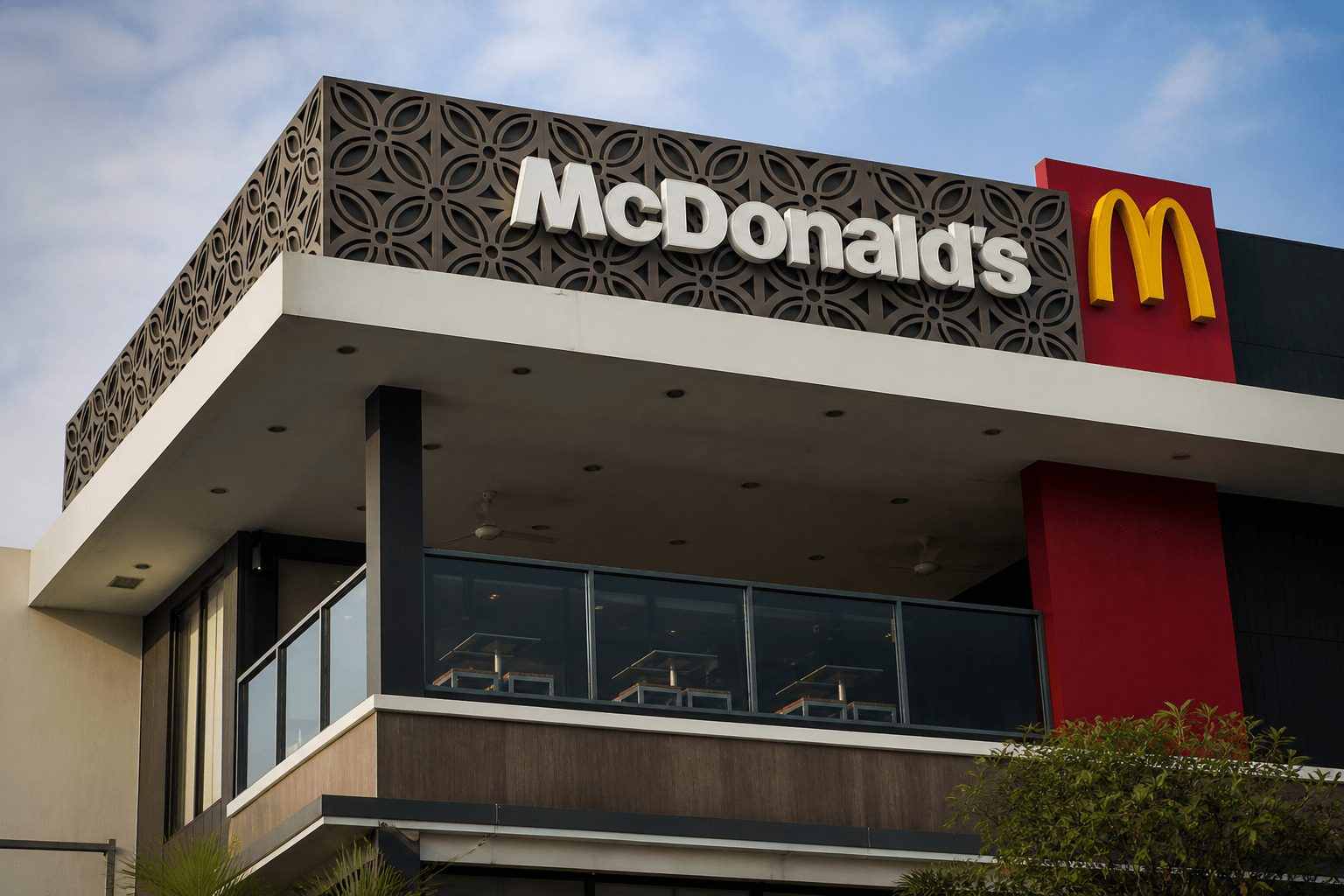
McDonald’s topped forecasts for revenue and adjusted profit in the first quarter, crediting value deals and new menu items. Still, U.S. same-store sales growth landed below analyst expectations, and global comps narrowly missed a few estimates.
So this quarter is shaping up as a direct test of the fast food value battle. After hiking menu prices for years, chains are now rolling out lower-cost meal deals. Customers, pressured by higher fuel and grocery costs, are thinking twice before spending on takeout or picking from the menu.
McDonald’s faces a more immediate test: can low-cost meals keep customers coming, even as new menu options and loyalty deals push up the average order? Axios noted that first-quarter gains got a boost from value meals, digital rewards, and menu updates.
Global comparable sales climbed 3.8% for the quarter ending March 31. In the U.S., comps were up 3.9%. International Operated Markets also posted a 3.9% gain, while International Developmental Licensed Markets edged higher by 3.4%, according to the company.
Revenue climbed 9% to $6.517 billion, with net income up 6% at $1.983 billion. Diluted EPS landed at $2.78. Stripping out $0.05 per share in charges, adjusted EPS came in at $2.83. LSEG consensus, according to Reuters, had pointed to $6.47 billion in revenue and $2.74 in adjusted EPS.
Systemwide sales, which encompass both company-operated and franchised locations, climbed 11%—or 6% once currency swings are stripped out—reaching above $34 billion. Loyalty-member sales across 70 markets crossed $9 billion for the quarter, pushing the trailing 12-month total past $38 billion.
McDonald’s boss Chris Kempczinski credited “value leadership, breakthrough marketing, and menu innovation” for the company’s performance, saying it executed “with discipline” despite a “challenging environment.” Investing.com
McDonald’s credited the U.S. boost to bigger average checks, with diners shelling out more per order. But foot traffic was choppy. Placer.ai figures cited by Reuters had visits sliding in January, bouncing back in February, then tapering off come March.
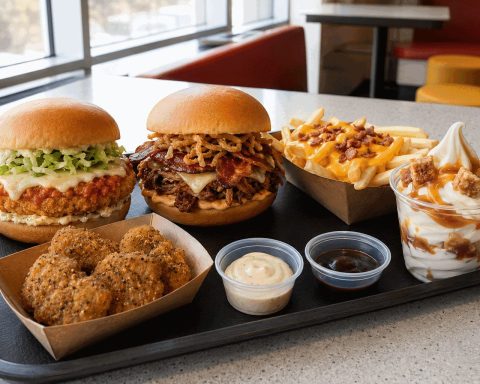
Menu changes gave McDonald’s a lift. The short-run Big Arch burger grabbed headlines and bumped up U.S. spending per visit, according to AP. Axios pointed out that McDonald’s is focusing on new refreshers, custom sodas and pop-culture tie-ins to hold customer interest.
The catch: value might just end up as the cost of playing, not a real driver for growth. Choppy traffic means discounts can help hold onto share, but they might not be enough to draw back enough diners—especially with fuel and grocery bills still pinching, and lower-income customers staying wary.
Competitive pressure is showing up in the numbers. Restaurant Brands, which owns Burger King, reported U.S. same-store sales at Burger King climbed 5.8% in the first quarter—well ahead of the anticipated 3%. The bump came as $4.99, $5, and $7 deals pulled in customers. RBC Capital Markets analyst Logan Reich called Burger King “the bright spot on the quarter.” Reuters
UBS’s Dennis Geiger flagged before the results that rising gas prices and softer consumer sentiment probably weighed on McDonald’s momentum toward the end of the quarter. Still, he described the brand as “well positioned globally.” TipRanks
That next hurdle lands just past the quarter in question. In April, McDonald’s broadened its McValue lineup, bringing in new, lower-priced tiers and offering 10 menu items for $3 or less at select U.S. locations. Now, investors are eyeing the second quarter, waiting to see if those changes actually drive more customers through the door, not just higher ticket sizes.
McDonald’s has its investor call lined up for 7:30 a.m. Central, ahead of the regular U.S. session. Management is expected to field questions on traffic patterns, how the value menu is hitting the bottom line, and signals from early Q2 demand.
Related articles: NYSE:MCD


![Australia Stock Market Today 28/08/2026 [UPDATE: 11:35 AEST] [Xero Surges 8% as PEXA Crashes on FY27 Outlook]](https://ts2.tech/wp-content/uploads/2026/08/AU-market-dashboard-2026-08-28-1133-480x384.jpg "Australia Stock Market Today 28/08/2026 [UPDATE: 11:35 AEST] [Xero Surges 8% as PEXA Crashes on FY27 Outlook]")