
BRUSSELS, April 15, 2026, 22:04 CEST
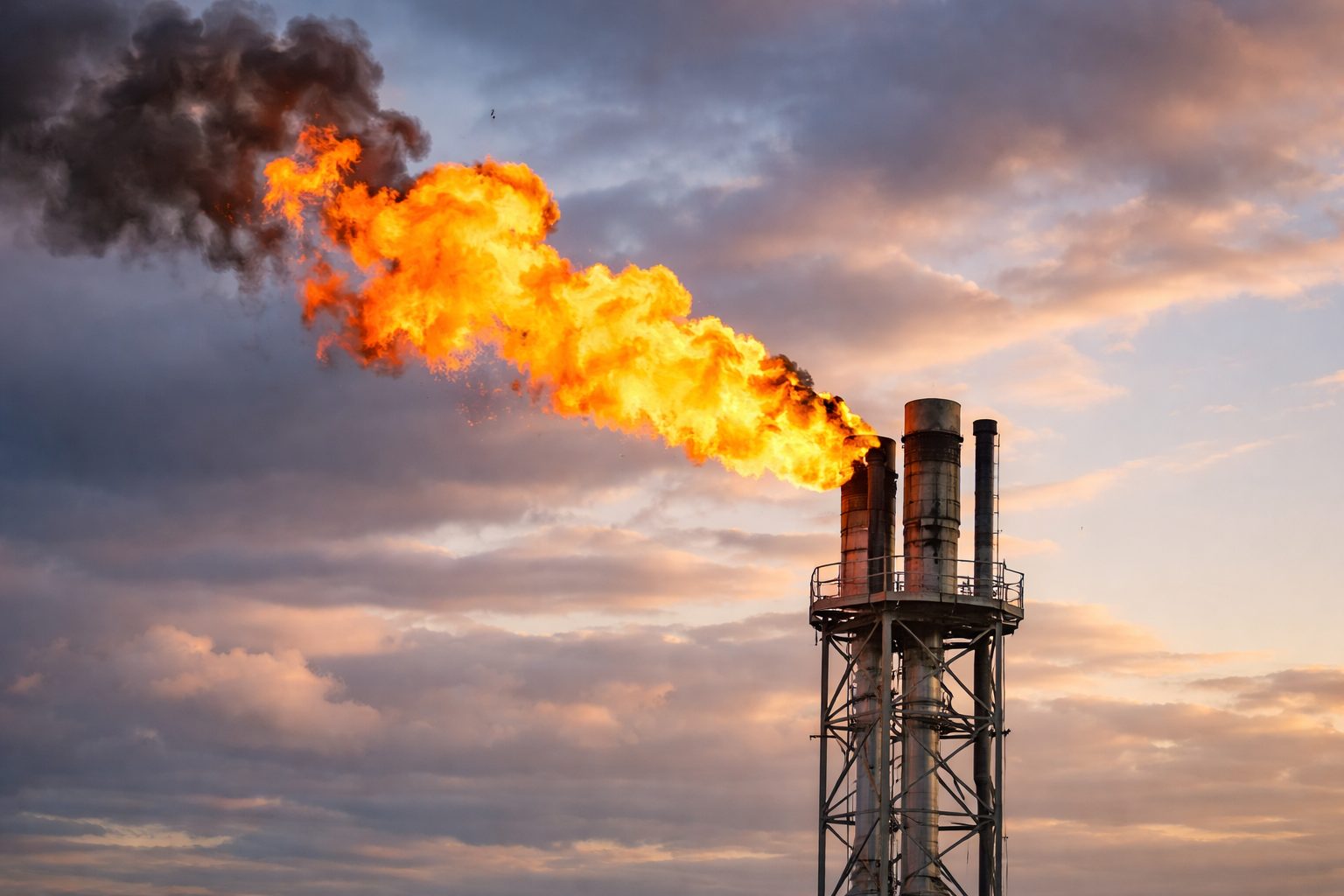
European natural gas prices slipped on Wednesday, giving back more of this week’s earlier gains as traders digested Brussels’ warning that a prolonged Gulf supply disruption could still trigger new price surges. The benchmark Dutch TTF front-month contract last changed hands near 41.4 euros per megawatt hour, off 4.5% from Tuesday’s settlement and a sharp retreat from Monday’s peak of 51.3 euros.
This comes as Europe moves into the crucial summer period for refilling gas stocks ahead of next winter. Most of the bloc’s supply comes from Norway and the U.S.—not the Gulf—but Brussels isn’t feeling comfortable. Officials last month warned governments to kick off injections earlier than usual, after storage levels dropped to around 28% capacity. The EU still faces risk from global price swings.
All eyes are on TTF, the Dutch trading hub anchoring Europe’s main gas contract. On Wednesday, the Commission warned that a prolonged Iran conflict—especially if the Strait of Hormuz stays blocked—could hammer Europe’s storage builds and send prices surging. That strait typically sees about 20% of global oil and LNG traffic flow through. “Extreme price spikes” are on the table, the statement said. Reuters
Some of the war premium came off after U.S. President Donald Trump indicated the war on Iran might end soon. A Tehran source added Iran could allow shipping to use the Omani side of Hormuz if an agreement emerges. Still, tanker volumes through the strait are well below usual levels, which is preventing prices from falling further.
The price shock has already sparked a policy fight. After the war broke out on Feb. 28, European gas prices shot up—nearly doubling in just three weeks. As of Tuesday, they were still trading roughly 35% above where they stood before the conflict, according to a Commission draft reviewed by Reuters. Valdis Dombrovskis, the EU’s economy commissioner, insisted that any aid must include “clear sunset clauses” and avoid pushing up demand for oil and gas. Reuters
Companies haven’t wasted time. Italy’s Edison snapped up seven U.S. LNG cargoes after QatarEnergy called off 10 deliveries scheduled from April through mid-June. Chief Executive Nicola Monti described the market as “tight” but noted there were still “flexibility options” allowing supplies to keep coming in. Reuters
LNG—short for liquefied natural gas—is gas chilled until it turns to liquid, making it possible to move by ship. Edison flagged that Qatar might push its force majeure—which is the contract clause allowing shipment suspensions due to uncontrollable events—past mid-June. Still, Monti maintained his view that the market should regain structural balance within the next 18 months.
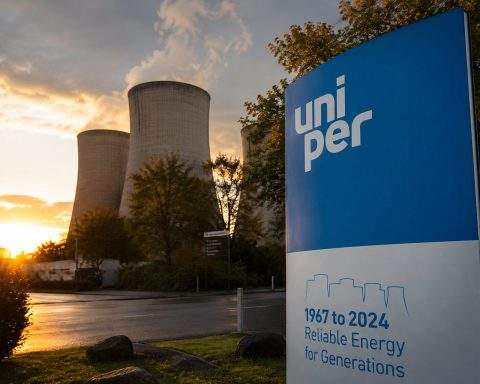
Germany’s Uniper is one of several European buyers considering Canadian LNG shipments routed through the Panama Canal, despite the extra expense and longer journey, as they look for more varied sources. Earlier this week, Eni CEO Claudio Descalzi argued the EU should rethink its Russian LNG phase-out: swapping out 20 billion cubic metres has become anything but simple.
It’s not only Europe feeling the pressure. Pakistan is seeing spot LNG jump as high as $20 to $30 per mmBtu — that’s the going rate for one million British thermal units, the industry benchmark. Petroleum Minister Ali Pervaiz Malik noted Islamabad prefers to pivot toward government-to-government contracts instead of swallowing the hefty spot premiums.
Still, there’s no guarantee natural gas prices will stay low. The EU has warned that if this crisis drags on, demand destruction could hit — that is, when both households and factories slash fuel consumption as prices spike — and the shock could spread across industrial supply chains. At this point, traders in Europe have unwound part of the panic-driven surge, but not the added war premium.