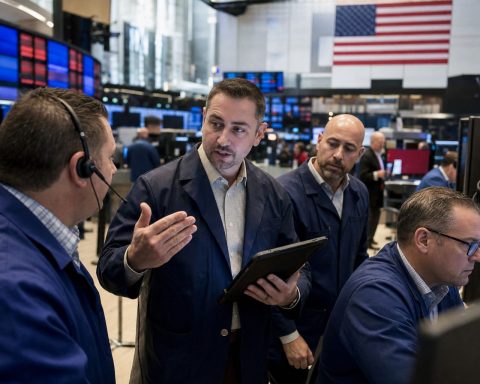

New York — Friday, December 26, 2025 (10:00 a.m. ET). U.S. stocks are open and trading in what’s typically a thin, post‑Christmas market, and NIKE, Inc. NYSE:NKE is once again in the spotlight. As of mid‑morning, Nike shares are around $60.73, up about 1.2% on the day, after an attention‑grabbing insider purchase by Apple CEO Tim Cook helped put a floor under the stock earlier this week.
The broader tape is relatively calm: Wall Street opened nearly flat Friday, with investors still leaning into the “soft landing + future rate cuts” narrative heading into 2026. Reuters
For Nike shareholders, though, the calm is a bit deceptive. Under the surface, Nike is wrestling with a complicated mix of forces: margin pressure from tariffs and promotions, a rebuild of its product portfolio and distribution strategy, and a high‑stakes effort to regain momentum in China—a market where multiple analysts say the brand has lost cultural traction with younger consumers.
Nike stock price today: what the market is doing right now
Nike is trading higher in the first hour of the session, with shares recently around $60.73 and an intraday range roughly spanning $59.97 to $60.92 so far. Volume is also on the lighter side typical of the holiday week, which can amplify price swings on headline-driven trading.
That “holiday liquidity” dynamic matters because Nike has been moving on discrete headlines lately—especially anything that investors interpret as a signal about the credibility of its turnaround.
The headline catalyst: Tim Cook’s $3 million Nike buy
The most marketable catalyst is also the simplest: Apple CEO Tim Cook—Nike’s lead independent director—bought about $3 million worth of Nike shares, purchasing 50,000 shares at $58.97 and nearly doubling his personal stake.
Why the market cared:
- Insider buying is rare when a turnaround is uncertain. In this case, Baird Equity Research analyst Jonathan Komp told Reuters the purchase was the largest open‑market buy by a Nike director or executive “in more than a decade,” framing it as a positive signal for progress under CEO Elliott Hill. Reuters
- The trade landed at a sensitive moment: Nike shares had dropped sharply after its December 18 earnings report, and investors were looking for evidence that management and the board genuinely believe the “fix” is working. Reuters
Not everyone reads insider buying as a green light. Reuters also cited David Sowerby (Ancora Advisors) calling the purchase a modest positive while noting Ancora previously sold its Nike stake amid concerns about execution and competitive pressure.
Bottom line: Cook’s buy improved sentiment, but it didn’t erase the fundamental debate—which is still about margins, China, and whether Nike’s strategy shift can rebuild profitable growth.
Earnings recap: Nike beat on revenue, but margins keep bleeding
Nike’s most recent earnings report (fiscal 2026 second quarter, ended Nov. 30, 2025) delivered a very “mixed tape” outcome:
- Revenue: $12.4 billion, up 1% reported Nike Investor Relations
- Wholesale revenue: $7.5 billion, up 8% Nike Investor Relations
- Nike Direct revenue: $4.6 billion, down 8% Nike Investor Relations
- Gross margin: 40.6%, down 300 basis points Nike Investor Relations
- Diluted EPS: $0.53 Nike Investor Relations
- Inventories: $7.7 billion, down 3% (a constructive sign if it reflects healthier product flow rather than demand weakness) Nike Investor Relations
Investors weren’t just reacting to the quarter—they were reacting to the road ahead. Reuters reported Nike said it expects third‑quarter revenue to decline in the low single digits, and also flagged further margin pressure in the current quarter.
This is the core tension in the Nike story right now:
- The company is making strategic moves that can strengthen the brand long term (cleaning up the marketplace, refreshing product, rebuilding wholesale relationships),
- But those moves can hurt margins and near‑term earnings power while the business is in transition.
Tariffs: the “structural” headwind investors can’t ignore
Nike’s margin narrative has two villains: discounting and tariffs. The tariff piece, in particular, has become a headline risk because it’s both large and hard to “wish away.”
In Nike’s official earnings call transcript, CFO Matthew Friend described $1.5 billion of annualized incremental product costs due to higher U.S. tariffs, calling it a gross headwind of roughly 320 basis points to gross margin in fiscal 2026, with actions underway to reduce the net impact (Nike referenced getting it down to about 120 basis points).
Reuters likewise connected the dots: Nike manufactures heavily in Southeast Asia and expects steep tariffs to weigh on results, compounding the pressure from inventory clearing and channel mix shifts.
For investors, the takeaway is blunt: even if product demand stabilizes, headline gross margin may remain under pressure until Nike either offsets those costs (pricing, sourcing shifts, mix improvement, operational efficiencies) or the policy environment changes.
China: the longest road in the turnaround
If there’s one variable that keeps showing up in every Nike bull vs. bear debate, it’s China.
On the numbers, the weakness is clear:
- Reuters reported sales in China fell for the sixth straight quarter, down 17%, and that persistent softness is increasingly testing investor patience.
- Investopedia similarly highlighted the 17% decline and reported management warning that China headwinds could persist for the rest of the fiscal year.
On the narrative, Nike’s own leadership is unusually direct. In the earnings call transcript, CEO Elliott Hill said Nike needs to “reset” its approach to China and suggested the brand drifted into competing more like a lifestyle label on price—an uncomfortable place to be in a market full of aggressive local players. Q4Cdn
“Cultural lag” and local competitors
A particularly sharp critique has emerged from retail analysts watching the China market closely. Business Insider reported:
- Neil Saunders (GlobalData Retail) warned Nike isn’t connecting culturally the way rivals are, framing it as a deeper issue than inventory or promotions.
- Linda Yu (Red Ant Asia) described a “systemic cultural lag,” arguing Nike needs to integrate more authentically into the lifestyle aspirations and community dynamics of younger Chinese consumers. Business Insider
- The article also pointed to domestic brands such as Anta and Li‑Ning benefiting from the “Guochao” (China‑chic) trend—local identity, local storytelling, and social‑platform-native marketing. Business Insider
Nike is trying to respond by tightening execution in key cities, elevating product storytelling, and reorganizing leadership lines (Hill noted changes so geographies report directly to him).
Investors should read this as: China is not just a cyclical dip. It’s a strategic rebuild that touches product, marketing, digital engagement, and retail execution—and it may take longer than a quarter or two to show up in the numbers.
Marketing and innovation: Nike’s “sport offense” bet
Nike’s turnaround plan isn’t just about fixing distribution; it’s also about regaining the brand energy that historically made Nike… Nike.
Ahead of earnings, Reuters reported Nike was ramping up demand-creation efforts, including hiring activity and what analysts viewed as a larger marketing push intended to claw back share from fast-growing competitors like On and Deckers’ Hoka.
Reuters quoted Mari Shor (Columbia Threadneedle) calling the increased marketing investment a bullish signal that Nike feels better about the product pipeline—while also acknowledging it reflects a recognition that Nike needs to invest behind that product.
Nike management is framing the same idea internally with its “Win Now actions” and “sport offense” language: a renewed emphasis on athlete‑centered innovation flowing across geographies and channels. Q4Cdn
The question investors keep asking is whether that innovation + storytelling engine will translate into premium pricing power again—because that’s what ultimately repairs gross margin.
Wall Street forecasts: price targets are moving, but consensus still leans bullish
Analyst sentiment on Nike has become more nuanced: fewer “slam-dunk” upgrades, more cautious target resets—yet consensus still implies upside from current levels.
MarketBeat’s compilation of analyst ratings shows:
- A “Moderate Buy” consensus,
- Average price target around $75.84 (with a wide range: roughly $35 to $115),
- And recent target cuts across multiple firms as the Street digested the margin and China outlook.
Investopedia reported that Bank of America reiterated a buy rating but cut its price target to $73 from $84 after Nike’s results, citing disappointment in China even while remaining constructive on the broader turnaround.
The practical way to interpret the forecast landscape:
- The Street appears to be re-pricing the near term (lower confidence in quick margin recovery),
- While still giving Nike credit for brand scale and the potential upside if the product cycle improves and China stabilizes.
If you’re investing around the next session: what matters most from here
Because the market is open right now in New York, the “next session” question is less about whether you can trade and more about what you should be prepared for—especially if you’re holding into the close and into the weekend.
Here are the main investor watch-items:
1) Holiday-week trading can exaggerate moves.
With lighter participation, sharp headlines (analyst notes, tariff developments, China data) can move the stock more than they would during a normal week.
2) Tariff math is now embedded in the Nike debate.
Nike has explicitly quantified the gross margin impact of tariffs—investors should expect margin commentary to remain central in every update until there’s clear evidence of offsetting actions.
3) China isn’t a “single-quarter fix.”
Watch for evidence of cultural and digital re-acceleration, not just promotions and inventory cleanup. Analysts quoted by Reuters and Business Insider have framed China as the most stubborn variable in the turnaround. Reuters
4) Know the next major catalyst date.
Zacks lists Nike’s next earnings report date as March 19, 2026 (calendar estimates can change, but it’s a useful planning anchor).
5) Separate “signal” from “proof.”
Tim Cook’s purchase is a real signal—insiders don’t usually buy millions for fun—but the stock ultimately needs proof: stabilizing China trends, improving mix, and margin repair. Reuters
Related articles: NYSE:NKE