
NEW YORK, June 7, 2026, 13:03 EDT
- S&P 500 slid 2.64% Friday. Nasdaq sank 4.18%. Dow shed 1.35%. That broke the S&P 500’s nine-week winning streak.
- Markets are watching for May consumer inflation figures set for release Wednesday, with producer price numbers on Thursday, before the Federal Reserve meets June 16-17.
- SpaceX plans to set its IPO price on June 11, with trading on Nasdaq scheduled for June 12.
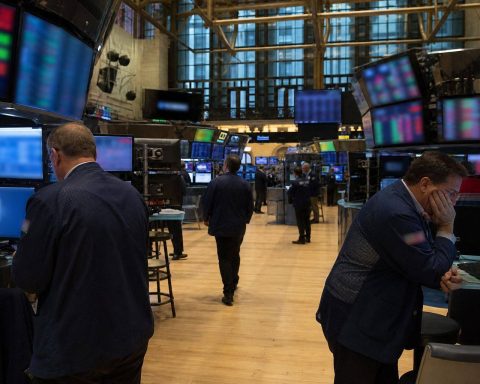
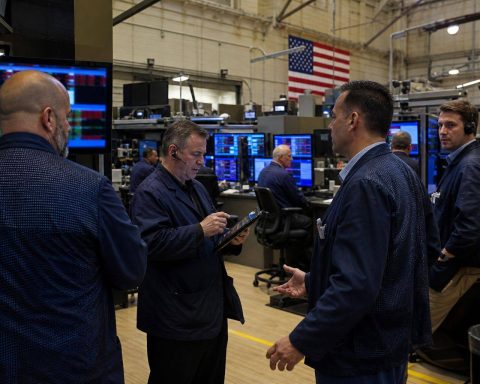
S&P 500 faces the week after tech stocks dragged markets lower, ending its nine-week winning streak. Traders are waiting on May inflation numbers and watching for SpaceX’s expected $75 billion listing to see if the AI trade still has legs. U.S. markets will reopen Monday after Friday’s selloff.
The pace counted. The market’s rally had been quick, limited, and driven by chips, software and AI names. Then a stronger-than-expected jobs number brought the chance the Federal Reserve could stick to higher rates or even hike to tamp down inflation. Still, the S&P 500 was up about 8% this year after bouncing 16% off the late-March low, according to Reuters.
Dow drops 695 points; tech leads S&P 500 lower
The Dow Jones Industrial Average lost 695.15 points to 50,866.78. The S&P 500 sank 200.57 points to 7,383.74, while the Nasdaq Composite tumbled 1,121.53 points to 25,709.43. Technology was hit hardest, down 5.8% for the day—worst among S&P 500 sectors. Consumer staples slipped less.
Labor data firmed up the bears’ case. U.S. employers added 172,000 jobs in May, topping forecasts by a wide margin. Unemployment stayed at 4.3%. As of the latest reading, markets saw a 42.7% chance the Fed hikes by December, according to CME’s FedWatch tool cited by Reuters.
Ryan Detrick, chief market strategist at Carson Group, said “the dam just broke today” after the long stretch in equities led by tech and semis. Ohsung Kwon, chief equity strategist at Wells Fargo, said this selloff had more to do with positioning than fundamentals, and said it was “not the end” for the chip bull market. Reuters
The next big data point comes Wednesday, when May’s Consumer Price Index hits. CPI tracks how much households are paying for goods and services. Producer Price Index, which looks at business price changes, comes out Thursday. Both reports arrive before the Fed’s June 16-17 meeting and its updated Summary of Economic Projections.
SpaceX is also in focus. The IPO is looking for a $1.75 trillion valuation, with pricing set for June 11 and trading to start June 12. Elon Musk’s space and satellite company has investors asking if this is a sign of “market froth,” said Jason Pride, chief of investment strategy and research at Glenmede. Reuters
Interest is strong. Bybit on Sunday said retail buyers could get tokenized shares of SpaceX at the IPO price. Reuters said the deal has pulled in about $150 billion in demand, or about double the $75 billion SpaceX aims to raise.
Tech earnings could act as a reality check for the trade. Oracle and Adobe are both set to report this week, after tech stocks’ rally pushed the group to just over 39% of the S&P 500’s market cap—a record, according to Reuters. Oracle shares have gained more than 9% this year. Adobe is off 28%.
Semiconductors got hit hard. U.S.-listed chip stocks shed roughly $1.3 trillion in market value Friday, with Nvidia, AMD and Broadcom among the biggest drags in the AI space. The PHLX semiconductor index dropped 10.3%, a one-day decline not seen since March 2020. Still, the index had climbed 73% this year.
Bears have competition. Carol Schleif, chief market strategist at BMO Private Wealth, thinks pausing here makes sense after tech’s run. Anthony Saglimbene at Ameriprise says the “secular tailwinds of AI still exist.” That’s the dip-buying camp: higher rates sting, but earnings and AI spend are still holding up. Reuters
The danger, though, is the market could end up with the wrong mix: hotter inflation, Treasury yields staying firm, weak software outlook, and a SpaceX debut that pulls money out of current winners instead of sparking enthusiasm. If CPI doesn’t ease rate concerns, Kwon said there could be “volatility into the Fed” unless the number comes in soft. Reuters
Related articles: Technology Trends