
NEW YORK, April 17, 2026, 14:24 EDT
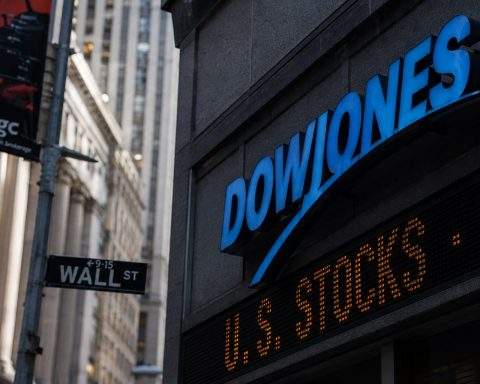
Oil tumbled Friday, with Brent at about $88.90 a barrel and U.S. crude circling $83.08, after Iran confirmed the Strait of Hormuz would stay open to commercial ships throughout the 10-day ceasefire period—tempering anxiety over prolonged supply risks. Wall Street responded: S&P 500 and Nasdaq both notched new records, and the Dow added over 2% by midday in New York.
This shift is significant: roughly 20% of global oil and LNG moves through the Strait of Hormuz, that tight corridor between Iran and Oman. Since Feb. 28, shipping there has dropped 97%, essentially grinding to a halt. Traders responded by tacking on a risk premium — factoring in serious disruption threats instead of assuming routine shipments.
Iran’s Foreign Minister Abbas Araqchi told reporters that commercial ships now had “completely open” passage during the Lebanon-related truce. President Donald Trump, on his end, floated the possibility of a broader deal to wrap up the conflict soon. Still, he made it clear the U.S. naval blockade affecting shipping to and from Iran would remain in place until a fuller agreement took shape. Reuters
James Reilly, economist at Capital Economics, described the reopening as a “critical step” on the path back to regular transit. For Michael Brown, strategist at Pepperstone, the resumption of commodity flows takes a “pretty chunky tail risk” off the table for the economic outlook. Reuters
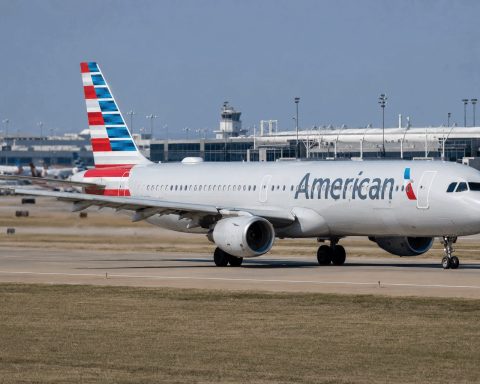
The shakeup sent Exxon Mobil and Chevron sliding—lower crude prices threatened to squeeze their margins. American Airlines, on the other hand, gained ground, thanks to the prospect of cheaper jet fuel.
Falling oil prices stirred investor optimism about a possible pullback in inflation. According to Reuters, traders are now pricing in a 44.9% probability of the Federal Reserve cutting rates by at least a quarter point in December—up sharply from 29.5% just a day ago. But Fed Governor Christopher Waller called the current situation “very complicated,” noting that while cheaper oil may help, the war has muddied the outlook. Reuters
But that surge of optimism may be getting ahead of itself. According to a senior Iranian official speaking to Reuters, ships are still required to check in with the Revolutionary Guards, and only certain channels—those Iran considers secure—are open. Military vessels? Still not allowed.
The U.S. Navy flagged uncertainty around the mine threat along segments of the route, warning mariners to weigh steering clear of the Traffic Separation Scheme—the U.N.-supported corridor that channels ship traffic through the strait. Jakob Larsen, chief safety officer at shipping group BIMCO, echoed that the situation with mines was still murky.
Shipping companies weren’t rushing in either. Hapag-Lloyd is holding back, aiming to restart “as soon as possible,” but says too many questions remain open. Maersk isn’t committing yet; the company pointed to its risk assessment as the deciding factor. According to Matt Wright, Kpler’s lead freight analyst, Iran’s proposed route could spell trouble for compliance and insurance. Reuters
Relief shot through other markets. Europe’s STOXX 600 jumped over 1.5%. The dollar slipped—its lowest level since late February. Britain’s FTSE 100 ended up 0.7%, with investors dialling down safe-haven trades.
Despite Friday’s drop, Brent still trades far north of the $70 level from before the war. Later that day, a top Iranian official cautioned that big differences with Washington persist on nuclear matters, and warned Hormuz’s status hinges on U.S. compliance with the ceasefire. The market, in other words, isn’t convinced the risk is gone.
Related articles: NYSE:CVX